QR Code for Laundromats - Services, Pickup & Reviews Online
Create QR codes for laundromats linking service pages, pickup forms, hours, maps, payment links, coupons, reviews, and support pages. Use them on machines, doors, counters, receipts, and signs.
Free QR code generator
Create a QR code online
Generate QR codes for websites, email, phone numbers, vCards, Wi-Fi, plain text, forms, PDF files, and campaign links. Customize colors, add a logo or frame, then download a print-ready PNG or SVG.
Choose QR code type
Website QR code, Email QR code, Phone QR code, vCard QR code, Wi-Fi QR code, Text QR code, SMS, WhatsApp, event, and download links.
Add your content
Enter your website URL, contact details, message, phone number, location, or file destination before generating the QR code.
Customize and download
Adjust QR colors, error correction, logo, frame, size, and margin. Generate QR Code, Download PNG, Download SVG, or Save and track scans.
Laundry service path
Make laundromat hours, pickup, support, payment, and reviews easier to reach
A QR code for laundromats is useful when customers need help while they are carrying bags, waiting between cycles, checking a machine, reading a receipt, or looking through the window after closing. It can open service pages, wash-and-fold details, pickup forms, hours, maps, payment links, coupons, review pages, and support pages. Laundromats, wash-and-fold services, laundry pickup providers, dry cleaning counters, and local laundry businesses can use QR codes across the customer visit.
The scan should answer practical questions inside the laundry flow. A machine-area sign can open support. A counter sign can explain wash-and-fold. A window decal can show hours after closing. A pickup flyer can open a scheduling form. A receipt can ask for a review or offer a discount for the next visit. Clear CTAs matter because customers may be scanning while carrying bags or waiting between cycles. QR Code Lab helps create printable codes, dynamic links, and scan analytics for those placements.
QR Code Lab creates URL QR codes only. It does not process payments, manage orders, collect forms, run bookings, provide legal or medical advice, or operate laundry software. The linked payment, pickup, support, or review platform handles the customer action.
Laundromat customer moments
Turn laundromat signs, machines, receipts, and waiting areas into useful customer actions
Local serviceA laundromat QR code works when it removes friction from the visit: show machine help, hours, pickup options, wash-and-fold pricing, payment instructions, Wi-Fi, reviews, or support exactly where the customer is waiting.
Explain machine rules without crowding the label
Place QR codes near washers and dryers to open cycle help, payment instructions, detergent notes, troubleshooting, and what to do when a machine stops mid-load.

Promote wash-and-fold while customers are waiting
Use counter signs, bag tags, and receipts to open pricing, service areas, turnaround times, pickup forms, and subscription laundry plans.

Make payment paths clear without handling card data
Route customers to the official payment provider, app download, machine balance page, or invoice link with visible confirmation text near the code.

Ask when clean laundry is in hand
Use receipts, folding tables, and pickup bags to invite reviews or private feedback after the customer has completed the visit.

Give customers a fast help path inside the store
Link to staff contact, refund requests, lost item forms, broken-machine reports, and store rules so small problems do not become public complaints.
Keep changing store details current
Use dynamic QR for holiday hours, last-wash time, pickup windows, local offers, machine outages, and service updates.
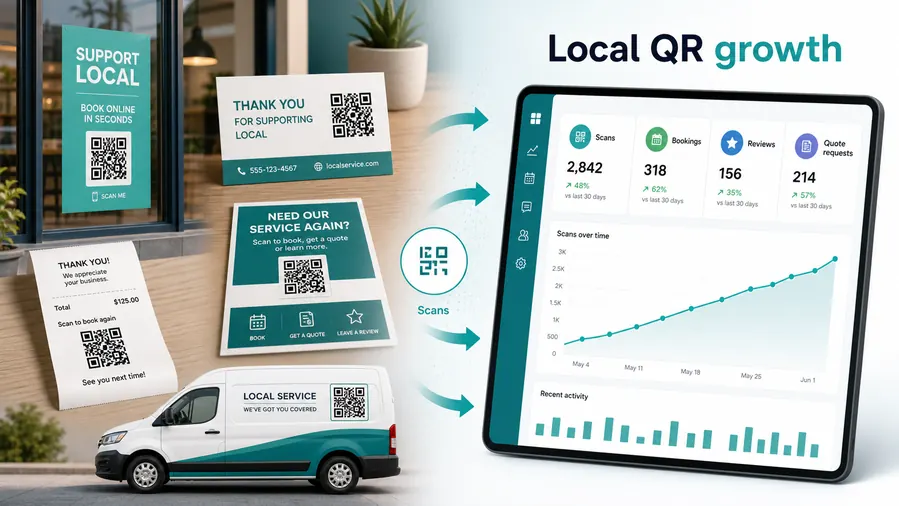
The customer is usually waiting, sorting, paying, or carrying laundry
The QR should respect that moment. It should open something useful fast: machine help, pricing, payment, pickup order, Wi-Fi, support, or a review path after the job is done.
Printed laundromat signs can work harder without being rewritten every week
Dynamic QR lets owners update hours, offers, payment instructions, pickup forms, machine notes, and service pages while the same signs stay on counters, machines, doors, and bags.
Match each laundromat code to the customer task
Laundromat placement
Place laundromat QR codes where customers pause long enough to act
PlacementThe best laundromat placements are not random stickers. Put the code beside the machine, counter, bag, receipt, window, or folding table that already explains why scanning helps.
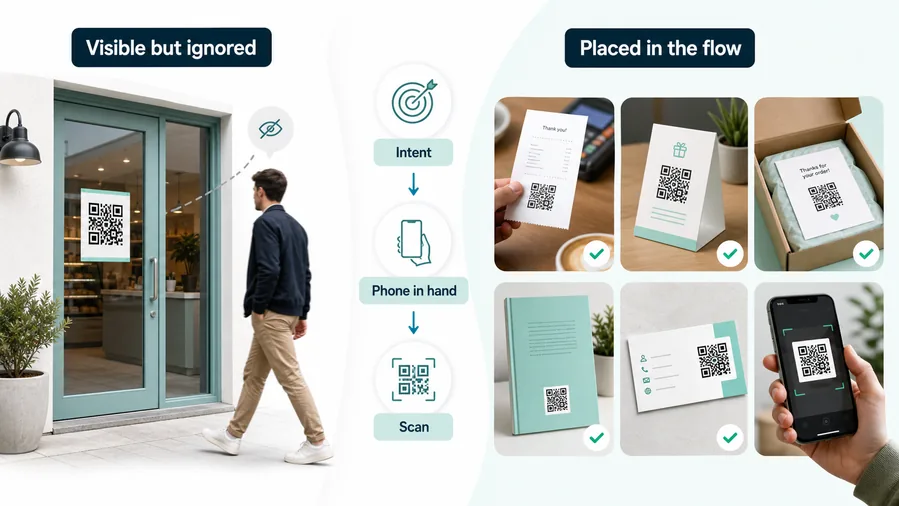
A visible sticker can still feel pointless
A QR on a wall may be easy to see, but customers may not know whether it opens payment, machine help, Wi-Fi, pricing, or a review page.
The closer the code is to the current task, the more useful it feels.
Put the code beside the laundry task it solves
Use washer labels for instructions, counter signs for wash-and-fold, receipts for reviews, and door signs for hours or service notices.
The printed CTA should say the result plainly before the scan.
What is the customer doing?
Loading a machine, paying, waiting, folding, picking up, reporting a problem, or checking hours.
What should happen next?
Open payment, read instructions, order pickup, contact support, join Wi-Fi, leave feedback, or review the visit.
Can the code handle the environment?
Use enough size, contrast, durable labels, and placement away from heat, moisture, bends, and heavy wear.
Will the destination change?
Use dynamic QR for hours, offers, pickup forms, payment instructions, staff contact, and machine notices.
Washer or dryer label
Open cycle instructions, payment steps, machine support, detergent notes, and troubleshooting.
Service counter
Promote wash-and-fold, pickup orders, subscriptions, delivery, pricing, and support contact.
Folding table
Ask for reviews, show loyalty offers, invite pickup signup, or explain care tips.
Receipt or bag tag
Route to reviews, private feedback, reorder, support, and pickup details.
Window or entrance
Show hours, last-wash time, current offers, contact, and service updates.
Machine outage sign
Open refund requests, staff contact, or alternate machine instructions.
Wi-Fi sign
Open network access, rules, and support while customers wait.
Local flyer
Point nearby apartments, students, and offices to pickup, delivery, or first-order offers.
A laundromat QR should solve the task beside it
Customers scan more willingly when the code clearly saves a step inside the visit.
After-print control
Keep laundromat signs useful when hours, payment, pickup, and offers change
DynamicLaundromat print lives on machines, windows, bags, counters, and receipts. Dynamic QR helps those materials keep working when store details move faster than printed signage.
Old signs can create customer confusion
Static QR is fine for a permanent page, but laundromats often change payment instructions, pickup forms, holiday hours, last-wash times, and service offers.
When a sign points to the wrong page, staff spend time explaining what the code should have said.
One printed code can stay connected to the current task
Dynamic QR lets you update the destination behind machine labels, counter signs, window notices, receipts, and pickup bags without reprinting every placement.
That matters most when the code supports payment, support, wash-and-fold orders, or seasonal promotions.
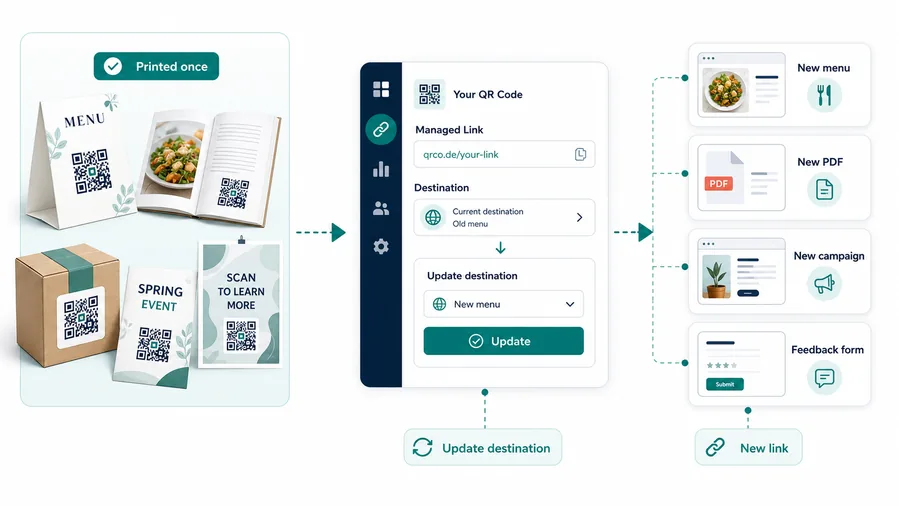
Payment updates
Change app links, provider pages, balance instructions, or invoice destinations without replacing machine signs.
Pickup and delivery forms
Keep wash-and-fold ordering, pickup windows, service areas, and pricing pages current.
Store notices
Update holiday hours, last-wash times, machine outages, staff contact, and local offers.
Receipts and bags
Point returning customers to reviews, support, reorder pages, and loyalty offers that can change later.
Use dynamic QR for laundromat materials that customers will keep seeing
If the sign, receipt, bag tag, or machine label may outlive the current page, keep the destination editable.
Laundromat scan reading
Use laundromat scan data to compare placements, not to guess every customer action
AnalyticsQR analytics can show which counter signs, machine labels, windows, flyers, receipts, or bag tags get attention. It should guide store decisions without pretending to explain every purchase or visit.
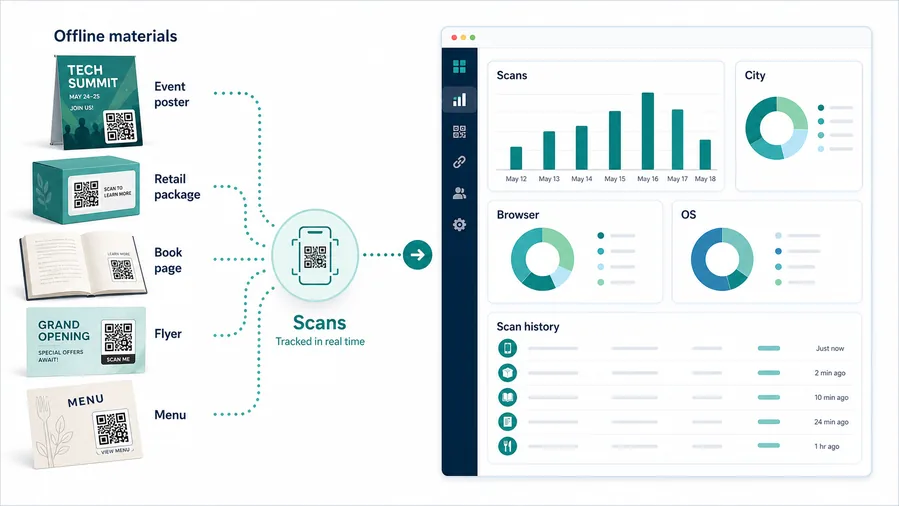
All scans collapse into one store total
A single QR can show general interest, but it cannot tell whether a washer label, pickup flyer, receipt, window sign, or bag tag caused the scan.
Use one shared code only when placement comparison does not matter.
Each laundromat placement becomes easier to read
Separate dynamic QR codes let you compare machine help, wash-and-fold promotion, payment guidance, reviews, and local flyers by placement.
The result is directional scan analytics, not full customer attribution, but it is enough to improve signage.
Scan volume
See how often each code is scanned during the selected period.
Time and device
Check when customers scan and which device or browser opens the page.
Broad location
Use approximate location signals carefully, especially when comparing multiple stores or campaigns.
Placement comparison
Compare machine labels, counter signs, windows, receipts, pickup bags, and flyers side by side.
Name each code by store and placement
Use names such as washer-help-store-2, counter-pickup, window-hours, bag-review, or receipt-support before launch.
Compare attention before reprinting signs
Let scan totals guide whether machine labels, pickup flyers, or counter cards deserve better wording or placement.
Keep expectations realistic
Scan data shows attention and timing; payment, order, and review results still need their own systems.
Books and printed content
Learn whether readers open bonus pages, downloads, updates, or feedback forms from book pages.
Laundromat analytics are most useful when codes are named before print
Good naming turns scan totals into practical store decisions instead of a pile of mystery numbers.
Machine and counter flow
Place QR codes where customers wait, need help, or decide to return
Use laundromat QR codes on machine signs, folding tables, counter cards, receipts, pickup bags, window decals, coupons, service menus, support notices, review cards, and delivery flyers. The CTA should say schedule pickup, view services, get support, see hours, pay online, claim coupon, save location, or leave review. For support and payment links, use official-looking destinations and avoid vague short links.
Dynamic QR codes help when hours, pickup forms, coupons, support pages, service menus, and payment links change. Scan analytics can show which physical locations inside the laundromat create the most customer action, helping separate machine-area support needs from counter-service interest.
Think about the customer’s hands and timing. A large machine support QR should be easy to scan while standing up. A receipt QR can be smaller because the customer has time later. Match the size and message to the moment. If a machine is out of order or confusing, the QR should open support or instructions immediately, not a general services page. Clear labels reduce repeated staff questions.
Laundromat payments
Use QR payment shortcuts for laundromats without making the code feel risky
PaymentsA laundromat payment QR should clearly say what it opens: machine app, prepaid balance, pickup invoice, wash-and-fold checkout, deposit, or trusted provider page. Customers need confidence before they scan and pay.
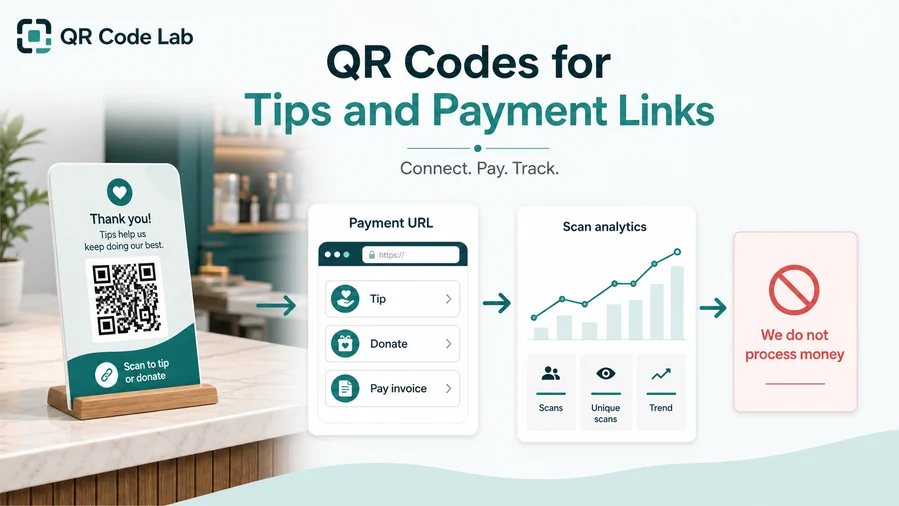
Machine payments
Point customers to the official app, balance page, or payment instructions, especially when machines use a provider instead of coins.
Pickup invoices
Use bag tags, receipts, and counter cards as shortcuts to trusted invoice or checkout pages for wash-and-fold orders.
Clear confirmation
Printed text should name the business, amount context, provider, and what happens after payment.
QR Code Lab should not collect sensitive payment details for the laundromat
Use the QR code to open a trusted payment provider, app, invoice, or checkout page. The destination should handle authentication, payment confirmation, receipts, disputes, and refunds.
Scan analytics only show QR scan activity. A scan does not mean a payment was completed.Payment QR codes need more trust than ordinary links
For laundromats, the scan should feel like a clear shortcut to the official payment path, not a mystery charge.
Laundromat trust
Make laundromat QR codes feel official before customers scan
TrustCustomers may scan a laundromat QR while holding laundry, paying for a machine, or picking up an order. The printed code should look official, name the destination, and avoid vague payment or support promises.

Unlabeled payment codes
A code near a machine or counter can look suspicious if it does not name the provider, business, or payment purpose.
Watch for similar-looking domains, long URLs, login or verify keywords, and pages asking for credentials after an unexpected scan.
Old signs
Outdated hours, broken app links, retired offers, and abandoned pickup forms damage trust quickly.
A trustworthy QR should not make the final destination mysterious, especially on posters, labels, menus, parking signs, or event materials.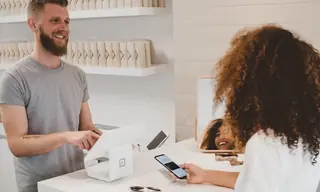
Too many stickers
Crowded machines and windows make customers unsure which code is official.
Before paying, check the domain, HTTPS, amount, recipient, and whether the destination matches the place or brand that printed the QR.Check the scan path like a customer inside the store
Scan the code from the real placement, confirm the first screen matches the printed CTA, and verify that payment, support, reviews, or pickup pages are still correct.
The current detailed report is a static URL analysis. It helps reveal the encoded content and basic URL risk signals, but it does not guarantee that a destination is safe and does not replace browser, antivirus, payment, or bank security checks.Decoded content
See the raw value inside the QR before opening it.
Content type
Recognize URL, Wi-Fi, mailto, phone, SMS, vCard, or plain text.
URL risk signals
Review HTTPS, shorteners, IP addresses, long URLs, encoded characters, query parameters, and sensitive keywords.
Destination report
For URL codes, view final URL fields, static redirect report fields, domain fields, TLS placeholders, page metadata fields, and risk reasons.
Make your own QR codes easier to trust
A safe-looking QR code is not only about security. It is also about reducing uncertainty for the scanner. Use clear destination text, a branded landing page, normal HTTPS domains, and a visible explanation of what happens after scanning.