QR Code with YouTube Logo for Videos, Channels & Playlists
Create QR codes with a YouTube logo for videos, channels, Shorts, playlists, creators, events, packaging, posters, and print campaigns. Keep the logo clear on cards, posters, packaging, and promos.
Free QR code generator
Create a QR code online
Generate QR codes for websites, email, phone numbers, vCards, Wi-Fi, plain text, forms, PDF files, and campaign links. Customize colors, add a logo or frame, then download a print-ready PNG or SVG.
Choose QR code type
Website QR code, Email QR code, Phone QR code, vCard QR code, Wi-Fi QR code, Text QR code, SMS, WhatsApp, event, and download links.
Add your content
Enter your website URL, contact details, message, phone number, location, or file destination before generating the QR code.
Customize and download
Adjust QR colors, error correction, logo, frame, size, and margin. Generate QR Code, Download PNG, Download SVG, or Save and track scans.
Design and tracking options
Video handoff
Use a YouTube logo QR code when printed materials need to open a real video, channel, Shorts, playlist, or tutorial destination
A QR code with the YouTube logo is a branded URL QR code that points to your real YouTube video, channel, Shorts URL, playlist, tutorial, product demo, course material, or campaign destination. It is not a YouTube integration and it does not upload videos, manage subscribers, control monetization, or change channel settings. The YouTube logo simply makes the scan expectation clear: the printed item continues into video.
This is useful for creators, brands, product marketers, schools, course creators, event teams, packaging teams, agencies, and support teams. A box insert can open setup instructions. A classroom handout can open a lesson playlist. A poster can open a trailer. A product label can open a demo or safety video. Event screens can open recap content. Course materials can send learners to the exact video that supports the printed page.
Choose the destination based on the job. A single video is best for instructions, demos, trailers, and explanations. A playlist works better for courses, series, onboarding, and multi-step product education. A channel URL is better for broad following. Shorts can work for quick promos, but make sure the mobile experience matches the CTA. QR Code Lab creates the QR code, branding, routing, and scan reporting; YouTube controls hosting, playback, recommendations, comments, and account behavior.
YouTube QR workflow
Use a YouTube logo QR when printed material needs to open a video, channel, playlist, or tutorial
YouTube QRA YouTube QR code is strongest when video explains what print cannot: product setup, event recap, lesson content, restaurant story, creator channel, customer proof, training, or a campaign video.
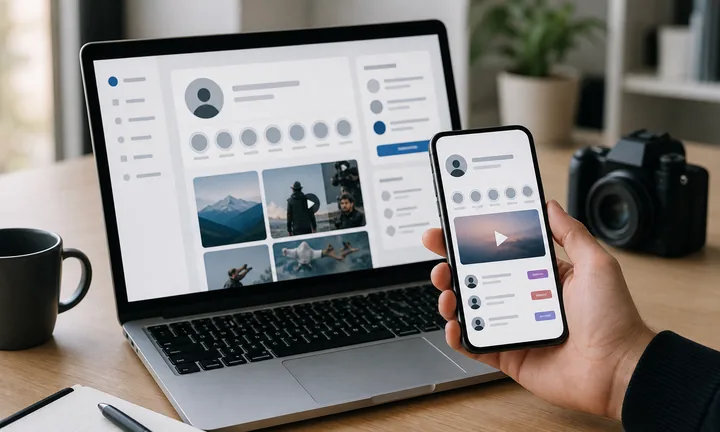
Turn printed instructions into watchable help
Packaging, manuals, flyers, event handouts, classroom sheets, product labels, and service cards can point to a video that shows the next step better than text. The QR should say whether it opens a tutorial, demo, playlist, review, lesson, or channel.
Use video when motion, voice, sequence, or proof makes the destination more useful than a static page.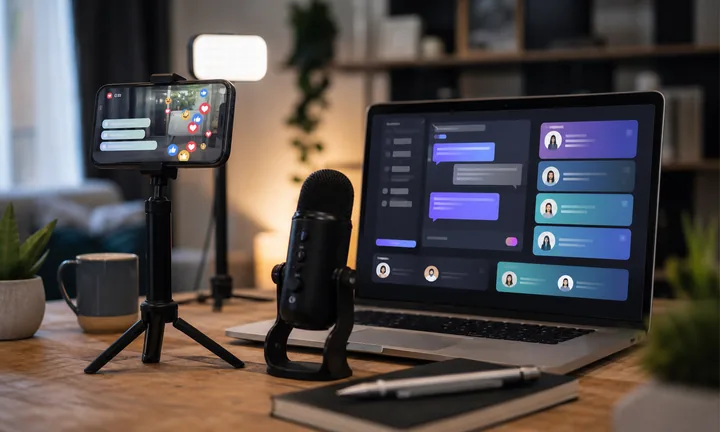
Choose video, playlist, or channel by the scanner need
A single video is best when the print promises one answer. A playlist works for a series, course, setup path, or product family. A channel QR fits broad discovery when the goal is subscription or ongoing content.
Do not send scanners to a channel if the printed material promises one specific how-to or campaign video.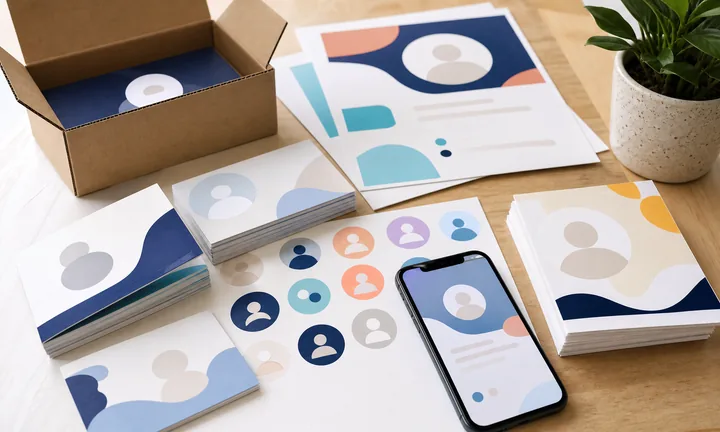
Keep long-lived print pointed to the best video
Videos can be updated, delisted, replaced, or reorganized while printed material stays in circulation. A dynamic QR lets the same YouTube-branded code move to a newer tutorial, playlist, campaign video, or landing page without reprinting.
Use dynamic QR for manuals, packaging, signs, menus, and training materials that may need updated video later.A YouTube QR should make the video payoff obvious before the scan
People scan a YouTube QR when they expect video to make the next step easier: watch the setup, see the recipe, learn the process, review the proof, follow the creator, or understand the product faster.
Match the QR destination to the exact video promise near the code.Specific video
Use for setup, tutorials, demos, recipes, event recaps, customer proof, product education, or a single campaign message.
Playlist
Use for courses, onboarding, training, product families, lesson series, event sessions, and step-by-step learning.
Channel
Use when the goal is subscription, broad creator discovery, brand content, or ongoing educational material.
Dynamic video path
Use when the printed QR may need to move to a newer video, corrected tutorial, playlist, or campaign page later.
YouTube placement
Place the YouTube QR where video answers the next question
PlacementYouTube scans work best where the printed material creates a question that video can solve: how to assemble, cook, use, learn, compare, watch, follow, or understand more deeply.
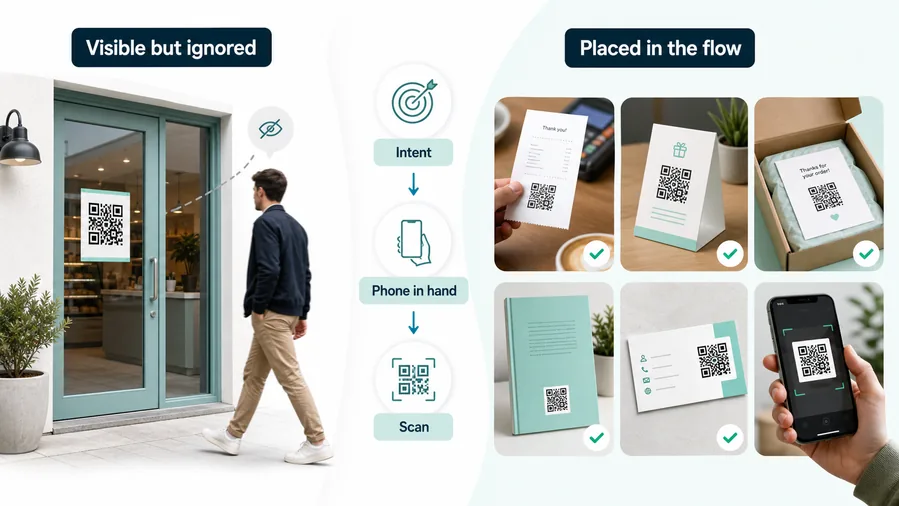
A YouTube logo does not explain what to watch
People may recognize YouTube but still skip the QR if the printed material does not say whether it opens a tutorial, channel, playlist, review, or event video.
A video QR placed away from the instruction or promise loses the question it was supposed to answer.
Put the QR beside the moment that needs video
Place it near the setup step, product claim, recipe, lesson prompt, event title, speaker bio, or campaign image that becomes clearer on video.
When the printed context defines the viewing job, the scan feels like immediate help rather than another social link.
What should the person watch?
Choose tutorial, demo, setup guide, recipe, playlist, review, event recap, channel, or customer proof.
Where does video add value?
Use the QR near a step, product, lesson, menu item, display, or event detail that benefits from motion and explanation.
Can the video be found immediately?
Send scanners to the specific video or playlist when the printed promise is specific.
Will the video change later?
Use dynamic QR when tutorials, playlists, campaigns, or product videos may be updated.
Product manual
Open setup videos, troubleshooting, safety explanations, calibration steps, and maintenance guides.
Package insert
Use for unboxing, care instructions, product education, warranty help, and customer onboarding.
Recipe card or menu
Send people to cooking videos, chef stories, preparation clips, ingredient explanations, or restaurant content.
Classroom handout
Link lessons, playlists, practice walkthroughs, lab demos, and teacher explanations.
Event poster
Open trailers, speaker videos, performer clips, session playlists, recaps, and sponsor content.
Retail display
Point shoppers to demos, comparisons, testimonials, creator reviews, and product stories.
Training sheet
Use for onboarding playlists, safety videos, process demos, and repeatable internal instructions.
Creator card
Send fans, sponsors, and collaborators to a channel, featured video, playlist, or media proof.
Use the QR where watching is more useful than reading
A YouTube QR works when it turns a printed question into the exact video answer people need.
YouTube scan experience
Make the YouTube destination deliver the video promised in print
Scan UXThe QR should open a video, playlist, or channel that clearly matches the printed CTA. A broad channel is fine for discovery, but a specific how-to or campaign needs a specific destination.
Direct action: the device handles it
Wi-Fi, vCard, phone, email, SMS, plain URLWhen the QR code contains direct data, the phone decides what to show. It may open the native Wi-Fi join prompt, contact-save screen, email client, phone dialer, SMS composer, browser, or another app chosen by the user.
There is not much QR Code Lab can improve inside that native interface. Compatibility depends on the scanner app, camera, operating system, browser, and user settings. Your responsibility is to encode clean data: correct Wi-Fi credentials, a valid email, a tidy vCard, a working URL, and a clear printed caption near the code.
Tracked QR: your destination carries the experience
Dynamic URL, tracked campaign, external page, PDF, formWhen a dynamic QR code redirects to your website, form, shop page, PDF, booking page, or campaign, QR Code Lab can manage the link, keep it editable, and record scan analytics. But the page people land on is still your experience.
That destination should be fast, mobile-friendly, and honest about the promise printed near the QR code. The main CTA should be visible without hunting, forms should be short, files should open cleanly on phones, and the content should not feel like a desktop page squeezed onto a small screen.
Microlanding: QR Code Lab shapes the experience
Hosted page, buttons, image, files, contact, feedbackA QR Code Lab microlanding page is useful when you do not have a good mobile destination or when one scan should offer several actions. Instead of sending people to a heavy page, you can present a clean mobile-first page with clear buttons, files, images, links, and contact actions.
This is where QR Code Lab can do the most for scan experience. The content is organized for phones, buttons are easy to tap, PDF or ZIP downloads can be presented clearly, and the page can be updated after printing. It works well for books, packaging, menus, events, instructions, bonus materials, and feedback flows.
Does the QR open the intended video or playlist?
Test the destination on mobile and confirm it matches the printed CTA.
Is the video payoff visible immediately?
Check title, thumbnail, intro, captions, and mobile loading behavior before printing.
Can the destination change after publication?
Use dynamic QR when a tutorial, campaign, event recap, or training video may be replaced.
The scan should take people straight to the answer
A YouTube QR earns its place when the printed material creates a question and the video resolves it quickly.
Instruction and campaign flow
Place YouTube QR codes where video removes confusion, shows the product in motion, or extends a printed lesson
Useful placements include packaging, manuals, product labels, classroom worksheets, textbooks, event screens, posters, flyers, course handouts, retail displays, warranty cards, recipe cards, and support inserts. Strong CTAs include watch setup video, see the tutorial, open the playlist, watch the trailer, view product demo, continue the lesson, or scan for instructions. The phrase should tell the scanner why video is worth opening right now.
Dynamic QR codes are helpful because video libraries change. A printed manual can keep the same QR code while the destination changes from an old tutorial to a new version. A campaign poster can move from teaser to launch video to recap playlist. Packaging can point to different regional instructions or updated safety content without reprinting the code. That flexibility is often more valuable than the QR design itself.
Scan analytics help separate YouTube engagement from print effectiveness. YouTube may show video views, but QR Code Lab can show which printed placements caused people to open the destination: a package insert, manual, poster, event sign, or classroom sheet. Use both views together. Keep the YouTube logo scan-safe, avoid low contrast, preserve quiet zone, and test the final printed size with real phones before publishing.