QR Code for Contractors - Quote Forms, Projects & Reviews
Create QR codes for contractors linking quote forms, project galleries, reviews, service pages, estimates, payment links, and contact pages. Use them on yard signs, vehicles, cards, and flyers.
Free QR code generator
Create a QR code online
Generate QR codes for websites, email, phone numbers, vCards, Wi-Fi, plain text, forms, PDF files, and campaign links. Customize colors, add a logo or frame, then download a print-ready PNG or SVG.
Choose QR code type
Website QR code, Email QR code, Phone QR code, vCard QR code, Wi-Fi QR code, Text QR code, SMS, WhatsApp, event, and download links.
Add your content
Enter your website URL, contact details, message, phone number, location, or file destination before generating the QR code.
Customize and download
Adjust QR colors, error correction, logo, frame, size, and margin. Generate QR Code, Download PNG, Download SVG, or Save and track scans.
Quote request path
Turn job-site visibility into quote requests, galleries, and reviews
A QR code for contractors is useful when local visibility should become a quote request or proof of work. It can open quote forms, project galleries, review pages, service pages, estimate pages, payment links, contact pages, before-and-after portfolios, referral pages, and warranty information. General contractors, remodelers, builders, home service teams, renovation companies, and local trade businesses can use QR codes on yard signs, vehicles, estimates, invoices, and door hangers.
The scan should match the physical context. A yard sign can open a gallery. A door hanger can open a quote form. A truck decal can open services and contact. An invoice can open payment, warranty, or review. QR Code Lab helps make those links printable, updateable, and measurable so contractors can see which neighborhoods and materials bring attention.
QR Code Lab creates URL QR codes only. It does not process payments, manage bookings, collect forms, run CRM systems, or operate contractor software. The linked quote, gallery, payment, review, or CRM destination handles the real workflow and customer records.
Project lead path
Help contractor prospects move from a sign, card, or invoice to the right project action
Project flowA contractor QR code should make job-site and local materials useful: request a quote, view project proof, open service areas, approve an estimate, pay through a provider, leave a review, or contact the crew.
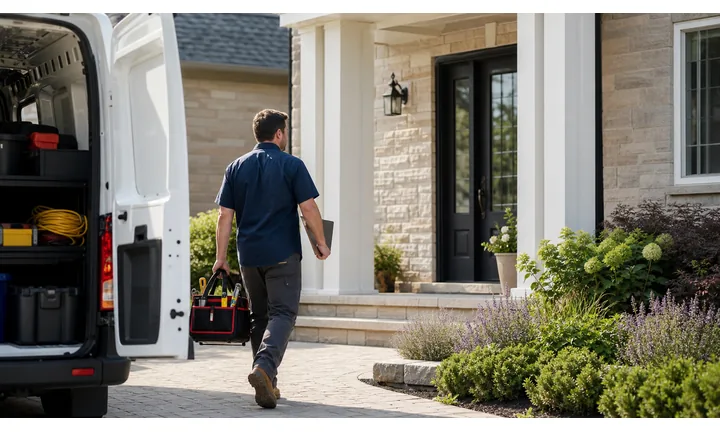
Turn local visibility into quote requests
Use QR codes on yard signs, trucks, door hangers, business cards, invoices, and project brochures to open quote forms, project galleries, service pages, and booking paths.
The scan should help a homeowner act while the project need is visible.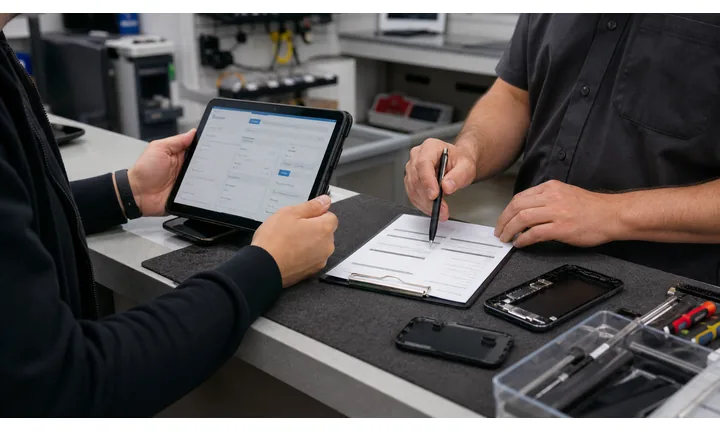
Show proof before asking for the lead
A contractor QR destination can show before-and-after work, licenses, reviews, insurance notes, service areas, materials, and financing or estimate steps before the prospect submits details.
Home service buyers often need trust signals before a quote request.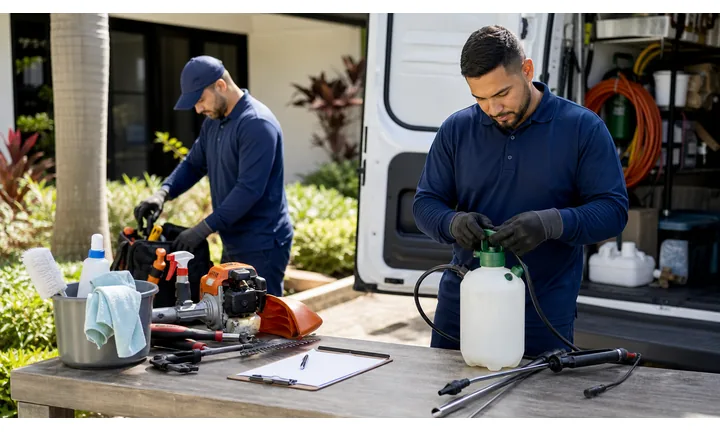
Keep print useful as offers and forms change
Dynamic QR helps when seasonal offers, estimate forms, booking pages, payment providers, galleries, and service areas change after printed materials are already out.
Yard signs and truck decals should not become stale because a URL moved.A contractor QR should connect the job-site moment to the next project step
The scanner may be a neighbor seeing work in progress, a customer reviewing an invoice, or a homeowner comparing providers. The destination should match that intent and show a clear path forward.
Use CTAs like request estimate, view project gallery, approve quote, pay invoice, leave review, or contact foreman.Lead generation
Open quote forms, project galleries, service areas, financing notes, and scheduling.
Project communication
Route clients to approvals, documents, warranty notes, contact paths, and updates.
After-service
Use invoices and thank-you cards for payment, reviews, referrals, and maintenance tips.
Local campaigns
Keep signs, vehicles, flyers, and door hangers tied to editable campaign pages.
Home-service moments
Turn contractor materials into quotes, proof, reviews, and repeat work
Local growthContractor QR codes earn scans from yard signs, trucks, invoices, estimates, door hangers, project cards, and referrals. Each code should open the next action that fits the job stage.
Make estimate requests easier
Open a form for project type, address, photos, urgency, budget range, preferred timing, and contact details.
Show nearby work and credentials
Link prospects to galleries, reviews, licenses, insurance notes, service areas, and project examples before asking for a call.

Route the right job to the right calendar
Use QR destinations for inspections, consultations, emergency calls, maintenance visits, or follow-up appointments.

Open invoice and deposit links carefully
Use QR as a shortcut to a trusted payment provider while confirmation stays in the billing system.

Ask after the project is complete
Use invoices, thank-you cards, and warranty packets to request reviews, testimonials, or private feedback.

Make neighbors and past clients easy to convert
Use yard signs, referral cards, and leave-behinds to open a local offer, proof page, and quote request.
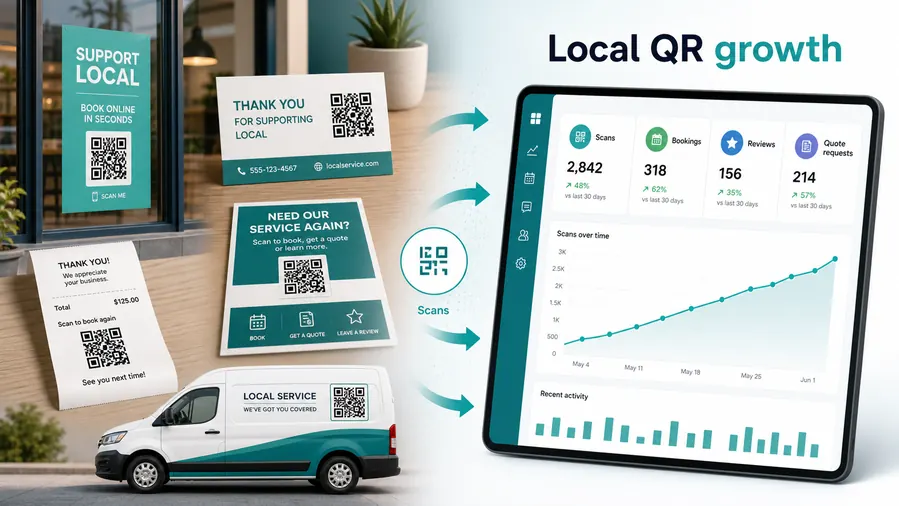
Contractor scans start with visible need or visible proof
The prospect may see a job site, receive an estimate, review an invoice, or talk to a neighbor. The QR should make the project next step clear and credible.
Printed contractor placements become easier to compare
Separate dynamic QR codes help compare yard signs, truck decals, flyers, invoices, door hangers, and referral cards by neighborhood, service, and campaign.
Place the code where project intent is strongest
Job-site placement
Place contractor QR codes where homeowners can connect the code to the project
PlacementThe best contractor QR placement sits near visible proof, paperwork, or a clear service promise, so the scanner knows whether they are requesting a quote, viewing work, paying, or leaving feedback.
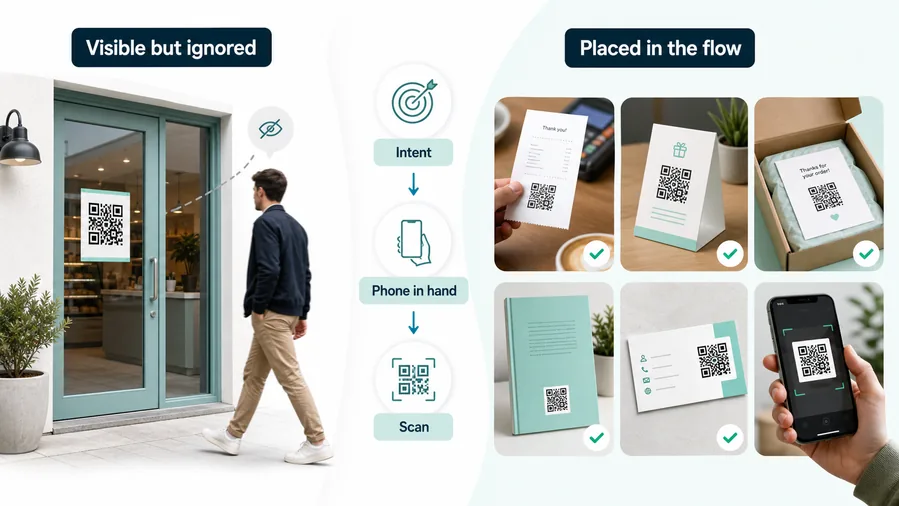
A code appears without project context
A QR on a truck or sign can be visible but vague if the CTA does not say what happens after the scan.
Homeowners are more likely to act when the QR connects to a specific service, location, or proof point.
The QR matches the job stage
Use different destinations for quote requests, project galleries, payment links, approvals, reviews, and warranty notes.
The printed copy should make the scan feel like a natural next step.
What just happened?
A neighbor saw a project, a customer received an estimate, a job finished, or an invoice arrived.
What should happen next?
Request estimate, view proof, approve work, pay invoice, leave review, refer neighbor, or contact support.
Is the scan safe at the placement?
Yard signs and vehicles need large codes, short CTAs, and enough distance for scanning.
Will the destination change?
Use dynamic QR for offers, galleries, forms, service areas, and payment provider links.
Yard sign
Open local project proof, service area, quote request, and review highlights.
Truck decal
Route to emergency contact, booking, services, and location pages.
Door hanger
Send neighbors to a relevant offer, project gallery, and estimate form.
Estimate packet
Link to scope notes, approval forms, financing, calendar, and contact details.
Invoice
Open trusted payment, warranty information, review request, and support path.
Warranty card
Provide care instructions, documents, support contact, and maintenance reminders.
Project brochure
Show materials, before-and-after examples, process, reviews, and quote path.
Referral card
Help past clients share a focused page with proof and a clear next step.
Contractor QR placement should make the project action obvious
Use the QR where the homeowner already understands the service and can take the next step.
After-print control
Keep contractor QR destinations current as offers, forms, and project pages change
DynamicContractor materials can stay in yards, trucks, folders, invoices, and homes for months. Dynamic QR keeps those materials useful when forms, offers, galleries, and payment pages change.
Printed contractor materials can point to stale pages
Static QR is fine for permanent destinations, but service offers, quote forms, calendars, galleries, and payment links often change.
Old door hangers, signs, and invoices can keep circulating after the original page is outdated.
The same printed code can open the current project path
Dynamic QR lets the contractor update quote forms, seasonal offers, project galleries, payment links, and service-area pages behind the printed code.
That protects print materials and keeps local campaigns flexible.
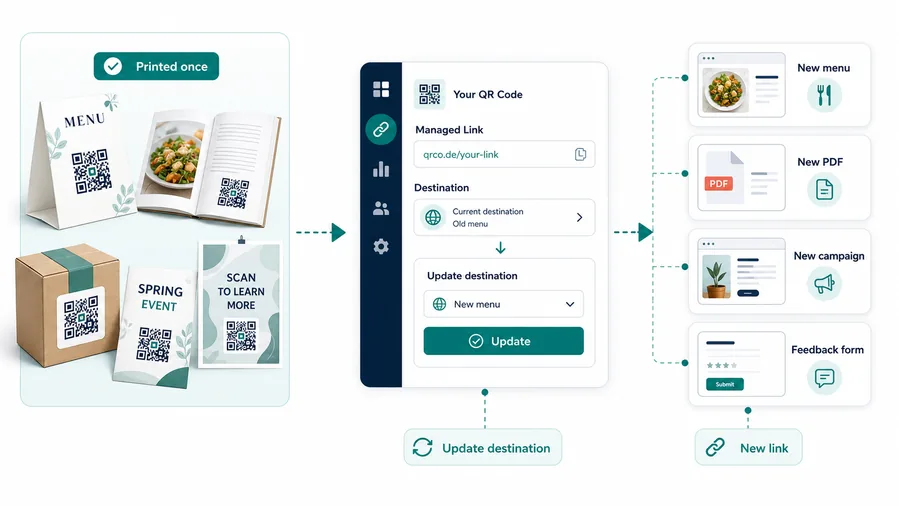
Seasonal campaigns
Update roofing, HVAC, remodeling, landscaping, or maintenance offers after flyers and signs are printed.
Quote forms
Change estimate questions, calendars, service areas, and photo-upload forms without replacing materials.
Project galleries
Route old signs and brochures to current before-and-after examples and reviews.
Invoice and warranty paths
Update payment providers, warranty notes, support pages, and care instructions behind the same code.
Use dynamic QR when contractor print stays in the field
If a code lives on a sign, truck, invoice, or folder, editable destinations are usually safer than a fixed URL.
Job-site proof
Use QR codes where prospects can see the work or keep the contact
Use contractor QR codes on yard signs, truck decals, door hangers, estimates, invoices, project signs, business cards, direct mail, review request cards, neighborhood flyers, and material packets. The CTA should say request quote, view projects, see services, pay invoice, leave review, get warranty details, or contact the crew. A prospect should know whether they are opening proof, pricing, or a form.
Dynamic QR codes help when service pages, galleries, offers, quote forms, and review links change. Separate codes for yard signs, vehicles, invoices, and mailers can show which placements generate leads. QR Code Lab scan analytics can compare neighborhoods and print pieces, while quotes, payments, and customer conversations stay in your CRM or booking system. For job-site signs, test scan distance and keep the code high contrast so it works from a sidewalk or parked car.
Project galleries are especially strong for contractors. If someone scans near a finished job, show similar work, local proof, rough service area, services offered, and a clear quote request button.
Payment boundary
Use contractor QR codes for invoice and deposit links, not payment proof
PaymentsQR Code Lab can open a trusted invoice, deposit, estimate approval, or checkout page. The payment provider or billing system handles processing, receipts, refunds, disputes, and paid-status confirmation.
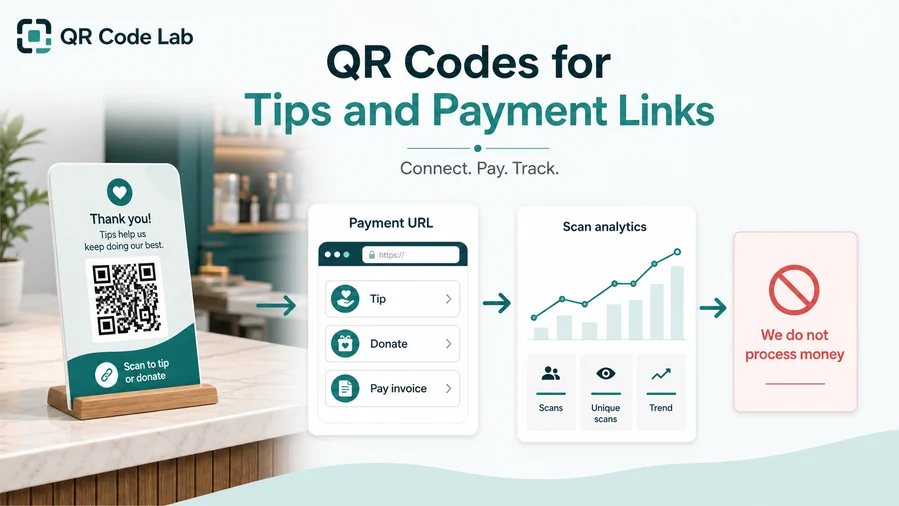
Open invoices without typing
Put QR codes on invoices, estimate packets, and project folders so customers can reach the correct payment page quickly.
Support deposits and approvals
If the project requires deposits, change-order approval, or staged payments, the QR should clearly name the purpose and open the trusted provider.
Keep billing destinations editable
Dynamic QR helps when payment providers, invoice pages, financing links, or branch billing instructions change.
A scan does not prove the customer paid
Scan analytics can show that someone opened a payment link, but only the payment provider, POS, or accounting system can confirm completed payment.
Use the billing workflow as the source of truth for balances, receipts, refunds, and disputes.Keep contractor payment QR codes clear and limited
Use QR to reduce routing friction, while payment records stay with the proper provider.
Project trust
Make contractor QR destinations trustworthy before homeowners send details or payments
TrustContractor QR codes can lead to quote forms, payment pages, approvals, and project documents, so the printed context and first screen should make the action expected.

Unknown quote forms
Homeowners may hesitate if a QR opens a form asking for address, photos, budget, or contact details without clear company identity.
Use recognizable domains and explain why each field is needed.
Payment link confusion
Invoice and deposit QR codes should identify the contractor, provider, amount or purpose, and project context before payment.
Payment confirmation belongs in the billing provider, not scan analytics.
Public sign replacement
Yard signs, vehicles, and flyers can become confusing if outdated or replaced QR codes remain visible.
Check public placements and remove old campaign materials.Inspect contractor QR destinations before publishing
Before printing, confirm the encoded destination, visible business name, CTA match, and whether the QR opens a form, gallery, approval, payment, or support path.
A QR checker helps reveal the destination, but it does not replace payment, privacy, or field-operations review.Decoded destination
Confirm the QR opens the intended quote, gallery, payment, approval, or support page.
Business identity
The first screen should match the contractor or branch homeowners expect.
Purpose match
The destination should match the printed CTA and job stage.
Public placement review
Check signs, trucks, flyers, and door hangers for outdated or replaced codes.
Publish contractor QR codes homeowners can understand
Clear CTAs, trusted destinations, and routine print checks make QR codes more useful for quotes, payments, reviews, and project communication.