QR Code with X Logo for Profiles, Posts & Brand Links
Create QR codes with an X logo for profiles, posts, communities, creator pages, brand campaigns, events, print promos, and packaging. Keep the logo clear on cards, posters, packaging, and promos.
Free QR code generator
Create a QR code online
Generate QR codes for websites, email, phone numbers, vCards, Wi-Fi, plain text, forms, PDF files, and campaign links. Customize colors, add a logo or frame, then download a print-ready PNG or SVG.
Choose QR code type
Website QR code, Email QR code, Phone QR code, vCard QR code, Wi-Fi QR code, Text QR code, SMS, WhatsApp, event, and download links.
Add your content
Enter your website URL, contact details, message, phone number, location, or file destination before generating the QR code.
Customize and download
Adjust QR colors, error correction, logo, frame, size, and margin. Generate QR Code, Download PNG, Download SVG, or Save and track scans.
Offline to social signal
Use an X logo QR code when printed attention should open a real profile, post, thread, community, or campaign URL
A QR code with the X logo is a branded URL QR code that points to your real X profile, post, thread, community, Space, or campaign destination. People may still search for Twitter QR code, so the legacy wording can be useful in search context, but the practical setup is the same: you are creating a normal URL QR code with social branding. It is not an X API integration and it does not post, follow, authenticate, or manage account activity.
This is useful for creators, journalists, brands, startups, event teams, communities, agencies, public speakers, and marketers. A conference slide can open a speaker profile. A poster can open a launch post. Packaging can open product updates. A press card can open a thread. A booth sign can open a community or event conversation. The logo helps scanners understand that the code continues the printed message into a public social channel.
The destination should match the promise beside the code. Use a profile when the goal is broad following. Use a post or thread when the printed asset refers to a specific announcement, story, campaign, or discussion. Use a community or Space link when the action is participation. QR Code Lab manages QR creation, design, dynamic redirects, and scan analytics; X controls profiles, posts, visibility, login, and social interaction.
X QR workflow
Use an X logo QR when offline attention should become a profile visit, post view, or public conversation
X QRAn X QR code fits printed moments where people need a fast path to a profile, post, announcement, event thread, founder update, support note, or campaign conversation without searching by handle.
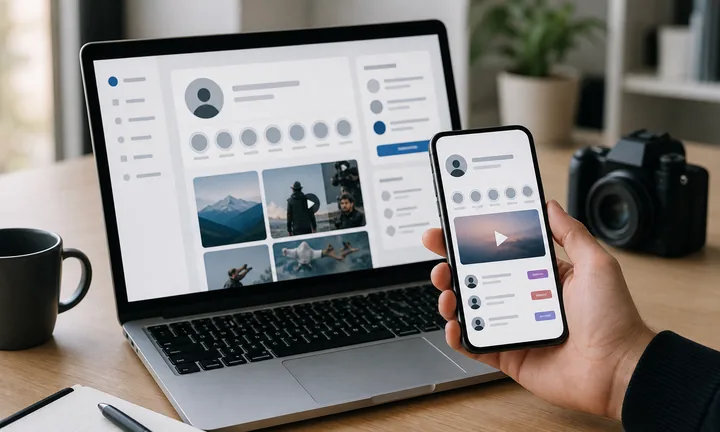
Move people from print into the current public update
Use an X logo QR on event handouts, press cards, product inserts, booth signage, conference slides, launch flyers, or creator material when the next step is reading a post, following an account, or watching a public conversation unfold.
The printed CTA should say what opens: follow us, read the announcement, see live updates, join the conversation, or message the account.
Choose profile, post, or thread by intent
A profile QR is useful for broad follow-up and credibility. A specific post or thread is stronger when the printed asset references one launch, statement, event update, support notice, product change, or public discussion.
Do not make scanners hunt through a feed for the message promised in print.
Keep fast-moving public links current
X posts can age quickly while printed cards, signs, and handouts remain visible. A dynamic QR lets the same printed X-branded code move to a newer post, profile, recap, landing page, or support update after the first link stops being the best answer.
Use dynamic QR for events, launches, press material, and public notices that may need updates.An X QR should point to the exact public context people need
The value is clarity and speed. Someone sees a printed claim, announcement, event detail, creator handle, or support note and can open the relevant X destination without typing, searching, or guessing.
Match the QR to the public action promised near the code.Profile follow
Use for creators, founders, brands, venues, speakers, and organizations where ongoing updates matter.
Specific post
Use when the print references one announcement, launch, policy note, promotion, event update, or public statement.
Thread or live updates
Use for events, conferences, product launches, breaking updates, and conversations that evolve over time.
Dynamic public path
Use when the printed QR may need to move from one post to a recap, profile, landing page, or newer update later.
X placement
Place the X QR where the public update or conversation is the next step
PlacementX scans work best near announcements, event details, speaker names, product notes, campaign claims, press material, or creator prompts that people may want to follow in real time.
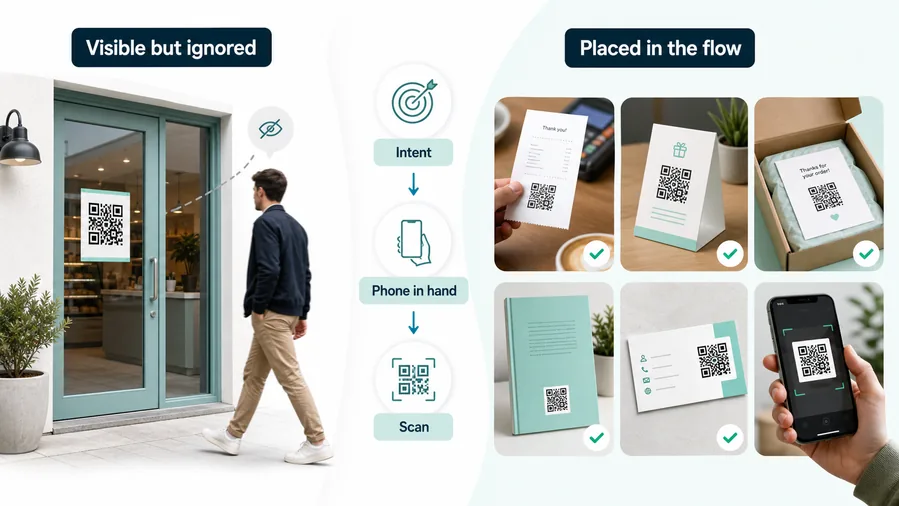
A platform logo does not explain the public action
People may know X but still skip the QR if the print does not say whether it opens a profile, post, thread, support update, or event conversation.
A generic footer icon loses the urgency that makes a public social destination useful.
Put the QR beside the update people want to follow
Place it near the announcement, event schedule, creator handle, launch claim, support note, or conversation prompt that gives the scan purpose.
When the printed context names the public action, the scan becomes a direct route to the current conversation.
What public action should happen?
Choose follow, read post, open thread, see live updates, message, share, or check an announcement.
What did the person just read?
Use the QR near the claim, update, event topic, product note, or creator prompt that created interest.
Will the destination age quickly?
Use dynamic QR when a printed X code may need to point to a newer post, recap, or support update later.
Can the scan happen comfortably?
Make poster and slide QR codes large enough, and use short CTA copy when people scan from a distance.
Conference slide
Use for speaker profiles, live discussion, announcement posts, and follow-up threads after a talk.
Press card
Point journalists to public statements, founder accounts, launch posts, media updates, or official channels.
Event handout
Open live updates, schedule changes, post-event recaps, community discussion, or speaker threads.
Product insert
Send customers to release notes, launch posts, status updates, or public support notices.
Poster or flyer
Use when the print promotes a campaign, hashtag, announcement, public conversation, or creator account.
Business card
Give prospects a fast way to follow a founder, creator, consultant, journalist, or public brand voice.
Booth sign
Point visitors to product updates, event posts, sponsor announcements, or a public conversation thread.
Community material
Use for clubs, local groups, advocacy, creators, and organizations that publish quick public updates.
Use the QR where the public context is already visible
An X QR works when it saves people from searching and takes them to the exact update or conversation the print introduced.
X scan experience
Make the X destination match the printed public promise
Scan UXThe QR should open a profile, post, thread, message path, or update destination that clearly matches the printed copy. If the destination is too broad, the scan feels like extra work.
Direct action: the device handles it
Wi-Fi, vCard, phone, email, SMS, plain URLWhen the QR code contains direct data, the phone decides what to show. It may open the native Wi-Fi join prompt, contact-save screen, email client, phone dialer, SMS composer, browser, or another app chosen by the user.
There is not much QR Code Lab can improve inside that native interface. Compatibility depends on the scanner app, camera, operating system, browser, and user settings. Your responsibility is to encode clean data: correct Wi-Fi credentials, a valid email, a tidy vCard, a working URL, and a clear printed caption near the code.
Tracked QR: your destination carries the experience
Dynamic URL, tracked campaign, external page, PDF, formWhen a dynamic QR code redirects to your website, form, shop page, PDF, booking page, or campaign, QR Code Lab can manage the link, keep it editable, and record scan analytics. But the page people land on is still your experience.
That destination should be fast, mobile-friendly, and honest about the promise printed near the QR code. The main CTA should be visible without hunting, forms should be short, files should open cleanly on phones, and the content should not feel like a desktop page squeezed onto a small screen.
Microlanding: QR Code Lab shapes the experience
Hosted page, buttons, image, files, contact, feedbackA QR Code Lab microlanding page is useful when you do not have a good mobile destination or when one scan should offer several actions. Instead of sending people to a heavy page, you can present a clean mobile-first page with clear buttons, files, images, links, and contact actions.
This is where QR Code Lab can do the most for scan experience. The content is organized for phones, buttons are easy to tap, PDF or ZIP downloads can be presented clearly, and the page can be updated after printing. It works well for books, packaging, menus, events, instructions, bonus materials, and feedback flows.
Does the QR open the intended X surface?
Test the profile, post, thread, or message path on mobile before sharing the printed asset.
Is the social action clear?
Make it obvious whether people should follow, read, reply, share, message, or watch for updates.
Can the link move later?
Use dynamic QR when the printed material may need a newer post, recap, landing page, or support path.
The scan should continue the public conversation without friction
An X QR earns its place when the printed prompt and social destination point to the same live context.
Public conversation flow
Place X QR codes where the reader is ready to follow updates, verify a public claim, or join a time-sensitive conversation
Good placements include event signage, press materials, conference slides, founder cards, posters, launch flyers, product packaging, retail displays, community handouts, booth graphics, podcast cards, and media kits. Strong CTAs include follow updates on X, open the launch thread, join the conversation, see live event posts, read the announcement, or follow the speaker. Be precise because profile, post, thread, and community links create different expectations.
Dynamic QR codes help when social campaigns move quickly. A printed launch poster can point to one post this week and a recap thread next week. A conference sign can point to a live update during the event and a replay or summary afterward. A package insert can route to a support thread, then to a broader profile once the campaign ends. The physical code stays stable while the destination remains editable.
Scan tracking turns offline-to-social promotion into something you can evaluate. QR Code Lab can show whether posters, booth signs, packaging, or handouts created scan activity and when those scans happened. That data does not replace X analytics, but it answers the print question: which physical touchpoints caused people to open the social destination in the first place. Keep the logo placement scan-safe so branding does not weaken readability.