QR Code with Telegram Logo for Channels, Groups & Bot Links
Create QR codes with a Telegram logo for channels, groups, bots, chats, support links, communities, events, courses, and content distribution. Ready for print and digital use.
Free QR code generator
Create a QR code online
Generate QR codes for websites, email, phone numbers, vCards, Wi-Fi, plain text, forms, PDF files, and campaign links. Customize colors, add a logo or frame, then download a print-ready PNG or SVG.
Choose QR code type
Website QR code, Email QR code, Phone QR code, vCard QR code, Wi-Fi QR code, Text QR code, SMS, WhatsApp, event, and download links.
Add your content
Enter your website URL, contact details, message, phone number, location, or file destination before generating the QR code.
Customize and download
Adjust QR colors, error correction, logo, frame, size, and margin. Generate QR Code, Download PNG, Download SVG, or Save and track scans.
Design and tracking options
Telegram community path
Use a Telegram logo QR code when print should open a real channel, group, bot, or chat
A QR code with the Telegram logo is a branded URL QR code that points to your real Telegram channel, group, bot, chat link, support link, or community page. It is not a Telegram bot integration and does not create or manage Telegram automation. The Telegram mark simply helps people recognize the destination before scanning.
This is useful for community managers, course creators, SaaS support teams, crypto and Web3 communities, publishers, event organizers, and creators. An onboarding card can open a support chat. A course flyer can open a cohort group. A publisher insert can open a channel. Event signage can open a Telegram community for attendees. A product card can open bot-based support if that bot already exists in Telegram.
QR Code Lab creates URL QR codes and branded QR designs. Telegram controls channels, groups, bots, chats, invites, permissions, moderation, and account behavior. QR Code Lab does not host Telegram conversations, approve members, send messages, or run bot logic.
Choose the Telegram destination by the action you want. A channel is for updates, a group is for discussion, a bot is for guided action, and a chat link is for direct support.
Telegram logo QR moments
Use a Telegram logo QR code when the scan should open a channel, group, bot, or direct chat
Telegram QRA Telegram logo QR should make the destination clear before people enter a chat environment: channel updates, community groups, support bots, private contact, product alerts, event coordination, or subscriber broadcasts.
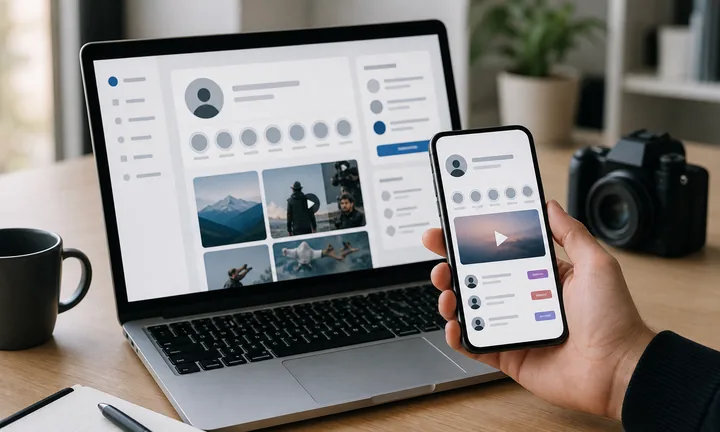
Send scanners to the right Telegram entry point
Use the Telegram logo when the printed code should clearly open a channel, group, bot, username, support chat, announcement feed, or community onboarding page.
Telegram has several destination types; the CTA should name the one you mean.
Set expectations before people join or message
A channel, group, bot, and direct chat create different expectations. Public print should explain whether scanners will subscribe to updates, join discussion, contact support, receive alerts, or start an automated flow.
Clear expectations reduce accidental joins and low-quality contacts.
Keep Telegram links controlled after distribution
Dynamic QR helps when invite links, bot flows, channel priorities, event groups, regional support chats, or campaign destinations change after signs, stickers, flyers, packaging, or documents are printed.
Messaging links are operational, not just social.A Telegram logo QR should make the communication path explicit
The scanner should know whether they are about to subscribe, join a group, message a person, start a bot, or open a support route. The QR should reduce typing without creating surprise.
Use separate dynamic codes for channels, groups, support paths, regions, events, and campaigns when destination control or reporting matters.Channel subscription
Open a broadcast channel for updates, launches, news, alerts, product drops, or community announcements.
Group join
Route people to a discussion group with clear topic, rules, language, and moderation expectations.
Bot or support flow
Start a bot, support chat, order flow, lead capture path, or customer-service conversation.
Link control
Use dynamic QR when invites, usernames, bots, regional chats, or campaign paths may change.
Telegram placement
Place Telegram QR codes where people are ready to subscribe, join, or message
PlacementTelegram QR placement should match the communication promise: channel updates, group discussion, support chat, bot flow, event coordination, or private contact.
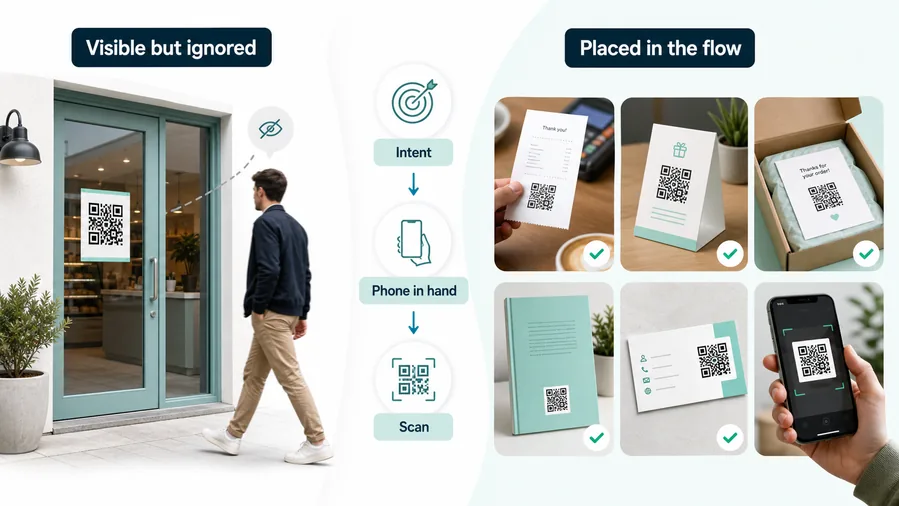
A Telegram logo alone does not explain the chat boundary
Scanners need to know whether they are joining a public group, subscribing to a channel, messaging support, or starting a bot.
The surrounding copy should explain the value before asking for the scan.
Put the code where the communication need is clear
Use Telegram QR after the person has a reason to receive updates, ask for help, coordinate an event, follow alerts, or enter a community.
The best placement continues a moment that already has interest, not a random logo sitting in empty space.
What type of Telegram destination is it?
Channel, group, bot, direct chat, support path, event group, regional community, or announcement feed.
What expectation should be set?
Subscribe for updates, join discussion, contact support, start bot, receive alerts, or coordinate with a team.
Is privacy or moderation important?
For groups and support chats, explain rules, language, scope, response time, and boundaries before the scan.
Will the link change?
Use dynamic QR for expiring invites, changed usernames, regional support paths, bots, and campaign pages.
Community flyer
Open a group or channel with topic, language, rules, and reason to join clear in the printed copy.
Product insert
Route buyers to support chat, update channel, setup bot, warranty path, or customer community.
Event sign
Invite attendees into event coordination, updates, speaker resources, group chat, or post-event follow-up.
Support card
Start a Telegram chat or bot flow for help, order updates, service requests, or troubleshooting.
Retail counter
Use for deal alerts, loyalty updates, booking, local announcements, or direct customer contact.
Poster or sticker
Use a CTA that names the channel, group, bot, or chat action instead of only showing the Telegram mark.
Course handout
Open class discussion, assignment alerts, resource channel, or instructor support path.
Operations material
Route teams to internal updates, checklists, shift groups, or field support channels.
Telegram QR placement should make the communication path explicit
Use the code where joining, subscribing, messaging, or starting a bot is the natural next action.
Telegram scan UX
Make the Telegram scan clear about channel, group, bot, or chat
Scan UXTelegram scans can start very different experiences. The destination should tell people whether they are subscribing, joining, messaging, starting a bot, or opening support.
Use direct links when the communication action is obvious
Channel, group, bot, username, support chatA direct Telegram link works when every scanner should open one specific channel, group, bot, or chat and the printed CTA names it clearly.
Check invite validity, public/private access, language, moderation rules, and mobile app handoff before distribution.
Use a landing page when expectations need explanation
Rules, language, support scope, bot stepsA short page can explain what the channel or group is for, who should join, what the bot does, and what support response to expect.
This is stronger for public print, product support, events, communities, and cross-region audiences.
Use dynamic routing when Telegram links may change
Invite, bot, region, support, fallbackTelegram invite links, usernames, bots, support paths, and regional groups may change after printed QR codes are distributed.
Dynamic QR keeps the printed code usable and helps compare scans by placement or campaign.
Does the CTA name the Telegram destination type?
Say join the group, subscribe to updates, start the bot, message support, or open the channel.
Are access and rules clear?
Check public/private status, moderation expectations, language, response time, and whether the link works for new users.
Will the link need changing?
Use dynamic QR for expiring invites, changed bots, regional support paths, campaign groups, and fallback destinations.
The Telegram scan should reduce typing without creating surprise
Use the path that makes the communication boundary clear before someone joins or messages.
Channel and support flow
Place Telegram QR codes where people are ready to join, ask, or keep getting updates
Useful placements include onboarding cards, event signage, flyers, course handouts, product inserts, booth signs, book pages, community posters, support cards, launch materials, classroom notes, and conference handouts. CTAs should say join Telegram channel, open support chat, join group, start bot, get updates, or continue the discussion.
The printed message should explain what happens after the scan. Joining a channel feels different from entering a group, and opening a bot feels different from messaging support. That detail helps people decide whether to scan and reduces confusion after Telegram opens. If approval, rules, or limited access apply, say that near the code.
Dynamic QR codes help when invite links, support bots, campaign groups, cohort chats, or channel URLs change after printing. Scan analytics can show whether flyers, onboarding cards, event signs, or product inserts drive community interest. QR Code Lab tracks scans and manages the QR destination; Telegram remains responsible for membership, messages, permissions, moderation, and account access.
Before printing, test the link from a normal phone and confirm that it opens the right Telegram prompt for a new user.