
QR Code Tampering Checker - Inspect Replaced Stickers
Check suspicious QR stickers and replaced codes by decoding the image, previewing the URL, inspecting redirects, and reviewing risk signals. Use it before opening payment, login, menu, or parking links.
Replaced QR stickers
Check whether a public QR code may have been covered or redirected
QR code tampering happens when a real QR code is replaced, covered, or altered so people scan a different destination than the owner intended. This can happen with parking meters, payment signs, restaurant tables, posters, donation boxes, event signs, and storefront stickers. The printed message may look normal while the QR code itself sends people somewhere else.
QR Code Lab helps decode suspicious QR images, preview the URL, inspect redirects, and review risk signals before the link is opened. That is useful when a sticker looks newer than the sign, sits crooked, covers another code, or appears in a high-risk place such as payments, logins, donations, or account access. The report helps reveal what the code currently contains.
The tool cannot physically prove who placed the sticker, but it can show whether the scanned destination matches the expected business, service, or printed promise. That visibility is often enough to decide whether to use the code, report it, replace it, or verify through an official source.
QR tampering check
QR tampering check QR security and inspection teams with decoding, URL preview, redirect checks, risk signals, print testing, and scam inspection
TamperingUse QR codes to move QR security and inspection teams from suspicious codes, screenshots, printed assets, parking or payment signs, and business materials to decoding, URL preview, redirect checks, risk signals, print testing, and scam inspection before people trust or publish the destination.

Inspect the physical QR before trusting the destination
A tampered QR code may look ordinary because the printed surface still belongs to the business, venue, or service. Check for sticker edges, mismatched print quality, covered labels, damaged surfaces, and codes placed over older codes.
Public QR placements need visual inspection before URL inspection.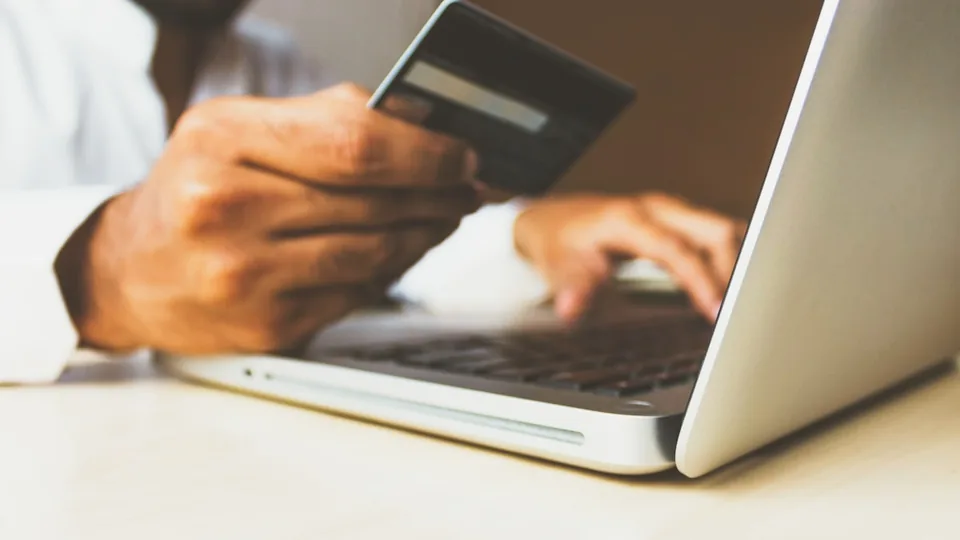
Decode the replacement risk into a final destination
After checking the surface, decode the QR and compare the final URL with the expected brand, service, payment provider, menu, event, or support page. A replaced code often fails at that context match.
A sticker can change the destination without changing the surrounding sign.
Use tampering review for both consumers and operators
Customers should pause before payment or login. Businesses should audit counters, tables, parking signs, posters, windows, packaging, receipts, and event signs so public QR assets do not become stale or hijacked.
QR security continues after the print run leaves the designer.Tampering happens when the surface looks trusted but the code no longer is
The key question is whether the QR image, printed CTA, physical placement, decoded URL, and final page still agree. If a public code opens payment, login, download, or private-data collection, that agreement matters even more.
Treat public QR codes as assets that need periodic inspection, not one-time artwork.Sticker replacement
Look for new labels placed over menus, meters, counters, posters, windows, and table cards.
Destination mismatch
Check whether the final domain belongs to the expected business, venue, provider, or campaign.
Sensitive action
Use extra caution before payment, login, wallet approval, download, or personal-data entry.
Business audit
Assign owners and review dates for public QR surfaces that customers rely on.
Public QR trust
Check public QR placements for sticker replacement, stale links, and destination mismatch
TrustTampering risk is highest when QR codes sit in public and ask for a valuable action: payment, ordering, support, login, account recovery, downloads, or personal information.
Sticker-over-sticker replacement
A malicious or mistaken label can cover the original QR on a parking meter, table tent, storefront, package, poster, or counter sign.
Watch for similar-looking domains, long URLs, login or verify keywords, and pages asking for credentials after an unexpected scan.
Trusted context, untrusted destination
Scanners may trust the surface because the surrounding sign looks official, even when the QR now opens an unrelated domain.
A trustworthy QR should not make the final destination mysterious, especially on posters, labels, menus, parking signs, or event materials.
Stale operational links
Old dynamic routes, expired campaigns, moved payment pages, and retired support links can create risk even without an attacker.
Before paying, check the domain, HTTPS, amount, recipient, and whether the destination matches the place or brand that printed the QR.Inspect the surface and the URL together
Look at the physical code, decode the destination, trace redirects, and compare the final page with the business, location, and action printed beside the QR.
A clean-looking QR image is not enough proof when the placement is public.Physical surface
Check for lifted edges, label mismatch, covered codes, damage, or new stickers over old print.
Decoded destination
Review the raw QR value and final URL before payment, login, or data entry.
Brand match
Confirm the domain and first screen match the expected merchant, venue, service, or organization.
Placement ownership
Businesses should know who owns each public QR and when it was last checked.
Make public QR placements easier to verify
Clear CTAs, recognizable domains, tamper-resistant placement, staff audits, and visible support paths help customers trust legitimate codes.
Tamper-aware scan flow
Look at the physical QR code before the phone opens the destination
Scan UXA tampering check starts before decoding. Public QR codes should be inspected as objects first, then checked as links.
Check whether the QR looks replaced
Sticker, label, table tent, signLook for sticker edges, misalignment, different paper, damage, or a code placed on top of an older code.
If the surface looks altered, verify through staff or an official route before scanning.
Decode and compare the final URL
Raw URL, redirect, domain, first screenThe final destination should match the place, merchant, service, or printed CTA.
Unexpected domains, strange shorteners, or extra redirects deserve caution.
Be stricter when the code asks for money or credentials
Payment, login, wallet, downloadTampering is most dangerous when the replacement code asks for payment, account login, wallet approval, app install, or personal data.
Use an official app, typed URL, or staff confirmation when the action is sensitive.
Does the QR label look original?
Check for replacement stickers, covered codes, damaged print, or mismatched branding.
Does the final URL match the expected organization?
Compare the decoded destination with the business, venue, provider, or sender.
Is the requested action sensitive?
Payment, login, downloads, wallet approvals, and private-data forms require stronger verification.
Public QR codes need physical and digital trust
Trust the scan only when the surface, URL, brand, and requested action all make sense together.
Field inspection flow
Use QR tampering checks when the physical code looks questionable
Useful checks include public payment stickers, parking signs, restaurant table codes, donation signs, event posters, rental equipment labels, package labels, and storefront decals. Look for visual signs too: overlapping stickers, mismatched print quality, different material, odd placement, or a code that does not match the rest of the sign.
For business owners, regular QR checks can protect customer trust. Keep a record of where official codes are placed, verify the destination after installation, and inspect high-traffic public codes periodically. Dynamic QR codes from QR Code Lab can make destination management easier, but the physical sticker or sign still needs real-world inspection.
If the decoded destination does not match the expected business or service, do not enter payment details or passwords. Use an official app, typed website, or direct contact method instead. QR Code Lab shows the code content and redirect path, while the owner decides how to replace or secure the physical asset. For public payment points, that physical follow-up is just as important as the link check.