QR Code Generator with Logo, Frames, Tracking & Analytics
Create static or dynamic QR codes with logos, frames, colors, editable links, scan tracking, analytics, and PNG or SVG exports for print, packaging, marketing, and digital campaigns.
Free QR code generator
Create a QR code online
Generate QR codes for websites, email, phone numbers, vCards, Wi-Fi, plain text, forms, PDF files, and campaign links. Customize colors, add a logo or frame, then download a print-ready PNG or SVG.
Choose QR code type
Website QR code, Email QR code, Phone QR code, vCard QR code, Wi-Fi QR code, Text QR code, SMS, WhatsApp, event, and download links.
Add your content
Enter your website URL, contact details, message, phone number, location, or file destination before generating the QR code.
Customize and download
Adjust QR colors, error correction, logo, frame, size, and margin. Generate QR Code, Download PNG, Download SVG, or Save and track scans.
Related QR code generators
Flexible QR creation
Start with the action people should take after the scan
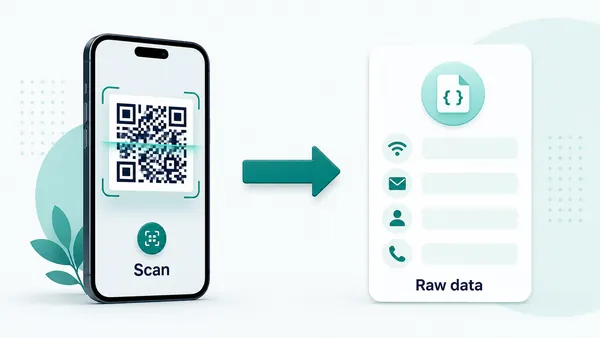
A QR code generator is useful only when the scan has a clear job. Sometimes that job is direct and native: join a Wi-Fi network, save a vCard, open an email draft, start a phone call, or show plain text. In those cases, the data can be stored directly inside a static QR code and the phone usually knows which interface to open.
Other times the scan should open a web destination: a landing page, product page, PDF, form, menu, social profile, campaign URL, support article, booking page, or file download. That is where destination planning matters more than the QR pattern itself. QR Code Lab lets you create the code, style it, export it for print, and decide whether the destination should stay direct or become dynamic and trackable.
For quick fixed details, static is simple. For printed assets, campaigns, packaging, books, menus, flyers, labels, and anything that may need edits later, dynamic QR codes give you more control after the code leaves your screen. The best choice is the one that fits the real scan moment, not the one that looks most advanced in the dashboard.
QR workflow choice
Choose the QR setup by what the scan needs to do
Start hereThe best QR code starts with the destination: direct data, editable link, branded print, tracked campaign, file, form, contact, Wi-Fi, or a mobile landing page.
URL QR code
Use for websites, landing pages, menus, product pages, portfolios, booking pages, and campaign pages.
Best dynamic when links may changePDF / File QR code
Use for menus, manuals, worksheets, bonus materials, brochures, certificates, ZIP archives, and checklists.
Dynamic is safer for printvCard QR code
Use for business cards, badges, counters, portfolios, sales materials, and follow-up contact details.
Static opens native contact saveWi-Fi QR code
Use for cafes, hotels, offices, classrooms, venues, rental spaces, and guest networks.
Usually best as staticForm QR code
Use for feedback, registrations, quote requests, surveys, support requests, applications, and check-in.
Dynamic helps forms evolveWhatsApp / messaging QR
Use when the next step is a conversation: support, sales, booking, delivery questions, or consultation.
Prefilled messages reduce frictionMaps QR code
Use for venues, offices, stores, events, pickup points, property listings, booths, and meeting locations.
Great for physical destinationsSocial QR code
Use for Instagram, TikTok, YouTube, X, LinkedIn, Behance, creator pages, and community profiles.
Best when relationship continuesPayment link QR code
Use for invoices, tips, donations, event payments, deposits, checkout pages, and payment requests.
Make amount and context clearNative action?
Wi-Fi, vCard, email, phone, and SMS often work best when the action is encoded directly, especially if the native phone interface matters.
Editable or measurable?
Use a dynamic QR code when the destination may change, files may be replaced, campaigns need analytics, or printed material must stay useful later.
Several actions?
Use a microlanding page when one scan should offer buttons, files, contact, feedback, booking, social links, or multiple next steps.
A QR code is the doorway, not the whole experience
The page, file, form, profile, or action after the scan should match the promise printed beside the code.
Choose static or dynamic QR by how much control you need after launch
DecisionStatic QR is simple when the encoded data is final. Dynamic QR is safer when printed materials may need edits, analytics, or destination control later.
Static QR is direct and final
A static QR code stores the final payload in the QR pattern itself, so the phone can open the native action or web page directly.
This works well for fixed Wi-Fi, vCard, phone, email, SMS, calendar, plain text, and permanent URLs.
After printing, the destination cannot be changed in QR Code Lab and scan analytics cannot be collected through a managed link.
Dynamic QR is editable and measurable
A dynamic QR code stores a managed URL first, then redirects scanners to the current destination.
That layer lets you update PDFs, menus, landing pages, forms, campaign URLs, files, or fallback pages after the code is printed.
Use it when reprints would be expensive or when scan reporting by campaign, placement, or material matters.
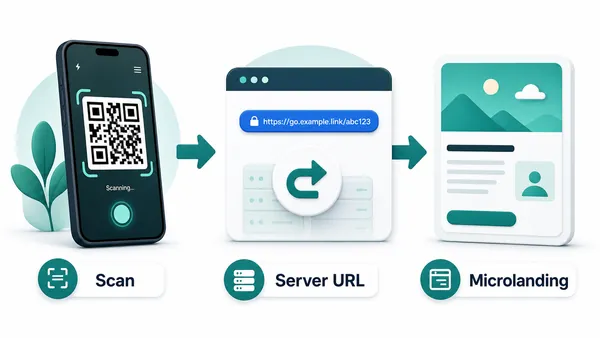
Quick decision
Branding without breaking scans
Design a QR code that looks intentional and still scans
Design safelyLogo, frame, color, and CTA choices should help people understand the scan without weakening contrast, quiet zone, size, or readability.
Add a frame and CTA so the code has a clear job
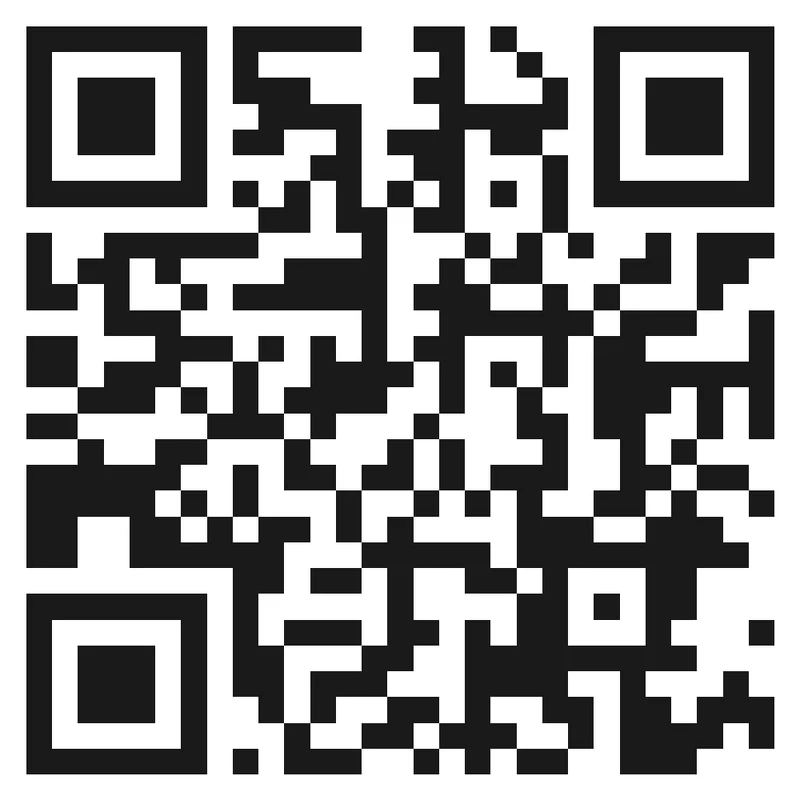
Before
A plain QR code can work, but in a busy layout it may feel pasted on and leave scanners unsure what opens next.
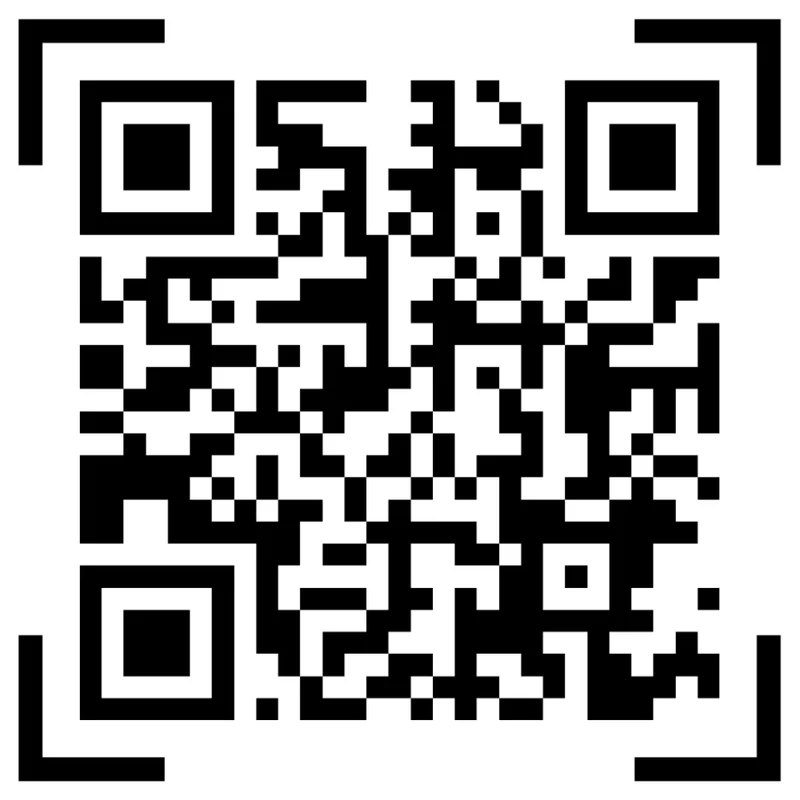
After
A frame, short CTA, and clean scan area make the code feel intentional while protecting the quiet zone.
Use brand styling only while readability stays strong
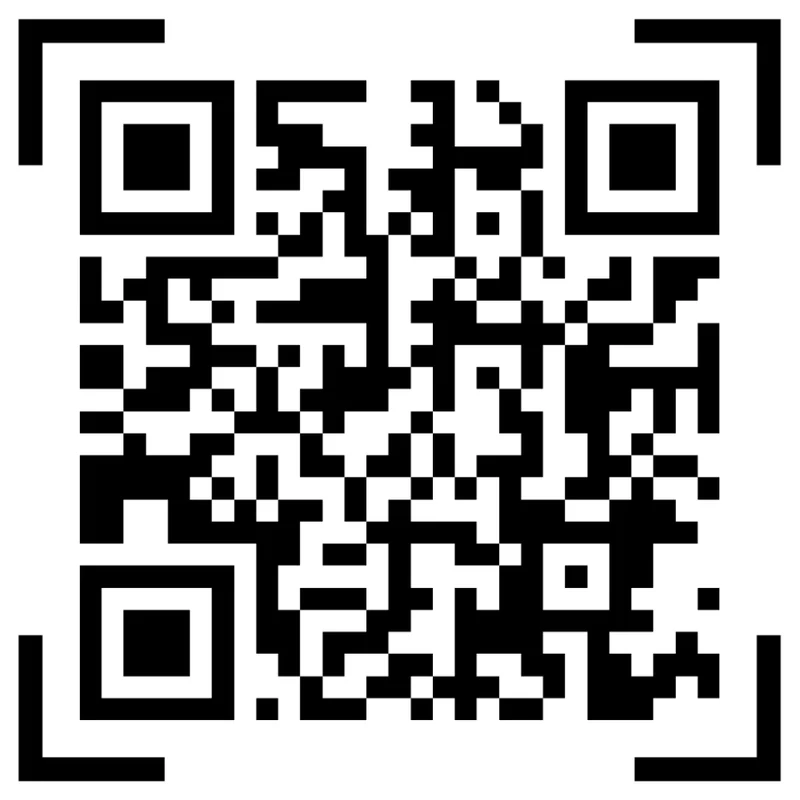
Risk
Low contrast colors, oversized logos, decorative patterns, and crowded backgrounds can make a QR code harder to scan.
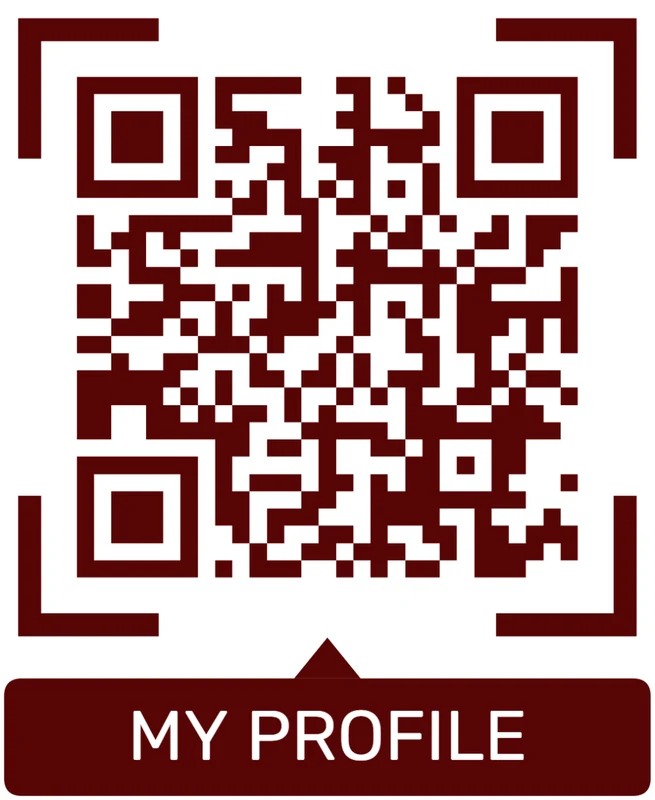
Better
Keep strong contrast, clear finder corners, enough quiet zone, and a tested printed size before approving the design.
Customize corners and modules
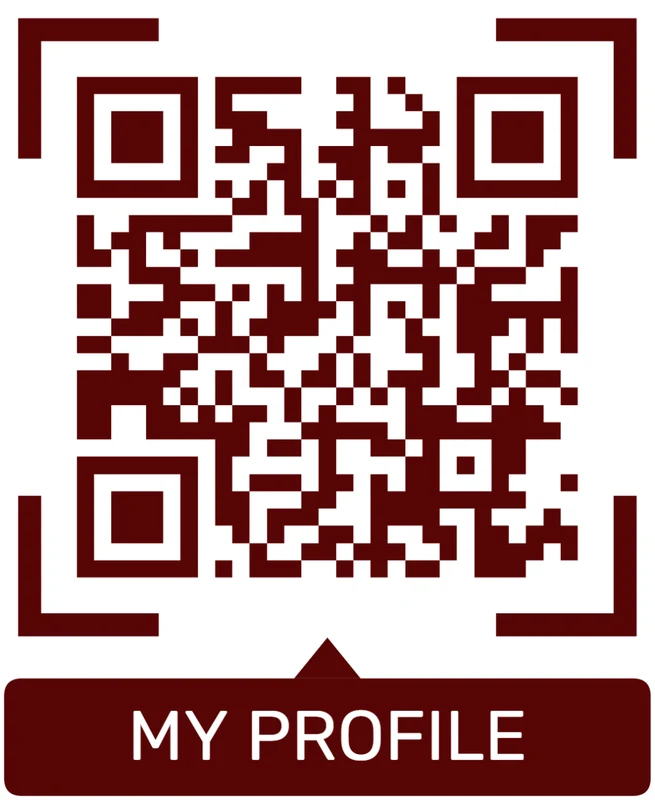
Standard pattern
A colored framed code already looks better, but it can still look like every other QR code.
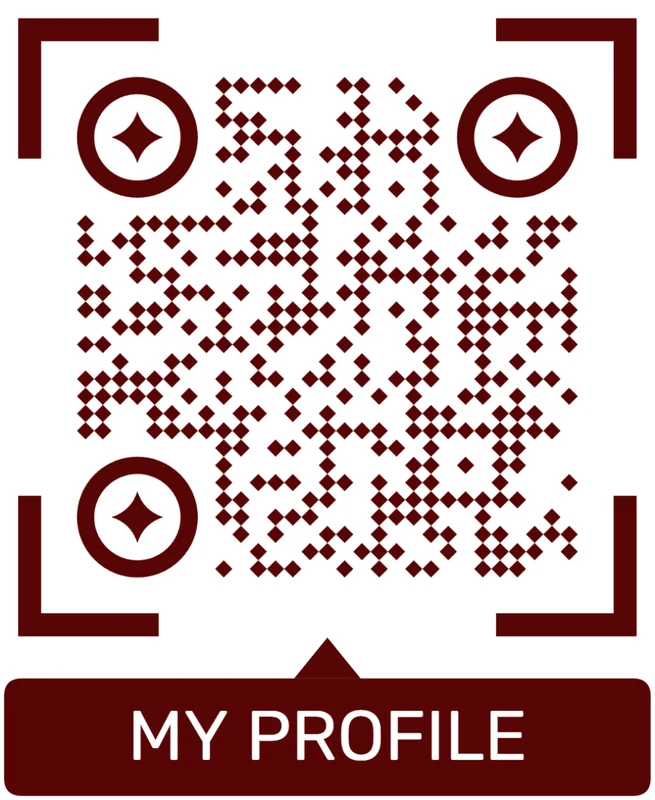
Custom eyes and module shape
Rounded modules, styled finder corners, and cleaner patterns can make the code feel premium. Keep the three corner markers clear.
Add a logo carefully
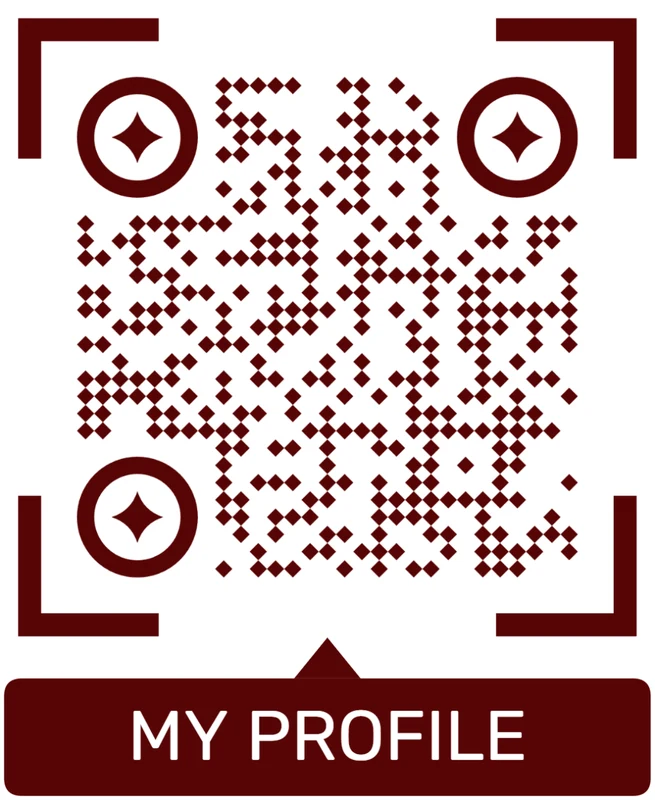
Styled QR code
A styled code can look polished, but people may still not know what brand, profile, file, or campaign it represents.
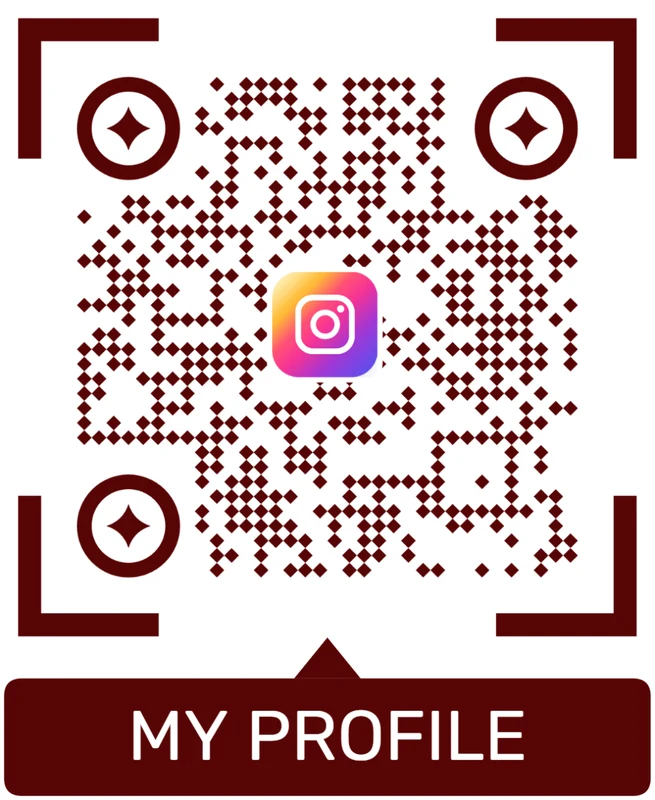
Logo QR code
A centered logo helps signal the destination. Keep it small, use a clean background behind it, and test the exported code.
Good QR design makes the next action clearer
Brand the code only when the design supports trust, context, and reliable scanning.
Print handoff
Check the QR code before the file goes to print
Print readyA QR code that looks fine on screen still has to survive size, material, distance, lighting, export format, and the real destination behind the scan.
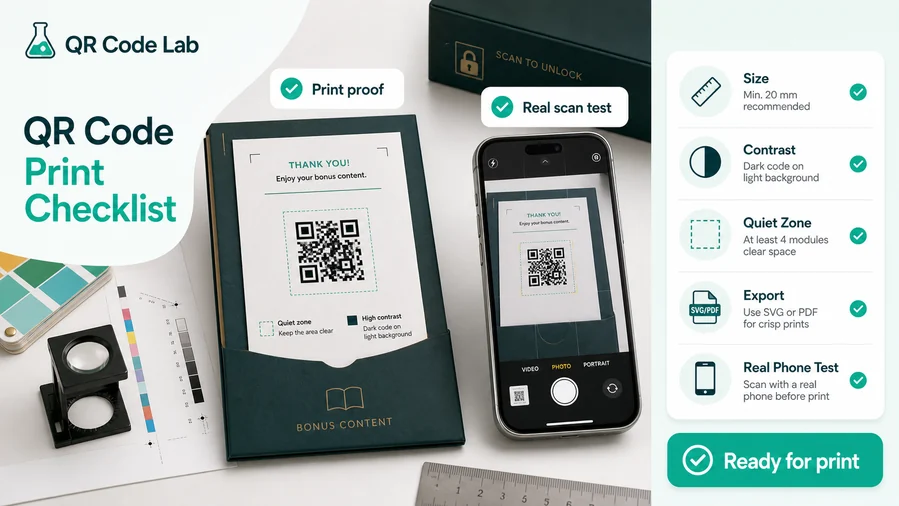
Make the physical code easy to scan
Match QR size to viewing distance, keep a clean quiet zone, and preserve strong contrast against the final artwork.
Export vector artwork for professional layouts and test decorative colors, logos, and frames before production.
Test the destination with the printed sample
Scan a final-size proof from the expected distance and lighting, then check the page, form, file, or action that opens on mobile.
If the printed material will last longer than the first destination, use dynamic QR so updates do not require reprinting.
Use a microlanding page when one scan needs several actions
A direct URL is enough for one stable destination, but many QR campaigns need buttons, files, contact paths, images, forms, and fallback actions together.
The printed QR stays simple while the page behind it presents the exact next step scanners need.
Business card
Open vCard, portfolio, booking, phone, email, and social proof without crowding the card.
Packaging
Connect buyers to setup, warranty, ingredients, safety, reorder, support, and product education.
Poster or flyer
Route to tickets, RSVP, offer, map, menu, demo, registration, or campaign landing page.
Menu or table tent
Open menu, ordering, booking, specials, loyalty, delivery, and feedback paths.
Print only after the scan, artwork, and destination agree
A QR code is ready when the physical code scans reliably and the mobile destination matches the printed promise.
One scan, one next step
A good QR code removes a small piece of friction at the right moment
The strongest QR codes do not try to explain everything at once. They move a person from a physical object to the next useful action: save this contact, open this menu, watch this setup video, claim this offer, join this Wi-Fi network, read the manual, check product details, register for the event, or send feedback. That sounds simple, but it is where many QR campaigns become weak: the code is visible, but the destination is not matched to the moment.
Before generating the QR code, decide where it will live and what the scanner is likely trying to do there. A poster, a business card, a package insert, a receipt, and a book page all create different expectations. When the destination and placement match, the scan feels helpful instead of decorative.
Use QR Code Lab to manage the parts around that scan: visual design, print-ready export, dynamic destination changes, and scan analytics. The QR code does not replace your website, form, payment page, or booking tool. It simply makes the right destination easier to reach when the person is already ready to act.