QR Code for Wedding Planners - RSVPs, Vendors & Timelines
Create QR codes for wedding planners managing RSVPs, schedules, maps, menus, registries, vendor pages, photo albums, and guest updates. Connect invitations, signs, table cards, and planner packets.
Free QR code generator
Create a QR code online
Generate QR codes for websites, email, phone numbers, vCards, Wi-Fi, plain text, forms, PDF files, and campaign links. Customize colors, add a logo or frame, then download a print-ready PNG or SVG.
Choose QR code type
Website QR code, Email QR code, Phone QR code, vCard QR code, Wi-Fi QR code, Text QR code, SMS, WhatsApp, event, and download links.
Add your content
Enter your website URL, contact details, message, phone number, location, or file destination before generating the QR code.
Customize and download
Adjust QR colors, error correction, logo, frame, size, and margin. Generate QR Code, Download PNG, Download SVG, or Save and track scans.
Wedding planning links
Help guests, couples, and vendors open the right wedding detail at the right time
A QR code for wedding planners is useful when printed materials need to guide guests, couples, or vendors to changing information. It can open RSVP pages, timelines, maps, menus, registries, vendor pages, guest updates, seating details, photo albums, emergency contacts, and weekend schedules. The code helps keep paper pieces clean while the planner keeps details current.
Wedding planning has many small moving parts. A welcome card can open the weekend schedule. A ceremony program can open photos or translations. A vendor packet can open timeline notes. A table card can open menu details or guest photo upload. A hotel card can open maps and shuttle times. QR Code Lab helps planners make these printed touchpoints dynamic and measurable instead of fixed forever.
QR Code Lab creates URL QR codes and scan analytics. It does not manage RSVPs, seating charts, vendor contracts, registries, payments, or private guest data. Your wedding website, form tool, planning software, gallery platform, map page, or shared document handles the event information.
Events, conferences, and weddings
Give wedding guests and vendors the right detail at the right moment
Attendee flowWedding planner QR codes work best when the scan opens the exact operational action: RSVP follow-up, timeline, map, seating, vendor instructions, shuttle notes, weekend schedule, or emergency contact.

Share guest details without crowding print
Use QR codes on welcome cards, programs, signage, and inserts for schedule, venue map, hotel blocks, shuttle details, dress code, and FAQ.

Keep the day-of timeline accessible
Open ceremony timing, reception flow, setup windows, vendor arrival notes, contact list, and rain plan from planner-controlled pages.

Route vendors to the right instructions
Use vendor cards and packets for load-in, parking, floor plans, power notes, meals, contact paths, and strike instructions.

Support guests during the weekend
Open welcome-party details, transportation, parking, childcare, accessibility, local recommendations, and late changes.

Protect payments and documents
Route invoices, deposits, balances, contracts, and receipts through trusted pages with event and planner context.
Guests should not need to text the couple for basic details
A good wedding planner QR page answers the practical questions: where to go, when to arrive, what to bring, how to get help, and what changed.
Planners can keep print elegant while operations stay flexible
Dynamic QR gives the planner room to update timelines, maps, vendors, weather plans, shuttle details, and support contacts without reprinting.
Match QR placement to the wedding operations flow
Planner placement
Place wedding planner QR codes where guests or vendors need the next instruction
PlacementWedding planner QR placement should follow the event flow: invitation details, welcome weekend, ceremony arrival, reception movement, vendor setup, payment, photos, and follow-up.
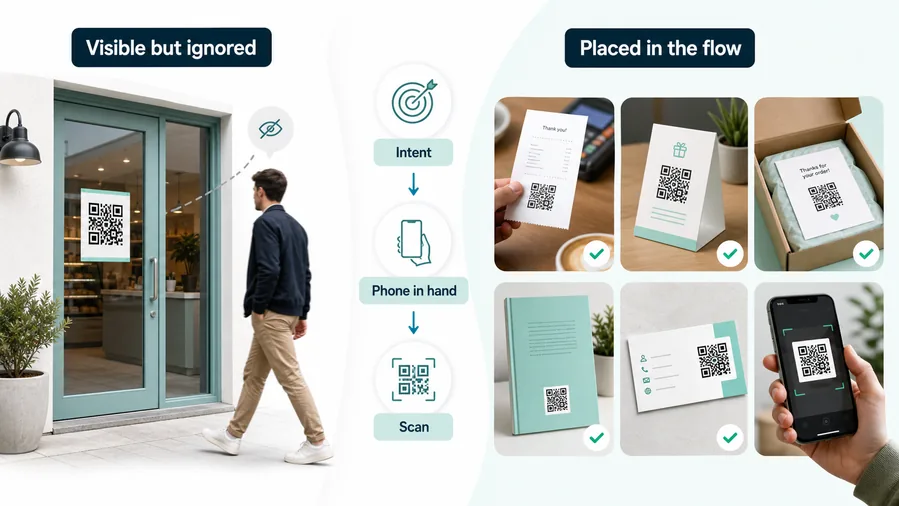
A generic wedding QR creates more questions
Guests, vendors, couples, and venue staff need different information from the same event.
A broad wedding website QR can slow people down when they need a map, timeline, shuttle, or contact.
Put the code beside the instruction it supports
Use welcome cards for guest details, vendor packets for setup, signage for wayfinding, invoices for payments, and thank-you cards for feedback or photos.
The first screen should show the couple, date, planner, or event context.
Who is scanning?
Guest, couple, vendor, venue manager, planner assistant, family member, or driver.
What instruction is needed now?
Timeline, map, seating, parking, shuttle, vendor load-in, payment, emergency contact, photo link, or feedback.
Will details change?
Use dynamic QR for timelines, weather plans, maps, vendor contacts, shuttle notes, payment links, and weekend updates.
Can it be scanned under event pressure?
Use enough size, contrast, and CTA clarity for signage, small inserts, dim venues, and rushed guests.
Welcome card
Open weekend schedule, FAQ, local tips, maps, shuttle, and emergency contacts.
Program
Share ceremony details, wedding party, readings, schedule, and photo notes.
Seating or wayfinding sign
Route guests to seating chart, venue map, shuttle, parking, or reception details.
Vendor packet
Open load-in, floor plan, timeline, contacts, meals, parking, and strike notes.
Planner badge
Share contact, emergency notes, timeline, and vendor support.
Invoice or contract packet
Open deposits, balances, receipts, documents, and billing support.
Thank-you card
Send clients to photos, feedback, reviews, referrals, and vendor credits.
Venue handoff sheet
Share timeline, setup notes, final counts, floor plan, and key contacts.
Wedding planner QR placement should remove coordination friction
If the scan does not answer a guest, vendor, or couple question faster than a text message, refine the role.
After-print control
Keep wedding planner QR destinations editable when details change
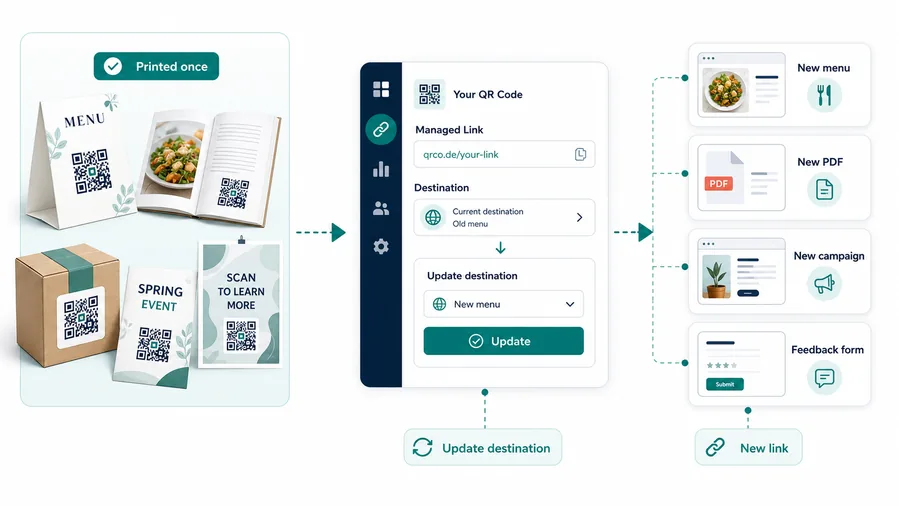
DynamicWedding plans change after print: timelines, weather, vendor contacts, shuttle routes, floor plans, payments, and photo links. Dynamic QR keeps printed materials useful.
A fixed QR can lock guests into old details
A static QR is fine for permanent information, but wedding operations rarely stay frozen once print is ordered.
Old shuttle notes, timelines, vendor contacts, payment links, and maps create day-of confusion.
An editable QR gives planners a live control point
Dynamic QR lets planners update guest pages, vendor packets, timelines, weather plans, maps, invoices, and photo links while the printed card stays the same.
That protects expensive stationery, signs, and vendor handoffs.
Guest details
Update maps, parking, shuttle, hotel, dress code, FAQ, and weekend schedule.
Vendor operations
Change load-in, floor plans, arrival times, contact lists, meals, and strike notes.
Payments and documents
Update invoice, balance, contract, receipt, and planning document destinations.
Photo and follow-up
Redirect thank-you cards to gallery, reviews, referrals, and vendor credits after the event.
Use dynamic QR when wedding print depends on living details
Planner print should stay beautiful while the operational destination stays current.
Scan reporting
Use wedding planner scan data to compare guest, vendor, and follow-up materials
AnalyticsTracking helps planners see which printed details people use, without treating scans as RSVPs, payments, or completed tasks.
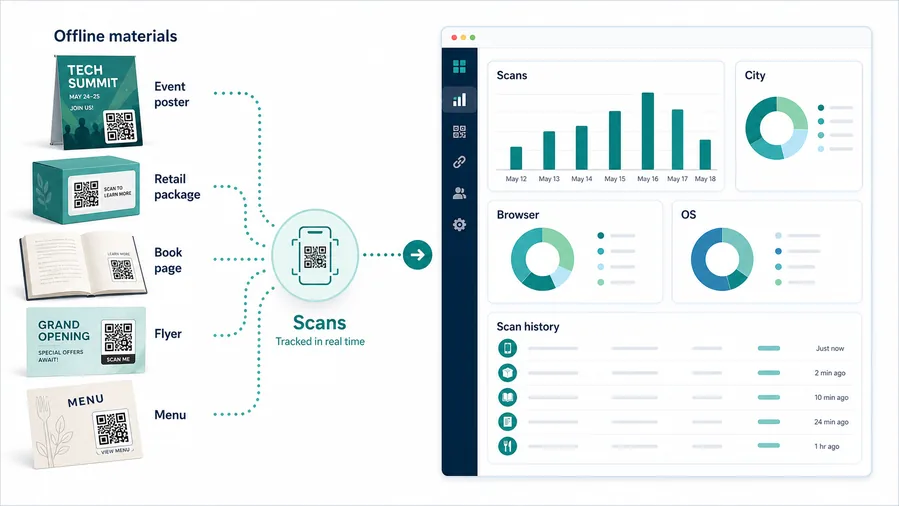
One shared planner code hides the operational question
A single QR can show total scans, but it cannot tell whether people needed maps, timelines, vendor instructions, payments, photos, or reviews.
It also cannot compare welcome cards, signage, vendor packets, invoices, and thank-you cards.
Separate tracked codes show where coordination is happening
Use different dynamic codes for guest details, vendor instructions, signage, payments, photo follow-up, and reviews when comparison matters.
The data is directional, but it helps planners improve future print and event flow.
Scan volume
Review scans by welcome card, program, sign, vendor packet, invoice, or thank-you card.
Timing
Check activity around invitation mailing, wedding weekend, setup windows, payment dates, and post-event follow-up.
Broad location
Use approximate location signals to spot venue, guest-region, or partner patterns.
Device context
Confirm maps, timelines, forms, and galleries work smoothly on guest phones.
Guest-detail usage
Compare maps, schedules, shuttle, FAQ, and welcome-card scans.
Vendor coordination
See whether vendor packets and setup signs are actually being used.
Payment follow-up
Track invoice and balance QR scans separately from guest details.
Post-event value
Compare gallery, review, referral, and vendor-credit scans after the wedding.
Name wedding planner QR codes by event role and placement
Use names like welcome-schedule, vendor-loadin, seating-map, invoice-balance, or thankyou-review so reports stay useful.
Guest and vendor flow
Use planner QR codes to reduce confusion without adding more paper
Useful placements include invitation inserts, welcome bags, table cards, ceremony programs, hotel cards, shuttle signs, vendor packets, seating displays, favor tags, and thank-you cards. CTAs should say view schedule, open map, RSVP, see menu, upload photos, read weekend details, contact planner, or view registry. Each code should point to a page that matches the printed piece.
Dynamic QR codes help because wedding details change until the last moment. Shuttle times, venue notes, menu updates, photo links, and vendor instructions can be edited while the printed code stays the same. Scan analytics can show whether guests used welcome cards, table tents, or signs, giving the planner a useful signal for future events.
Keep guest pages warm and simple. Guests need names, date, location, and next action quickly. Vendor pages can be more operational, but should not be public if they include private details. QR Code Lab manages the code and scan counts, while your planning tools handle the sensitive information. Clear separation keeps guests informed and vendors organized.
Scan trust
Make wedding planner QR codes trustworthy before guests, vendors, or couples rely on them
TrustWedding planner QR codes may open guest details, vendor instructions, maps, payments, contracts, private galleries, and reviews. The destination should clearly match the event and planner.

Wrong event or outdated details
Guests and vendors can make costly mistakes if QR codes open an old timeline, venue map, or shuttle plan.
Watch for similar-looking domains, long URLs, login or verify keywords, and pages asking for credentials after an unexpected scan.
Sensitive vendor or payment links
Contracts, invoices, balances, and vendor instructions need planner, couple, and event context before action.
A trustworthy QR should not make the final destination mysterious, especially on posters, labels, menus, parking signs, or event materials.
Public signage confusion
Venue signs and welcome tables should not look like random QR stickers, especially when they route to forms or payments.
Before paying, check the domain, HTTPS, amount, recipient, and whether the destination matches the place or brand that printed the QR.Scan the printed proof before people rely on it
Confirm that the destination shows the right brand, event, venue, vendor, menu, form, payment page, or support path before the printed code goes live.
The QR code removes typing; the destination still has to prove it belongs to the planner, vendor, restaurant, or venue.Decoded destination
Check that the QR opens the current guest page, vendor packet, map, invoice, gallery, or support page.
Event identity
Confirm the page shows couple, date, venue, planner, or event context before forms or payments.
Operational accuracy
Review timeline, map, shuttle, vendor contact, and weather-plan details before printing.
Support path
Show who to contact for urgent guest, vendor, payment, or day-of questions.
Publish QR codes people can verify
The printed CTA, page title, brand identity, and first action should all describe the same promise.