
QR Code for Attorneys - Intake, Consultation & Contact Links
Create QR codes for attorneys linking intake forms, consultation booking pages, firm profiles, contact cards, reviews, maps, and resources. Use them on cards, letters, offices, and ads.
Free QR code generator
Create a QR code online
Generate QR codes for websites, email, phone numbers, vCards, Wi-Fi, plain text, forms, PDF files, and campaign links. Customize colors, add a logo or frame, then download a print-ready PNG or SVG.
Choose QR code type
Website QR code, Email QR code, Phone QR code, vCard QR code, Wi-Fi QR code, Text QR code, SMS, WhatsApp, event, and download links.
Add your content
Enter your website URL, contact details, message, phone number, location, or file destination before generating the QR code.
Customize and download
Adjust QR colors, error correction, logo, frame, size, and margin. Generate QR Code, Download PNG, Download SVG, or Save and track scans.
Legal intake path
Give potential clients one clear way to contact the firm
A QR code for attorneys is useful when a printed card, guide, seminar handout, or office sign should lead to one trusted next step. It can open an intake form, consultation booking page, firm profile, contact card, review page, office map, practice-area resource, or client education page. Attorneys, solo lawyers, legal clinics, law firms, and community legal programs can use QR codes to reduce the friction between offline interest and online contact.
For legal services, clarity matters more than novelty. A person scanning from a business card or legal clinic flyer may be nervous, rushed, or unsure what to ask. The code should explain the action plainly: request consultation, save contact, open intake form, get directions, or read this resource. QR Code Lab helps make that printed path easy to update and easy to measure when you use dynamic QR codes.
QR Code Lab creates URL QR codes only. It does not provide legal, financial, medical, or professional advice, and it does not manage bookings, payments, forms, client records, or attorney-client relationships. Your intake, booking, CRM, website, or review platform handles the actual relationship and any sensitive information.
Legal client moments
Help legal clients reach the right intake, contact, or case resource
Client flowAn attorney QR code should move people from a card, letter, flyer, office sign, seminar handout, or referral sheet to a specific legal next step without implying that scanning creates an attorney-client relationship.

Make intake easier without overpromising representation
Use QR codes for consultation requests, conflict-check forms, document checklists, appointment booking, and practice-area pages that explain the next step clearly.
The destination should set expectations before a person shares sensitive facts.
Route each practice area to the right path
Personal injury, estate planning, family law, immigration, real estate, and business matters often need different forms, documents, and urgency language.
A focused destination is safer than a generic contact page when the issue is sensitive.
Keep trust and disclaimers visible
Tell scanners whether the QR opens information, a booking form, a client portal, a payment page, or a review link, and include the firm boundaries where needed.
Clarity protects both the client experience and the firm.An attorney QR should guide action without blurring legal boundaries
People may scan during a stressful moment, after a referral, or while holding legal paperwork. The destination should be specific, calm, mobile-friendly, and clear about what happens next.
QR Code Lab creates the QR path; the law firm owns legal advice, confidentiality, conflicts checks, payments, and representation terms.New inquiries
Open consultation request, conflict-check, practice-area intake, or appointment scheduling.
Existing clients
Route to portal access, document upload, payment provider, or case update instructions.
Events and seminars
Link attendees to slides, resource pages, follow-up booking, and relevant disclaimers.
Reviews and referrals
Ask after the matter is complete and keep private support paths visible.
Legal practice growth
Turn legal touchpoints into careful, specific client actions
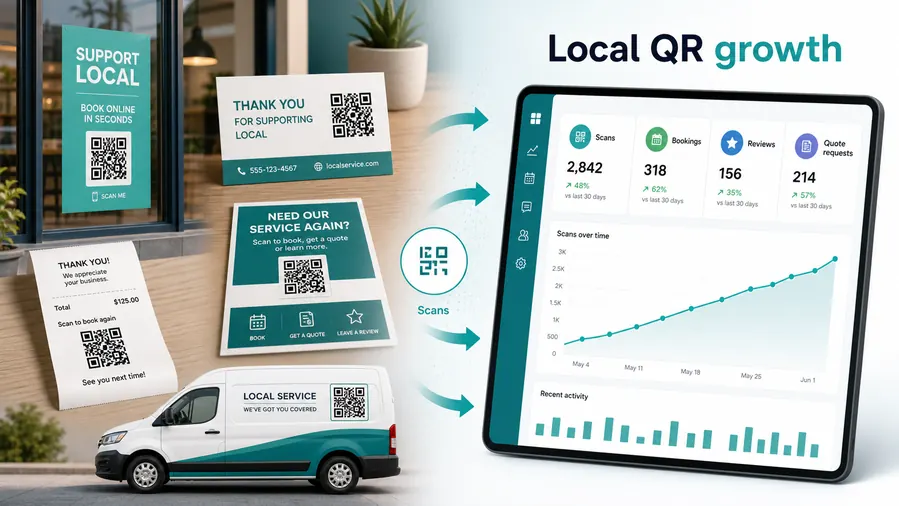
PracticeAttorney QR codes should help the right person take the right next step: request a consultation, prepare documents, find the office, pay through a trusted provider, or leave feedback after a resolved matter.
Send new inquiries to the right practice-area form
Use QR codes on cards, ads, referral sheets, and seminar materials to open a consultation request that explains timing, documents, and next steps.

Help clients bring the right documents
Link appointment reminders and folders to checklists for IDs, contracts, notices, records, photos, timelines, or estate documents.

Make office visits less stressful
Use lobby, parking, and appointment QR codes for directions, building entry, parking notes, check-in, and contact options.

Open the trusted payment or retainer page
If payment is involved, the QR should open the approved provider and make the firm, purpose, and amount context clear before checkout.

Attach resources to workshops and handouts
Send seminar attendees to slides, checklists, guides, FAQs, and booking paths tied to the topic they just heard.

Ask for reviews after the matter is complete
Use review QR codes only when the client experience is finished and private support remains available for unresolved concerns.
Legal scanners need clarity before they share sensitive facts
The person may be worried, rushed, or holding private documents. The QR destination should identify the firm, the purpose, and the boundaries before asking for information.
The firm can separate inquiries by intent
Distinct QR destinations for intake, documents, payments, reviews, and seminar follow-up help staff handle requests without sorting every scan manually.
Place the code where the legal next step begins
Legal placement
Place attorney QR codes where the next step is specific and expected
PlacementLegal QR placement should match the client moment: referral card, consultation packet, office visit, seminar handout, invoice, client folder, or follow-up request.
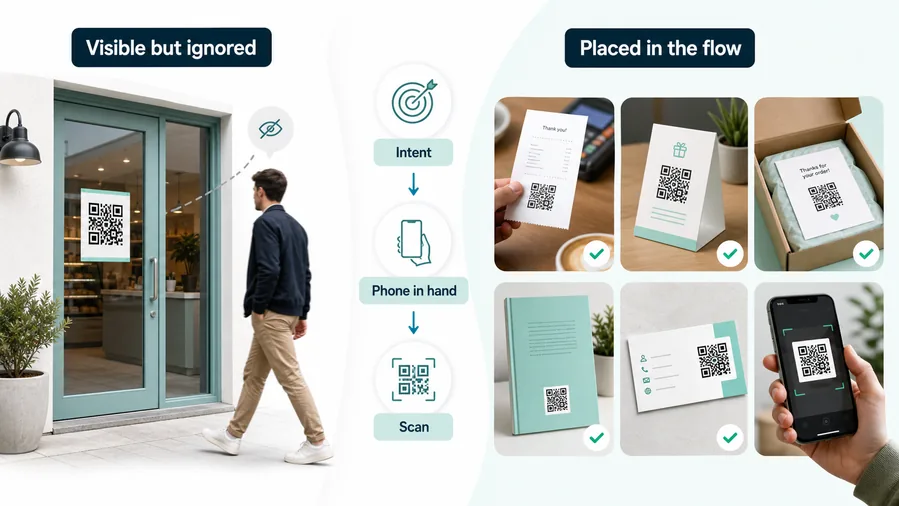
The QR sends every scanner to one contact page
A generic contact page does not explain urgency, documents, conflict checks, payment, or practice-area expectations.
Legal scans need more context than a simple lead form.
The QR opens the right legal path for that moment
Use business cards for consultation, folders for client tasks, invoices for payment, and handouts for topic-specific resources.
The printed CTA should say exactly what the person is opening.
Is this a new inquiry or an existing client?
Consultation request, portal, document upload, payment, and review links should stay distinct.
What practice area is involved?
Use focused intake language when documents, deadlines, urgency, or disclaimers differ.
Does the person understand the boundary?
Make clear whether the scan opens information, booking, payment, portal, or intake.
Will the destination change?
Use dynamic QR for calendars, forms, handouts, seminar resources, and payment links that may move.
Business card
Open consultation request, practice-area overview, directions, and phone contact.
Referral sheet
Route to intake, conflict-check expectations, document prep, and appointment booking.
Client folder
Link to portal, upload path, checklist, payment provider, and case contact.
Office sign
Use for check-in, parking, Wi-Fi, directions, and reception contact.
Seminar handout
Open slides, resources, disclaimers, topic checklist, and follow-up booking.
Invoice or retainer notice
Open the trusted payment provider and billing support path.
Mailing or flyer
Send prospects to a specific practice-area page and consultation path.
Thank-you card
Ask for reviews or referrals only after the matter is complete.
Attorney QR placement should respect legal context
Put the code where the action is expected, then make the destination specific and careful.
Honest reviews, useful feedback
Ask for attorney reviews without confusing support, ethics, or confidentiality
Ethical feedbackA review QR code for a law firm should be used after a matter or service milestone is complete, with clear expectations and a private contact path for unresolved concerns.
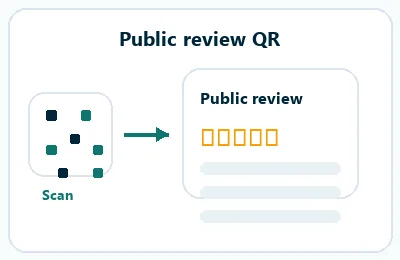
Ask when the client has a real finished experience
Use a QR on a closing letter, thank-you card, or follow-up email after the client has enough context to describe the service.
Matter closeout, consultation follow-up, estate plan delivery, successful filing, or resolved service milestone. Do not imply that a positive review is required or tied to legal outcomes.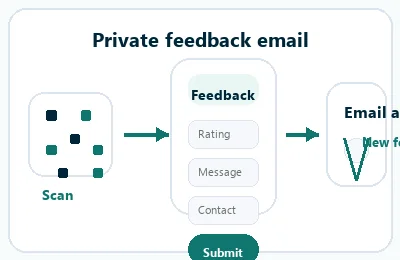
Keep support available before public review pressure
If the client still has questions, billing concerns, or document issues, send them to a private contact path instead of only a public review page.
Billing questions, unresolved document requests, scheduling problems, or active representation concerns. Avoid exposing confidential facts or pressuring clients to discuss legal matters publicly.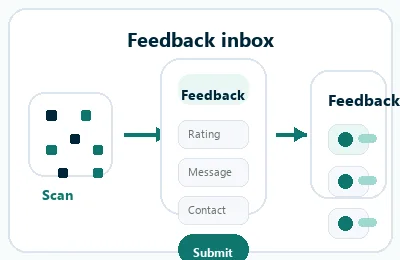
Separate reviews from referrals and new inquiries
A satisfied client may want to refer someone, but referral, review, and new-client intake should be clearly different actions.
Thank-you notes, networking follow-up, referral cards, and client appreciation materials. Make clear that scanning does not create representation for a referred person.Use review QR codes carefully in legal workflows
The scan should make feedback easier while preserving trust, confidentiality awareness, and realistic expectations.
Professional context
Place the QR where contact already feels like the next step
Use attorney QR codes on business cards, office reception signs, consultation cards, conference handouts, seminar materials, legal clinic flyers, direct mail, sponsorship banners, printed guides, and appointment cards. The CTA should be specific and calm: request consultation, open intake form, save attorney contact, get directions, read legal guide, or review our firm. Avoid making sensitive forms look like a generic scan link.
Trust is important in this category. If the QR opens a form, the printed material should make clear whose form it is and why the person is being asked to complete it. If the QR opens a resource page, the page should be mobile friendly and written for a client, not only for search engines. Dynamic QR codes help when consultation pages, office locations, attorney bios, resources, or campaign pages change. QR Code Lab analytics can show which offline materials lead people to contact or intake pages, while client data remains in your official systems.
For events or printed guides, use separate codes for different practice areas. A family law seminar, business card, and estate planning brochure may all need different destinations and clearer reporting.
Client UX
Make attorney QR scans clear before people share sensitive details
Scan UXA law firm QR destination should identify the firm, explain the action, and separate information, intake, payment, portal access, and review requests.
Intake should explain what happens next
Consultation, conflict check, documents, timingA new client should know whether they are requesting a call, submitting intake, or reading practice-area information.
Set expectations before collecting sensitive facts.
Client tasks should route to the right system
Portal, upload, payment, checklist, contactThe QR should open the exact portal, checklist, upload, or payment page named on the printed material.
That reduces confusion and avoids mixing private tasks with public pages.
Educational scans should not feel like legal advice
Seminar, guide, FAQ, checklistResources from handouts and events should be useful while keeping appropriate disclaimers and next-step options clear.
If the person needs advice, point them to a consultation path.
Does the page identify the firm and purpose?
The first screen should confirm who is behind the destination and what action is expected.
Are sensitive paths separated?
Intake, upload, payment, portal, and review flows should not blur together.
Is the legal boundary clear?
Make expectations visible before the scanner shares case facts or payment information.
An attorney QR should create confidence, not ambiguity
Use the scan to guide the next step while keeping legal boundaries and privacy expectations clear.