Notary QR Code for Booking, Intake Forms & Client Links
Create notary QR codes for appointment pages, intake forms, document checklists, contact cards, maps, reviews, and client resources. Use them on cards, desks, flyers, and signs.
Free QR code generator
Create a QR code online
Generate QR codes for websites, email, phone numbers, vCards, Wi-Fi, plain text, forms, PDF files, and campaign links. Customize colors, add a logo or frame, then download a print-ready PNG or SVG.
Choose QR code type
Website QR code, Email QR code, Phone QR code, vCard QR code, Wi-Fi QR code, Text QR code, SMS, WhatsApp, event, and download links.
Add your content
Enter your website URL, contact details, message, phone number, location, or file destination before generating the QR code.
Customize and download
Adjust QR colors, error correction, logo, frame, size, and margin. Generate QR Code, Download PNG, Download SVG, or Save and track scans.
Client handoff
Give notary clients the right link before they arrive unprepared
A notary QR code is useful when clients need a clear next step before an appointment, at the front desk, or after a document service. It can open an appointment page, intake form, document checklist, contact card, office map, pricing page, review page, or client resource. Notaries, mobile notary services, signing agents, document service providers, law-adjacent offices, and local professional teams can use QR codes to reduce back-and-forth and help clients arrive with the right information.
For notary work, confusion is expensive. A client may forget identification, bring the wrong document, miss the address, or call repeatedly for basic details. A QR code on a business card, appointment card, folder, flyer, or office sign can open the exact checklist or booking page instead of a broad homepage. QR Code Lab helps make that printed handoff easy to update and measure.
QR Code Lab creates URL QR codes. It does not provide legal advice, verify documents, process payments, collect forms, run bookings, or operate notary software. Your booking, intake, document, review, or mapping platform remains responsible for the client action and any sensitive data.
Notary client moment
Turn notary inquiries into the right booking or document step
NotaryA notary QR code should help clients move from a card, sign, flyer, office desk, real-estate packet, or mobile service handout to booking, document preparation, ID instructions, pricing, or contact.
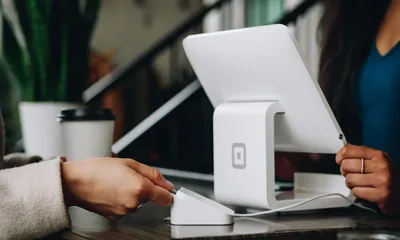
Open the correct appointment path
Send clients to the exact booking page for mobile notary, office visit, loan signing, apostille help, or general document notarization instead of a broad homepage.

Explain what clients must bring
Use the destination for ID requirements, unsigned document notes, witness rules, travel fees, service area, and appointment expectations before the client arrives.

Route different notary requests cleanly
Real-estate packets, elder-care documents, school forms, business agreements, and mobile calls may need different intake questions and pricing notes.

Make contact and credentials visible
Show notary name, business name, location, license or commission context where appropriate, hours, phone, and secure contact options so the scan feels professional.

Connect completed appointments to reviews or referrals
After service, use cards or receipts to ask for reviews, referrals, repeat booking, or document follow-up without mixing that ask into the initial booking QR.

Support clients who need on-site help
For mobile notary work, the QR can open service area, travel fee, availability, location intake, and urgent contact details.
Clients need confidence before sharing document details
The scan should clarify service type, appointment path, preparation requirements, and contact method so clients know they are not sending sensitive information to the wrong place.
Notaries need cleaner intake before the appointment
A focused QR reduces back-and-forth about ID, witnesses, unsigned documents, location, fees, availability, and service fit.
Place notary QR codes where clients are preparing to act
Notary placement
Place notary QR codes where clients need the next requirement
PlacementNotary QR placement should reduce uncertainty at the moment clients are preparing documents, scheduling, arriving, or following up after service.
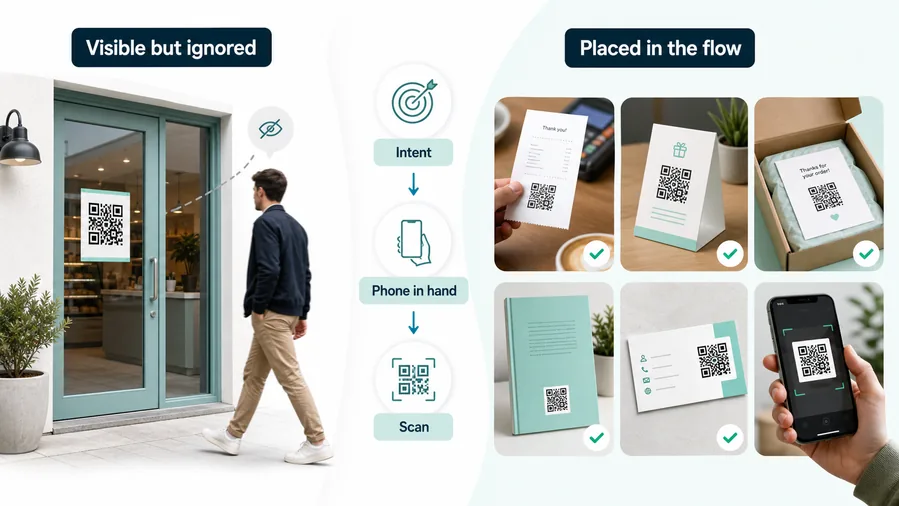
The code sends every client to the same vague page
A notary client may need booking, pricing, ID rules, witness notes, mobile service details, or a secure contact path.
If the QR destination is too broad, the client still has to search or call for the important requirement.
The QR opens the next step for that document moment
Use different print placements for booking, appointment preparation, arrival instructions, real-estate packets, and follow-up reviews.
The caption should say what opens before a client scans with sensitive documents in hand.
Is the client booking or preparing?
Appointment pages, ID instructions, witness notes, and pricing belong at different moments.
Does the service type matter?
Mobile notary, loan signing, apostille, business forms, and general notarization may need different intake.
Is sensitive information involved?
Use clear contact and secure handling expectations before asking for document details.
What should happen after service?
Use separate follow-up QR for reviews, referrals, repeat booking, or document support.
Business card or flyer
Best for booking, phone, service area, mobile availability, and basic service fit.
Office counter sign
Use for ID requirements, wait instructions, fees, appointment rules, and contact.
Document packet
Good for loan signing preparation, checklist, scheduling, and required next steps.
Follow-up card
Use after service for reviews, referrals, repeat appointments, and client support.
Poster or event sign
Best where people pause: registration line, booth, waiting area, seat back, schedule board, or exit path. Weak when people only pass at speed.
Business card
Useful after a conversation because the person already knows why they might save a contact, open a portfolio, book a call, or follow up.
Window sign
Good for after-hours menus, booking, pickup instructions, or quick offers. Avoid complex actions when the person is outside and just walking by.
Cover or front label
Use it only when the promise is immediate and clear. Otherwise the better scan moment is often inside the material or after the first interaction.
A notary QR should lower appointment friction
Put the code where the client needs one clear requirement or action, not where it becomes another generic business link.
Document scan UX
Make the notary scan explain requirements before the client arrives
Scan UXA notary QR destination should make appointment type, preparation rules, fees, location, contact, and privacy expectations clear enough that the client shows up ready.
The booking path should match the notary service
Mobile notary, office visit, loan signing, apostille, document helpClients should not have to decode a general contact page when they need a specific appointment type.
Use clear service labels, available times, service area, travel notes, and phone fallback so the scan feels like progress.
Document requirements should appear before the form
ID, witnesses, unsigned documents, fees, locationA notary appointment can fail if the client signs too early, forgets ID, misses a witness requirement, or misunderstands fees.
Put the most important requirements near the top of the mobile page before asking for personal details.
The destination should look official and local
Name, business, phone, address, credential contextNotary work often touches sensitive documents, so the page should clearly identify the business and contact path.
Avoid vague landing pages that make clients wonder whether they reached the right notary.
Does the page say what to bring?
ID, witnesses, unsigned documents, appointment address, and fees should be visible before arrival.
Is the contact path clear?
Clients should know how to call, message, reschedule, or ask about document fit.
Is the review ask separated?
Do not mix post-service review requests into the initial document-preparation QR.
A notary QR should prevent avoidable appointment failure
Use it to prepare clients, route the right service type, and make the business identity clear before documents are shared.
Professional placement
Use the QR where it removes a real client question
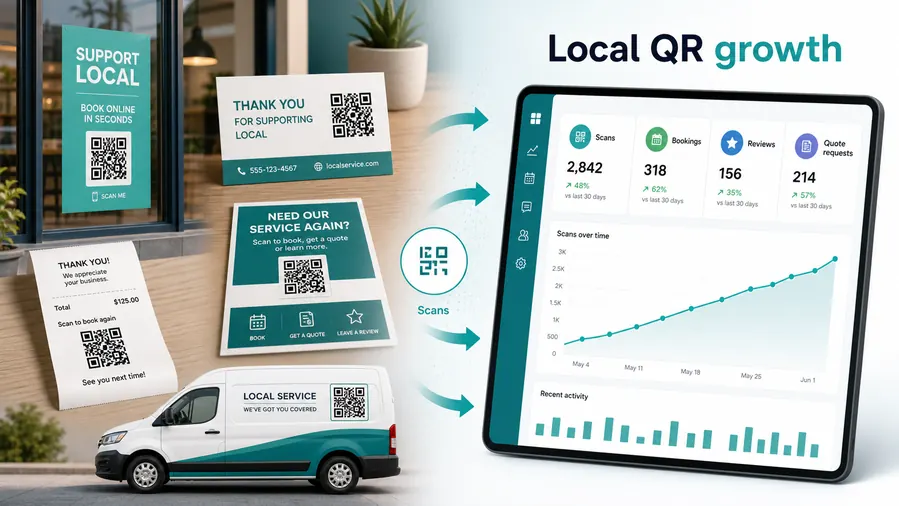
Good notary QR placements include business cards, appointment cards, document folders, intake packets, reception desks, mobile notary flyers, office windows, invoices, client handouts, real estate packets, and follow-up cards. The CTA should be specific: book a notary appointment, open document checklist, get directions, save contact, review our service, or upload documents in the approved portal.
Because notary services can involve sensitive documents, the destination should be clear and trustworthy. Avoid sending clients through confusing short links or unlabeled pages. If you need files or intake details, use the official platform your office trusts and explain what the client should do there. Dynamic QR codes help when booking links, office hours, checklists, prices, or review links change. QR Code Lab analytics can show which printed materials create interest, while form submissions, appointments, and client records stay inside your business systems.
For mobile notary work, consider separate codes for booking, document preparation, directions, and reviews. Each one answers a different client need and keeps the printed instruction easier to follow.