QR Code for Videographers - Portfolios, Booking & Leads
Create QR codes for videographers linking portfolios, booking pages, event galleries, lead forms, pricing pages, reviews, social profiles, and contact cards. Use them on cards, booths, and proposals.
Free QR code generator
Create a QR code online
Generate QR codes for websites, email, phone numbers, vCards, Wi-Fi, plain text, forms, PDF files, and campaign links. Customize colors, add a logo or frame, then download a print-ready PNG or SVG.
Choose QR code type
Website QR code, Email QR code, Phone QR code, vCard QR code, Wi-Fi QR code, Text QR code, SMS, WhatsApp, event, and download links.
Add your content
Enter your website URL, contact details, message, phone number, location, or file destination before generating the QR code.
Customize and download
Adjust QR colors, error correction, logo, frame, size, and margin. Generate QR Code, Download PNG, Download SVG, or Save and track scans.
Video portfolio path
Connect printed materials to reels, packages, booking, and client proof
A QR code for videographers is useful when a business card, wedding expo flyer, event sign, proposal, package insert, studio display, thank-you card, or local ad should open a strong video next step. It can link to portfolios, reels, booking pages, pricing pages, lead forms, event galleries, reviews, social profiles, and contact cards.
Video services need proof fast. A printed card can only say so much, but a scan can open a reel that shows the work immediately. A wedding expo flyer can open packages. A corporate proposal can open case studies. A delivery card can open client galleries or review links. QR Code Lab helps create dynamic QR codes that stay editable after printing and track which offline materials send people to your video pages.
QR Code Lab creates URL QR codes and scan analytics. It does not host video by itself, process payments, manage bookings, collect contracts, or operate gallery software. Your video platform, portfolio site, booking page, form tool, review site, or CRM handles the real client workflow.
Video client moments
Turn videographer print into portfolios, inquiries, briefs, bookings, payments, and reviews
Creative workflowVideographer QR codes should match the client stage: watching proof, comparing style, requesting a quote, sending a brief, booking a date, paying a deposit, approving deliverables, or leaving feedback.
Show the right video work quickly
Route business cards, brochures, and booth signs to reels, wedding films, corporate samples, testimonials, and package pages.
Move interest into a usable brief
Open forms for event date, location, style, budget, deliverables, timeline, references, and contact details.

Help clients reserve the right date
Use proposal packets and cards for availability, discovery calls, packages, contracts, deposit rules, and scheduling.
Support guests and event teams on the day
QR codes can open livestreams, schedules, upload folders, shot lists, speaker files, venue maps, and contact paths.
Make deposits and balances clear
Route invoices to trusted payment pages with package, event, date, deliverable, and receipt context.
Ask after delivery and support are complete
Use delivery cards and follow-up print for private feedback, public reviews, referrals, and next-project inquiries.
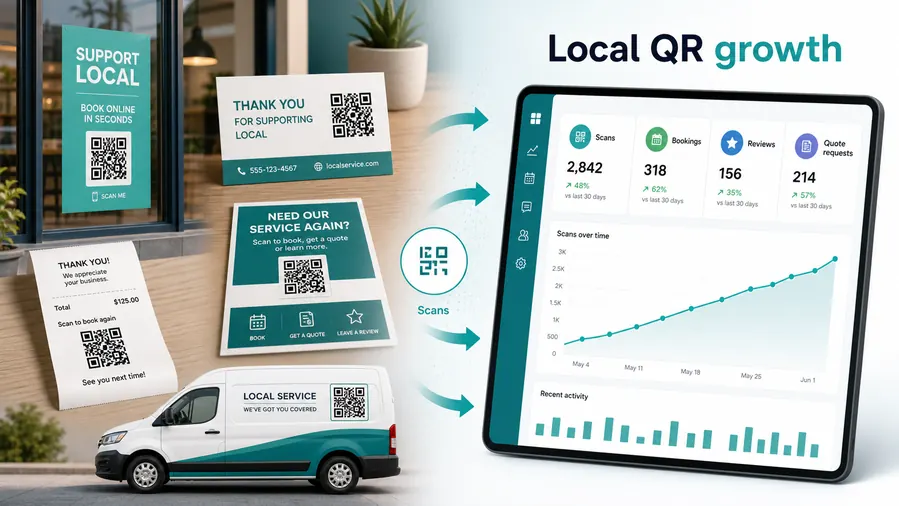
Video clients scan when the destination helps them trust the work
The page should show relevant examples, make next steps obvious, and reduce uncertainty around style, date, deliverables, pricing, and communication.
Editable QR keeps creative print useful as reels, packages, and booking links change
Dynamic QR lets videographers update portfolio reels, inquiry forms, packages, calendars, payment pages, galleries, and review paths without replacing every card.
Match videographer QR placement to the client decision
Events, conferences, and weddings
Give video clients and event guests the right media action at the right moment
Attendee flowVideographer QR codes work best when the scan opens the exact action: watch reel, request quote, share brief, view livestream, upload files, open gallery, approve edits, or review the final delivery.

Open the portfolio before the inquiry
Use cards, booth signs, and brochures to show work by niche: weddings, events, real estate, corporate, social, or product video.
Collect project details cleanly
Send prospects to a brief with date, venue, timeline, audience, deliverables, budget, style, and reference links.
Support the shoot day
Open schedules, call sheets, shot lists, livestreams, guest uploads, venue details, and emergency contact.
Deliver files and galleries
Route clients to proofs, final galleries, download folders, edit notes, captions, thumbnails, and approval forms.

Handle deposits and balances
Use proposal and invoice QR codes for deposits, milestones, final balances, receipts, and payment support.
The scanner should know whether they are watching, booking, uploading, or approving
A video QR code can serve clients, guests, vendors, or internal teams, so the printed CTA must name the role and action clearly.
Separate QR codes when each placement has a different media job
Use different dynamic codes for portfolio cards, event signs, livestream, guest uploads, gallery delivery, invoices, and review cards when reporting or routing matters.
Match QR placement to the production flow
Video placement
Place videographer QR codes where clients are choosing, booking, filming, viewing, or reviewing
PlacementVideographer QR placement should follow the creative workflow from discovery to brief, booking, production, delivery, payment, feedback, and referrals.
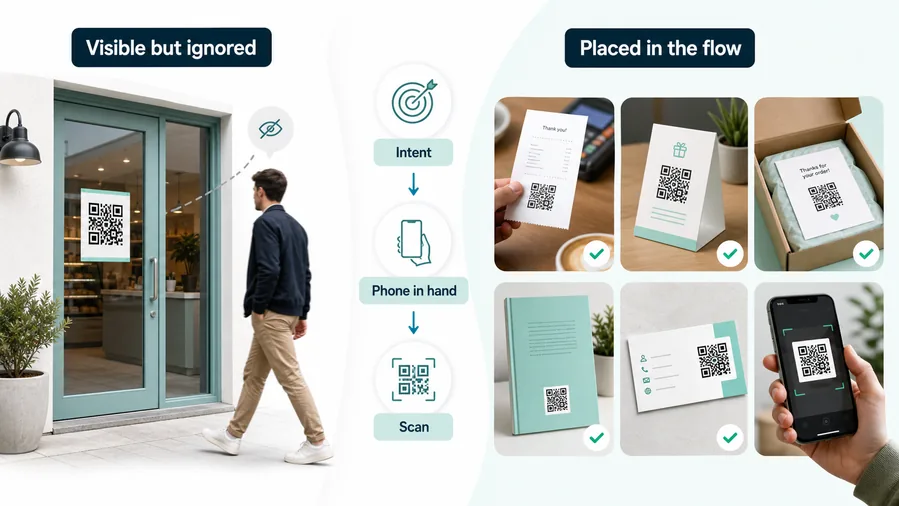
One generic QR cannot handle every video job
A portfolio card, event sign, invoice, and delivery card all need different destinations.
If the printed CTA does not name the action, clients may land on the wrong page or miss the value.
Put the QR beside the media action it supports
Use cards for reels, proposals for booking, signs for livestreams or uploads, invoices for payment, and delivery cards for galleries or reviews.
The first screen should match the client’s stage in the project.
Who is scanning?
Prospect, couple, event planner, guest, client, vendor, editor, or returning customer.
What should open first?
Portfolio, inquiry, package, schedule, upload, livestream, gallery, invoice, review, or referral.
Will the destination change?
Use dynamic QR for reels, packages, booking pages, calendars, galleries, payment links, and event resources.
Does the page show the right brand?
Creative work, client galleries, payments, and forms should open branded, trusted destinations.
Business card
Open reel, niche portfolio, booking inquiry, and contact.
Wedding vendor brochure
Show wedding films, packages, availability, and consultation booking.
Event sign
Open livestream, agenda, guest upload, social clips, or venue details.
Proposal packet
Route to package details, contract, deposit, schedule, and brief.
Invoice
Open deposit, balance, receipt, and billing support.
Delivery card
Send clients to gallery, downloads, proofs, review, and referral.
Booth display
Use for demo reels, lead capture, calendar, and promo packages.
Equipment or crew sheet
Share call sheets, shot lists, emergency contact, and upload folders.
Videographer QR placement should match the production stage
If the scan does not help someone decide, book, shoot, view, pay, or review, it needs a sharper destination.
Scan reporting
Use videographer scan data to compare portfolios, events, delivery cards, and lead sources
AnalyticsTracking helps videographers understand which print pieces and event placements earn attention, without treating scans as booked projects or paid invoices.
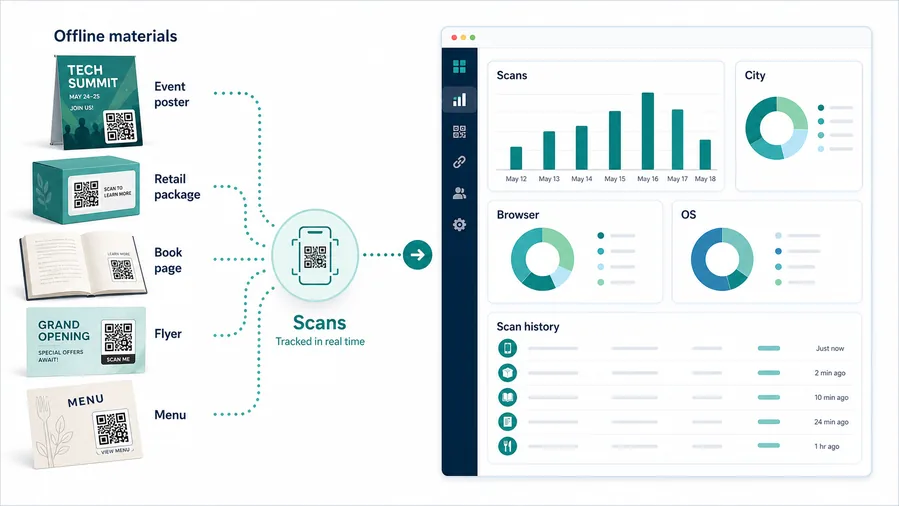
One shared video QR hides client intent
A single QR can show total scans, but it cannot tell whether people wanted a reel, inquiry form, livestream, upload folder, gallery, payment, or review page.
It also cannot compare wedding shows, brochures, business cards, invoices, and delivery cards.
Separate tracked codes make creative funnels easier to read
Use different dynamic codes for portfolio, inquiry, event, gallery, invoice, and review placements when comparison matters.
Scan data is directional, but it helps show which creative touchpoints deserve follow-up.
Scan volume
Review scans by card, brochure, booth, event sign, proposal, invoice, or delivery piece.
Timing
Check wedding fair days, event dates, proposal windows, gallery delivery, and review timing.
Broad location
Use approximate location signals to compare venues, markets, and local campaigns.
Device context
Confirm reels, galleries, forms, and downloads work well on mobile devices.
Portfolio source comparison
Compare business cards, brochures, partner displays, and wedding show materials.
Event resource usage
Measure livestream, guest upload, schedule, and gallery scans separately.
Delivery follow-up
Track gallery, proof approval, testimonial, review, and referral scans after delivery.
Cleanup stale links
Find retired reels, moved galleries, old booking pages, and expired offers still receiving scans.
Name videographer QR codes by client stage and placement
Use names like portfolio-card, wedding-show-lead, event-upload, proposal-deposit, gallery-review, or invoice-balance so reports stay readable.
Proof and booking flow
Put videographer QR codes where people are deciding whether your style fits
Good placements include business cards, expo flyers, proposal sheets, event signs, delivery cards, package inserts, pricing sheets, booth displays, review cards, and social follow signs. CTAs should say watch reel, view packages, book video, see event gallery, request quote, read reviews, or save contact. A clear promise matters because people need to know whether the scan opens proof, pricing, or booking.
Dynamic QR codes are helpful because portfolios, reels, packages, and booking links change often. You can update the destination without reprinting cards or flyers. Scan analytics can compare wedding expos, local ads, proposal sheets, and delivery cards, showing where printed materials create real interest.
Keep the first screen visual and relevant. A wedding flyer should open wedding work. A corporate card should open corporate examples. If the printed piece already sets a context, the scan should continue that context instead of dropping visitors on a general homepage. QR Code Lab manages the code and scan data while your portfolio platform handles the media.
Video feedback
Ask for videographer reviews after the final delivery and support are clear
ReviewsVideo feedback works best after clients have received files, reviewed revisions, resolved delivery questions, and understand where to ask for support.
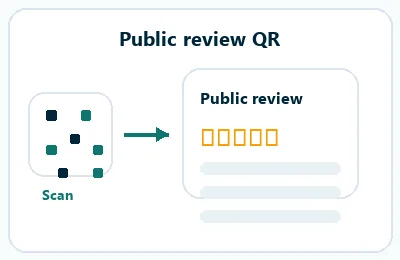
Invite reviews after the client has the final video
Use delivery cards or follow-up print when the client can judge communication, shoot experience, editing, timeline, and final files.
Wedding films, event recaps, corporate projects, real estate videos, and delivery packets. Do not ask for public praise before revision, download, or payment questions are resolved.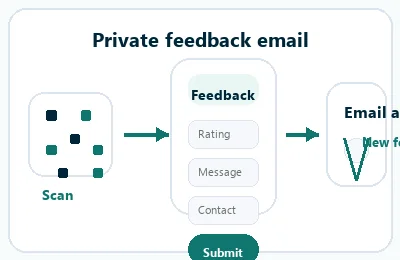
Give clients a direct path for delivery issues
Offer private feedback for missing files, download trouble, revision notes, caption errors, invoice questions, or timeline concerns.
Gallery cards, proof pages, invoices, and delivery notes. Private support should be visible beside review prompts.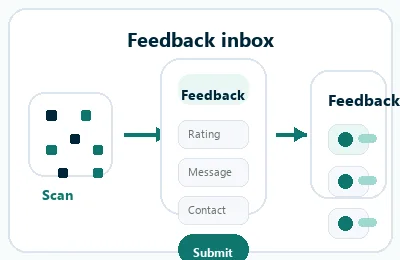
Ask for referrals when the project outcome is fresh
After support is clear, suggest testimonial, referral, next shoot, social sharing, or related video package.
Thank-you cards, gallery delivery, event follow-up, and review confirmation pages. Keep promotion separate from urgent support or payment issues.Videographer review QR codes should protect client confidence
The scan should make feedback and support easy before asking for public praise or referral.
Scan trust
Make videographer QR codes trustworthy before clients book, upload files, pay, or open galleries
TrustVideographer QR codes may open portfolios, private galleries, upload folders, booking forms, invoices, reviews, and client support. The destination should clearly belong to the creator or studio.

Anonymous upload or gallery links
Clients and guests may hesitate to upload files or open private galleries if the page does not show the videographer or event identity.
Watch for similar-looking domains, long URLs, login or verify keywords, and pages asking for credentials after an unexpected scan.
Outdated portfolio and booking pages
Moved reels, retired packages, old calendars, and stale gallery links create friction during lead capture and delivery.
A trustworthy QR should not make the final destination mysterious, especially on posters, labels, menus, parking signs, or event materials.
Unclear invoices or deposits
Payment pages need project, date, package, provider, receipt, and support context before money moves.
Before paying, check the domain, HTTPS, amount, recipient, and whether the destination matches the place or brand that printed the QR.Scan the printed proof before people rely on it
Confirm the destination shows the right brand, couple, event, gallery, form, booking page, payment page, or support path before distributing print.
A QR code removes typing, but the page still has to prove that it belongs to the event, creator, or business.Decoded destination
Check whether the QR opens the current reel, inquiry, upload, gallery, payment, review, or support page.
Brand identity
Confirm the page shows the videographer, studio, event, or client project before forms or payment.
Privacy context
Keep private galleries, uploads, client files, and proof pages on trusted destinations.
Payment context
Verify deposits, balances, invoices, receipts, and support before printing payment QR codes.
Publish QR codes people can verify
The printed CTA, destination title, brand identity, and first action should all describe the same promise.