
QR Code for Taxis - Booking, Tips, Reviews & Lost Items
Create QR codes for taxis linking booking pages, dispatcher contacts, tip pages, reviews, fare info, lost-item forms, maps, and contact cards. Use them on seat cards, receipts, windows, and decals.
Free QR code generator
Create a QR code online
Generate QR codes for websites, email, phone numbers, vCards, Wi-Fi, plain text, forms, PDF files, and campaign links. Customize colors, add a logo or frame, then download a print-ready PNG or SVG.
Choose QR code type
Website QR code, Email QR code, Phone QR code, vCard QR code, Wi-Fi QR code, Text QR code, SMS, WhatsApp, event, and download links.
Add your content
Enter your website URL, contact details, message, phone number, location, or file destination before generating the QR code.
Customize and download
Adjust QR colors, error correction, logo, frame, size, and margin. Generate QR Code, Download PNG, Download SVG, or Save and track scans.
Ride passenger path
Help taxi passengers book, tip, review, save contact, and recover lost items
A QR code for taxis is useful when passengers need a quick mobile path from a seat sticker, window decal, receipt, business card, airport sign, hotel card, or dashboard notice to the right action. It can open booking pages, dispatcher contacts, tip links, review pages, fare information, lost-item forms, maps, company details, and contact cards.
Taxi QR codes work best when they support the passenger moment. During the ride, a seat sticker can open fare rules, company contact, or a tip page. After the ride, a receipt code can open reviews, lost-item help, or rebooking. At a hotel or airport, a card can open the dispatcher or booking page. QR Code Lab helps create print-ready dynamic codes and scan analytics for fleet, vehicle, location, or campaign placements.
QR Code Lab creates URL QR codes and tracks scans. It does not dispatch rides, process payments, collect tips, manage drivers, store lost-item reports, or operate a taxi system. Your booking page, payment provider, review platform, form tool, or dispatcher system handles the passenger action.
Taxi passenger moments
Taxi passenger moments delivery, taxi, tour, and mobility teams with booking, tips, reviews, trip details, inventory, and leads
Ride flowUse QR codes to move delivery, taxi, tour, and mobility teams from vehicles, receipts, signs, tickets, and printed handouts to booking, tips, reviews, trip details, inventory, and leads without asking riders, customers, or leads to type a long URL.

Make booking and contact easy from the vehicle
Use taxi decals, seat cards, hotel cards, and receipts to open booking, dispatch, fare info, route support, saved contact, or next-ride pages.
The scan should show the taxi company or driver context clearly.
Support payments, tips, and receipts without confusion
QR codes can open trusted payment, tip, invoice, receipt, lost-item, and customer-support pages when the printed CTA explains the exact purpose.
Payment scans need company identity and trip context.
Collect reviews after the ride
Use receipts and seat cards for private feedback, public reviews, driver compliments, complaints, lost items, referrals, and next-ride promotions.
Give unhappy passengers a fair support path before asking for ratings.A taxi QR code should fit the passenger’s ride moment
Passengers may be booking, riding, paying, tipping, finding a receipt, reporting an issue, or saving the company for later. The destination should make that action quick and trustworthy.
Use specific CTAs: book ride, pay fare, tip driver, get receipt, review ride, report lost item, or save contact.Booking and dispatch
Open booking, dispatch, saved contact, pickup instructions, airport or hotel ride pages.
Fare and payment
Explain fare, payment provider, tip, receipt, invoice, and support before checkout.
Ride support
Give passengers a path for lost items, complaints, compliments, accessibility, and safety concerns.
Fleet reporting
Use separate codes by vehicle, driver group, hotel card, airport sign, or receipt when comparison matters.
Taxi customer moments
Turn taxi print into bookings, tips, receipts, reviews, support, and repeat rides
Taxi growthTaxi QR codes work when they match the passenger stage: needing a ride, sitting in the car, paying, tipping, requesting a receipt, reporting a lost item, reviewing, or booking again.

Make the next ride easy to request
Open booking, dispatch, phone, app download, airport transfer, hotel pickup, or saved contact from decals and cards.

Give passengers a clear fare or payment path
Use seat cards and receipts for payment links, invoice requests, fare explanations, tips, and billing support.

Make tipping optional and easy to understand
Open trusted tip pages with company or driver context and a visible receipt or support path.

Help passengers get trip documents later
Route receipts, invoices, business travel records, lost-item forms, and ride support from printed receipts or cards.

Ask for feedback after the ride
Use receipts and seat cards for public reviews, private complaints, driver compliments, and service recovery.

Turn a completed ride into repeat business
Send passengers to saved contact, corporate booking, airport transfers, hotel partnerships, coupons, and referral pages.
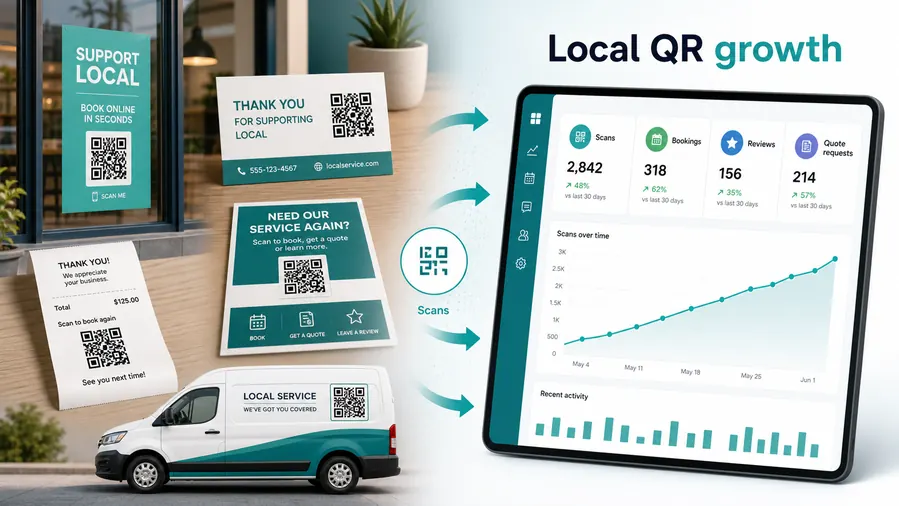
Passengers scan when the ride action is immediate
The destination should help them book, pay, tip, get a receipt, report an issue, review, or save the service without typing during a rushed trip.
Editable taxi QR helps fleets keep vehicle print current
Dynamic QR lets operators update booking pages, payment links, tip pages, receipt forms, lost-item support, reviews, and promotions without replacing every decal or card.
Match taxi QR placement to the passenger moment
Taxi placement
Place taxi QR codes where passengers can scan safely and understand the action
PlacementTaxi QR placement should support the ride flow without distracting the driver: booking before the ride, payment and receipt inside the car, and feedback after arrival.
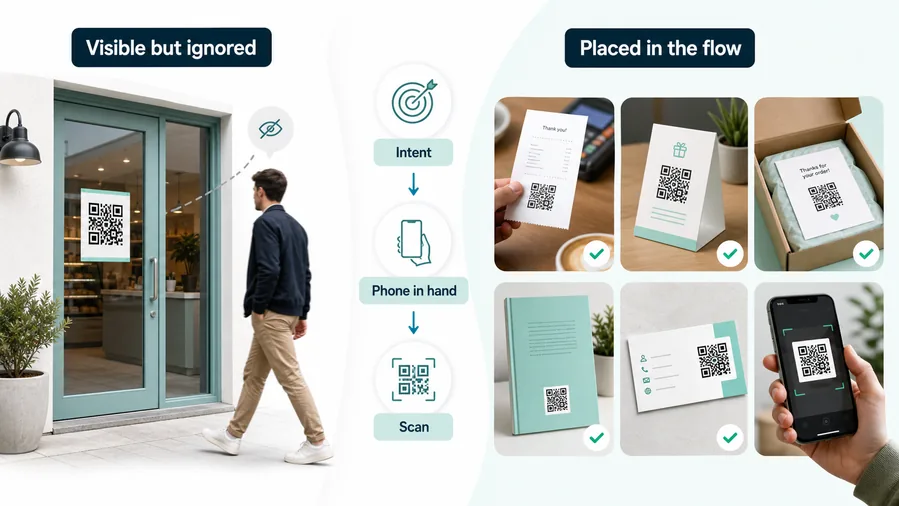
A taxi QR without a clear label feels suspicious
Passengers should not have to guess whether the scan opens payment, tip, receipt, booking, review, or support.
Public vehicle codes also need enough context to avoid looking like random stickers.
Put the code beside the passenger action
Use seat cards for payment, tip, receipt, and review; window decals for booking; receipts for invoices and support; hotel cards for dispatch.
The destination should show company, fleet, or driver context before asking for action.
When will the passenger scan?
Before booking, while seated, after payment, at hotel pickup, at the airport, or after finding a receipt.
What should open first?
Booking, dispatch, payment, tip, receipt, invoice, review, lost-item form, support, or saved contact.
Can the code be scanned safely?
Place QR codes where passengers can scan while stopped, seated, or after the ride, not where scanning distracts driving.
Will the link change?
Use dynamic QR for payment providers, booking pages, tip links, receipt forms, and fleet support paths.
Back-seat card
Best for payment, tip, receipt, review, lost items, and customer support.
Window decal
Use for booking, app download, phone contact, airport transfer, and company profile.
Printed receipt
Open invoice request, expense receipt, review, complaint, compliment, or lost-item form.
Driver card
Share saved contact, booking, business rides, reviews, and repeat customer offers.
Hotel desk card
Route guests to dispatch, airport transfer, reservation, fare info, and local support.
Airport queue sign
Open booking rules, pickup zones, fare guidance, payment options, and support.
Fleet poster
Use for driver recruitment, corporate accounts, app installs, and service updates.
Luggage tag insert
Connect travelers to lost-item support, receipt help, and next-ride booking.
Taxi QR placement should be useful and calm
If the code creates doubt about payment, safety, driver identity, or support, the CTA and destination need more clarity.
Scan reporting
Use taxi scan data to compare vehicles, cards, receipts, and ride moments
AnalyticsTracking helps taxi companies compare where passengers scan: inside vehicles, on receipts, at hotels, at airports, or from local booking materials.
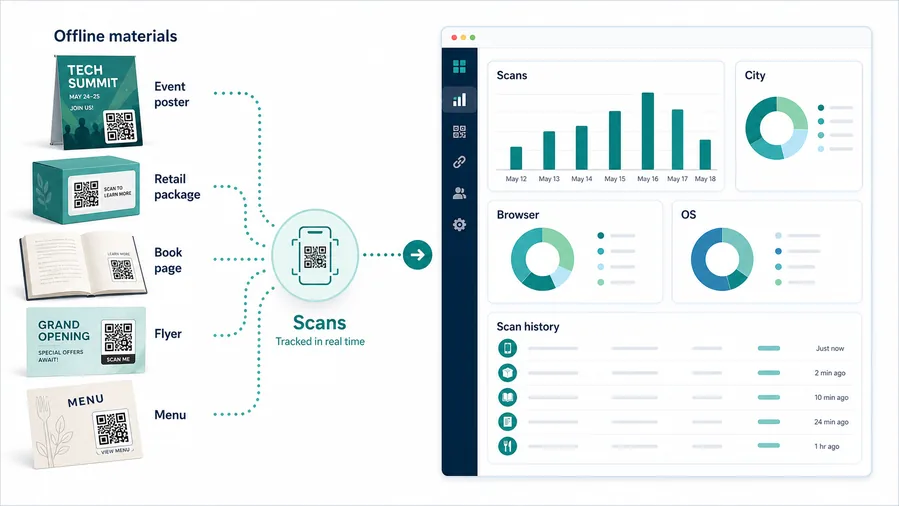
One shared taxi code hides the ride context
A single QR can show total scans, but it cannot tell whether passengers scanned from a seat card, receipt, window decal, hotel card, airport sign, or driver card.
It also cannot separate booking, payment, tip, receipt, review, and support intent.
Separate tracked codes make fleet signals clearer
Use different dynamic codes for vehicles, cards, receipts, hotels, airports, and campaigns when comparison matters.
Scan data is not completed rides or payments, but it helps show where passenger attention and support needs appear.
Scan volume
Review scans by vehicle, placement, campaign, hotel partner, airport sign, receipt, or driver card.
Time and device
Check commute periods, airport windows, late-night rides, and mobile device patterns.
Broad location
Use approximate location signals to understand service-area patterns without identifying passengers.
Destination health
Compare scans with booking, payment, receipt, review, and support systems to spot drop-offs.
Vehicle placement reporting
Compare seat cards, decals, and receipts by vehicle or fleet group.
Partner cards
Measure hotel, airport, venue, and local business booking cards separately.
Payment and receipt paths
Track whether passengers open tip, receipt, invoice, or support pages after rides.
Support cleanup
Find old payment links, retired booking pages, or stale receipt forms still receiving scans.
Name taxi codes by vehicle, placement, and action
Use names like cab-214-seat-tip, airport-booking, hotel-card-dispatch, receipt-review, or decal-app so reports stay readable.
Ride feedback
Ask taxi passengers for reviews while keeping support and complaints easy to reach
ReviewsTaxi review QR codes should invite feedback after the ride while keeping private support visible for lost items, fare questions, safety concerns, accessibility, or driver issues.
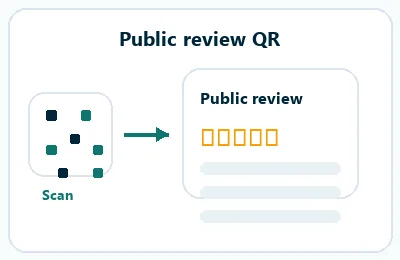
Invite reviews after a completed ride
Use receipts and seat cards when the passenger has arrived and can judge punctuality, cleanliness, comfort, route, and driver professionalism.
Receipts, back-seat cards, hotel cards, airport transfer follow-up, and repeat-ride offers. Do not make review prompts feel like the only way to report a problem.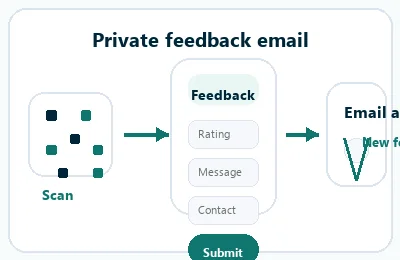
Give passengers a direct issue path
Offer private feedback for lost items, fare questions, safety concerns, accessibility issues, route complaints, payment problems, and receipt help.
Seat cards, receipts, payment pages, support cards, and after-ride messages. Support should be visible before asking for public ratings.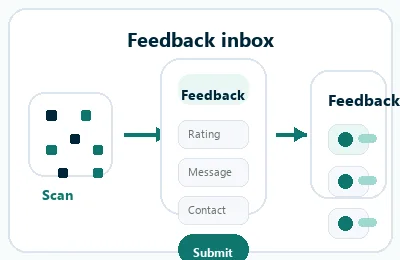
Invite the next ride after the experience is handled
After feedback and support paths are clear, suggest saved contact, app download, airport transfer, corporate rides, or referral offers.
Receipts, driver cards, hotel cards, and review confirmation pages. Do not mix urgent safety support with promotion.Taxi review QR codes should make service recovery easy
A good review flow invites praise without trapping unhappy passengers away from real support.
Seat, receipt, and hotel flow
Place taxi QR codes where passengers already have the phone in hand
Useful placements include seatback stickers, window decals, receipts, business cards, hotel lobby cards, airport counter signs, luggage tags, dispatcher cards, and ride-share alternatives signs. CTAs should say book taxi, tip driver, leave review, get receipt help, report lost item, save number, see fares, or call dispatcher. Each code should point to one clear passenger need.
Dynamic QR codes are practical because booking pages, dispatcher contacts, tip links, review pages, and fare information can change. A fleet can keep printed stickers in cars while updating the destination. Scan analytics can compare vehicles, hotel cards, airport signs, and receipts, which helps the business understand where passenger engagement actually happens.
Make the destination easy to trust. A passenger may be scanning in a moving car, late at night, or after a trip. Show the taxi company name, the promised action, and a simple mobile layout. QR Code Lab can manage the code destination and scan counts, while the taxi system handles dispatch, payments, reports, and driver operations.
Payment boundary
Use taxi payment QR codes for fares, tips, receipts, invoices, and support with clear ride context
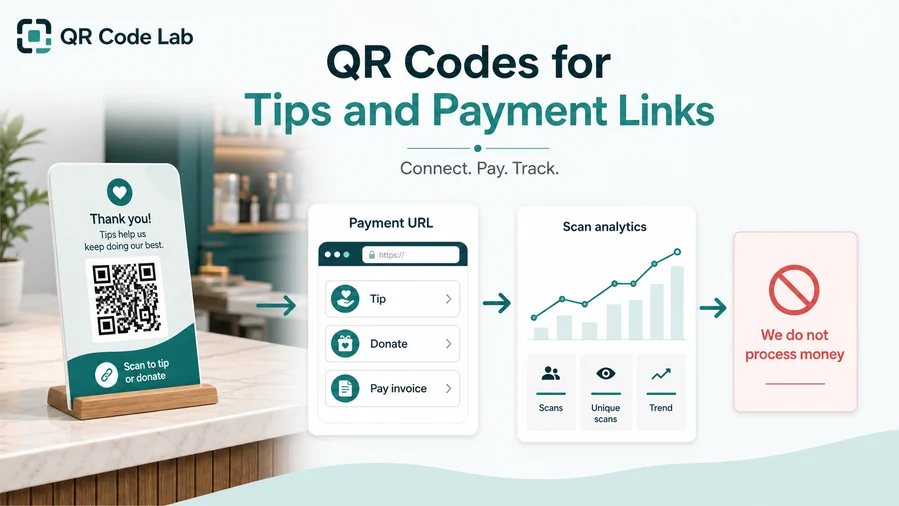
PaymentsA taxi payment QR should make clear whether the passenger is paying a fare, adding a tip, requesting a receipt, paying an invoice, or opening billing support.
Fare payment
Open trusted payment pages from seat cards or receipts with company, vehicle, trip, fare, and provider context where possible.
Tips
Let passengers tip through a clear optional path that shows company or driver context and receipt expectations.
Receipts and invoices
Route business travelers to receipts, expense invoices, billing support, and trip documentation.
The QR opens a trusted payment page; it does not process money inside QR Code Lab
Keep checkout, receipts, refunds, disputes, deposits, tips, balances, and payment confirmation inside the restaurant, studio, taxi, booking, or payment provider.
A scan shows that someone opened the payment path, not that payment was completed.Taxi payment QR codes need ride and company clarity
Passengers should know who they are paying, what the payment covers, and where to get help before checkout.
Scan trust
Make taxi QR codes trustworthy before passengers pay, tip, review, or request support
TrustTaxi QR codes are often public and may open payments, tips, booking, receipts, lost-item forms, and reviews. The destination should clearly belong to the taxi company or driver program.

Unofficial stickers in vehicles
Public taxi QR codes can be replaced or covered, especially when they open payment, tip, or review pages.
Watch for similar-looking domains, long URLs, login or verify keywords, and pages asking for credentials after an unexpected scan.
Unclear fare or payment pages
Passengers need company, vehicle, driver, trip, amount, provider, receipt, and support context before paying.
A trustworthy QR should not make the final destination mysterious, especially on posters, labels, menus, parking signs, or event materials.
Wrong support destination
Lost-item, complaint, receipt, and booking links should route to current fleet support, not an old form or generic page.
Before paying, check the domain, HTTPS, amount, recipient, and whether the destination matches the place or brand that printed the QR.Scan the printed proof like a customer
Confirm that the destination shows the right brand, HTTPS page, action, price or booking context, and support path before people rely on it.
Public QR codes need more trust signals because anyone can scan them and some placements can be tampered with.Decoded destination
Check that the QR opens the current booking, payment, tip, receipt, review, or support page.
Company identity
Confirm the page shows the taxi company, fleet, driver program, or dispatch context before action.
Payment context
Verify fare, tip, receipt, invoice, provider, and support details before printing.
Vehicle inspection
Check seat cards, decals, and receipts for sticker tampering, damage, and outdated links.
Publish QR codes people can verify
The printed CTA, page title, business identity, and first action should all describe the same destination.