QR Code for Photographers - Galleries, Booking & Portfolios
Create QR codes for photographers linking galleries, booking pages, portfolios, lead forms, reviews, pricing pages, social profiles, and contact cards. Use them on cards, albums, flyers, and displays.
Free QR code generator
Create a QR code online
Generate QR codes for websites, email, phone numbers, vCards, Wi-Fi, plain text, forms, PDF files, and campaign links. Customize colors, add a logo or frame, then download a print-ready PNG or SVG.
Choose QR code type
Website QR code, Email QR code, Phone QR code, vCard QR code, Wi-Fi QR code, Text QR code, SMS, WhatsApp, event, and download links.
Add your content
Enter your website URL, contact details, message, phone number, location, or file destination before generating the QR code.
Customize and download
Adjust QR colors, error correction, logo, frame, size, and margin. Generate QR Code, Download PNG, Download SVG, or Save and track scans.
Creative booking path
Connect printed photo proof with galleries, portfolios, pricing, and booking
A QR code for photographers is useful when business cards, album inserts, print packaging, wedding expo flyers, studio displays, thank-you cards, and event signs should open the next client action. It can open galleries, booking pages, portfolios, lead forms, review pages, pricing pages, social profiles, and contact cards. Wedding photographers, portrait studios, event photographers, and local creative service providers can use QR codes to turn offline attention into a clear digital path.
Photography is a visual service, so the QR destination should usually show proof before asking for commitment. A business card can open a portfolio and booking page. A wedding expo flyer can open packages. A print package insert can open a gallery. A review card can ask clients to share feedback after delivery. A social QR can help guests follow the photographer after an event, but a booking QR should lead to a stronger inquiry path than a generic profile. QR Code Lab helps create print-ready, dynamic, trackable codes.
QR Code Lab creates URL QR codes only. It does not process payments, manage galleries, collect forms, run bookings, provide professional advice, or operate photography software. The linked gallery, portfolio, booking, review, or pricing platform handles the client workflow.
Photography client moments
Turn photographer cards, galleries, event pieces, and invoices into bookings, downloads, reviews, and referrals
Photo businessA photographer QR code should match the client stage: view portfolio, book a session, open an event gallery, download images, pay an invoice, approve a proof, leave feedback, or refer another client.
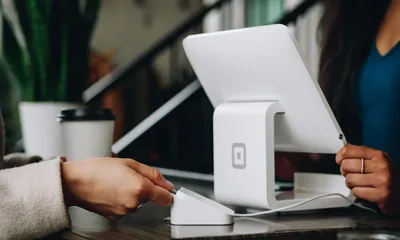
Show the right proof before the inquiry
Open wedding, portrait, newborn, real estate, product, event, or commercial galleries from cards, brochures, and booth materials.

Move interest into a qualified session request
Route prospects to packages, availability, location, style notes, session goals, and inquiry forms that fit the photography type.

Give clients and guests the correct image destination
Use gallery cards, event signs, and print inserts to open album access, downloads, proofing, favorites, and sharing instructions.

Open deposits and invoices through trusted pages
Use QR codes on proposals and invoices for retainers, session balances, print orders, licensing, and receipts.
Ask after the gallery is delivered
Use thank-you cards and delivery pages for reviews, testimonials, private feedback, and referrals after clients receive the promised images.
Turn a finished shoot into the next inquiry
Connect happy clients to referral offers, mini-session announcements, seasonal availability, and related services.
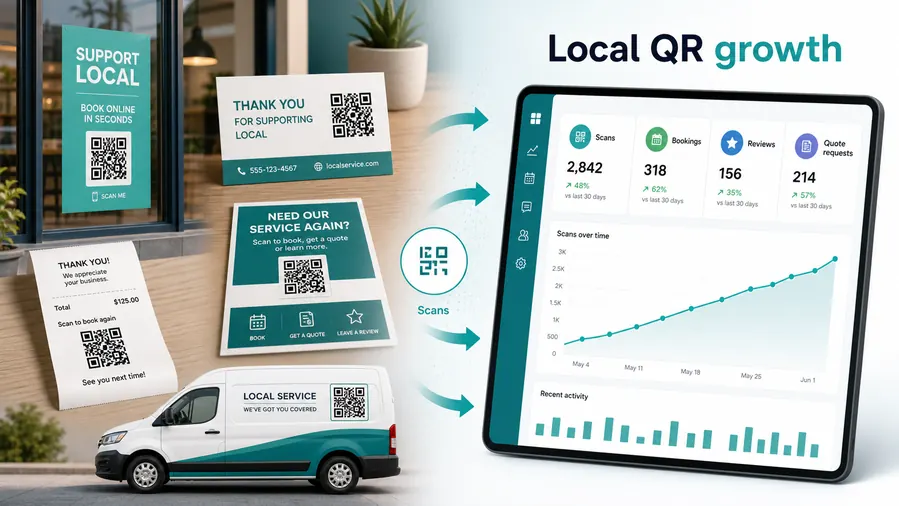
Photography clients scan because the visual result matters
The destination should show relevant proof, explain the next step, and make booking, gallery access, payment, or feedback feel effortless.
Editable QR keeps photography links current across seasons and galleries
Dynamic QR lets photographers update portfolios, gallery URLs, booking calendars, invoices, review links, and seasonal offers without replacing every card or packet.
Match each photography QR to the client action
Events, conferences, and weddings
Give photo clients and event guests the right gallery, proofing, download, and follow-up action
Attendee flowPhotography QR codes often live around events and client delivery. The scan should open the gallery, proofing page, download instructions, booking path, review request, or support contact that fits the moment.

Open the event or client gallery quickly
Use QR codes on table cards, programs, gallery cards, and delivery notes so guests and clients reach the correct album without searching email.

Make proofing and downloads easier on a phone
Route clients to favorites, selections, downloads, print ordering, usage notes, and delivery timing from a clean mobile page.

Help prospects book the same style of session
Use portfolio cards and event displays to open packages, availability, location, and inquiry forms tied to that shoot type.

Keep post-delivery feedback connected
After the useful gallery path, invite reviews, testimonials, referrals, private feedback, or next-session offers.

Speaker materials and feedback
After a session, attendees can scan a slide, poster, handout, or table sign to open slides, PDFs, worksheets, links, speaker profile, Q&A, or feedback form. The attendee gets the materials; the organizer gets a clean follow-up action.
The scanner should know whether they are opening a gallery or booking path
CTA copy should say view gallery, download photos, choose favorites, order prints, book a session, or send feedback.
Separate event and client QR codes when reporting matters
Use different dynamic QR codes for portfolio cards, event signs, gallery inserts, invoices, thank-you cards, and venue partner materials when comparison matters.
Match the QR placement to the photography workflow
Photography placement
Place photographer QR codes where clients are choosing, viewing, paying, or recommending
PlacementPhotography QR placement should match the client journey: portfolio for trust, gallery card for delivery, invoice for payment, event sign for guests, and thank-you card for review or referral.
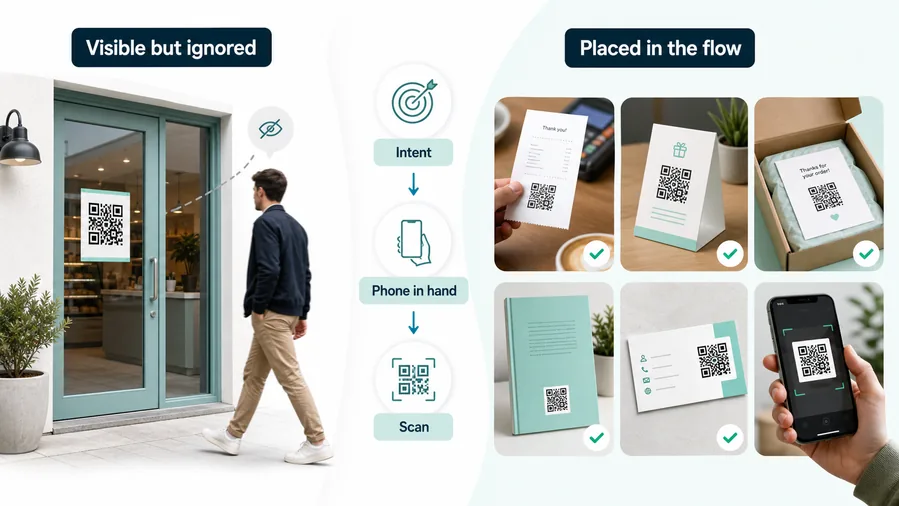
A pretty QR still needs a photography promise
Clients may not know whether the scan opens portfolio, booking, gallery, proofing, payment, or review.
Photography scans work when the visual next step is specific.
Put the code beside the image action it supports
Use portfolio cards for booking, gallery cards for downloads, invoices for payment, and thank-you cards for reviews or referrals.
The first screen should match the printed promise.
Who is scanning?
Prospective client, booked client, gallery recipient, event guest, venue partner, or past client.
What should open?
Portfolio, packages, booking, gallery, proofing, downloads, invoice, review, or referral.
Will the link change?
Use dynamic QR for gallery URLs, mini-session offers, packages, booking calendars, and invoices.
Can it scan from the printed piece?
Use enough size and contrast on cards, programs, signs, and delivery materials.
Business card
Open portfolio, packages, booking, contact, and social proof.
Event sign
Route guests to gallery, downloads, sharing, and event follow-up.
Gallery card
Open album access, favorites, download notes, print ordering, and support.
Invoice
Link payment, receipt, licensing, print order, and questions.
Proof sheet
Send clients to selections, approval, retouch notes, and delivery timing.
Venue partner card
Show relevant portfolio, packages, proof, and inquiry path.
Thank-you card
Invite reviews, testimonials, referrals, and next-session offers.
Package guide
Open detailed pricing, availability, add-ons, and consultation booking.
Photography QR placement should move visual interest into a clear next step
If the scan does not help with proof, booking, gallery delivery, payment, or referral, the placement is probably too vague.
Photography scan reading
Compare photography scans by portfolio card, gallery card, event sign, invoice, and thank-you piece
AnalyticsQR analytics can show which photography materials earn scans: portfolio cards, event signs, gallery inserts, invoices, partner cards, or thank-you notes. Use the signal to improve delivery and booking paths.
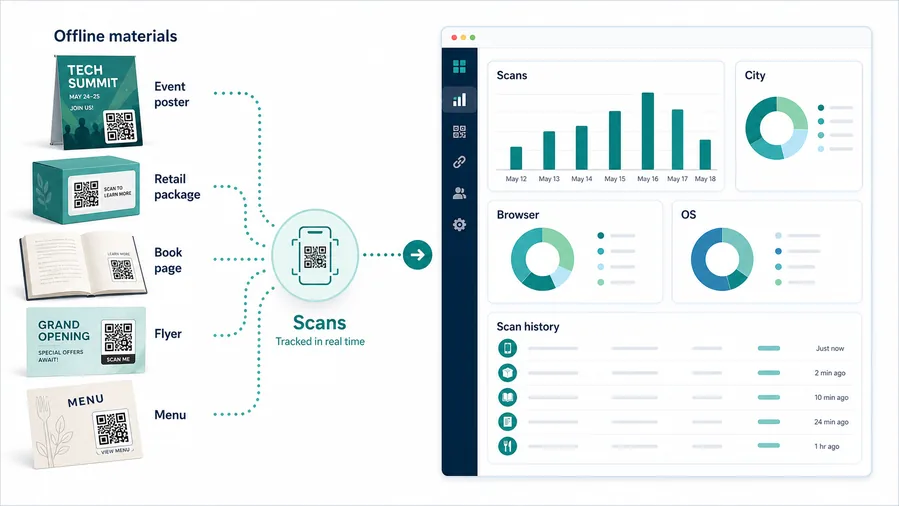
All scans become one photography total
A shared QR can show general activity, but it cannot tell whether a portfolio card, event sign, invoice, gallery insert, or thank-you card caused the scan.
Use one code only when placement comparison does not matter.
Each photography placement becomes readable
Separate dynamic QR codes let you compare booking, gallery access, payment, review, and referral placements.
The data is directional, but it helps improve print and client communication.
Scan volume
See which photography placements receive attention.
Time and device
Check when clients or guests scan and which device opens the destination.
Broad location
Use approximate location carefully for events, venues, campaigns, and local outreach.
Placement comparison
Compare cards, event signs, gallery inserts, invoices, proof sheets, and thank-you pieces.
Name codes by shoot and placement
Use names such as wedding-gallery-card, headshot-portfolio, invoice-retainer, thankyou-review, or venue-partner.
Separate gallery delivery from lead generation
Gallery, booking, payment, review, and referral codes should be separate if reporting matters.
Keep expectations realistic
Scan data shows attention and timing; bookings, gallery downloads, and payments still need their own systems.
Books and printed content
Learn whether readers open bonus pages, downloads, updates, or feedback forms from book pages.
Photography analytics work when each code has a client-stage purpose
Good naming turns scan totals into useful delivery, sales, and follow-up decisions.
Portfolio and delivery flow
Place photographer QR codes where people look at images or plan a session
Useful placements include business cards, album inserts, print packaging, wedding expo flyers, event signs, gallery cards, pricing sheets, thank-you cards, review cards, and studio displays. CTAs should say view portfolio, book session, open gallery, see pricing, follow work, request quote, download photos, or leave review. A QR code on a print package can also guide clients to reorder, download, or share photos.
Dynamic QR codes help when galleries expire, booking pages change, packages update, or seasonal offers move. Scan analytics can compare expos, packaging inserts, studio signs, and review cards. QR Code Lab manages the code destination and scan data, while the gallery, booking, and payment systems remain responsible for images, contracts, and client records.
Make the first screen visual and relevant. A wedding flyer should open wedding work. A family print package should open that gallery or reorder path. Generic portfolio pages are weaker when the print already tells you what the client cares about. For review cards, send clients to one clear review destination after delivery.
Photography feedback
Ask photography clients for reviews after the gallery promise has been delivered
ReviewsPhotography feedback works best after clients have seen the gallery, proofing process, or final delivery. Keep public reviews, private concerns, referrals, and testimonials clearly separated.
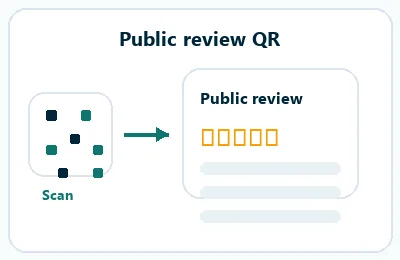
Invite reviews after gallery delivery
Use thank-you cards, delivery pages, and follow-up materials to ask for a review once the client has received the images.
After weddings, portraits, events, product shoots, headshots, and commercial delivery. Do not ask for a review before unresolved gallery or retouching issues are handled.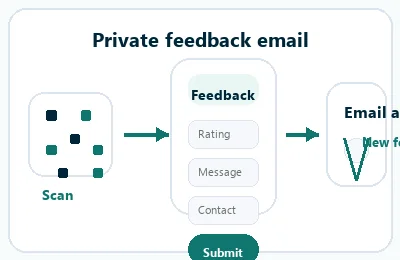
Give clients a direct path for gallery or service concerns
Offer private feedback for delivery timing, image selection, retouching, communication, usage questions, or print issues.
Gallery delivery, proofing notes, invoice follow-up, and thank-you cards. Keep support visible beside review prompts.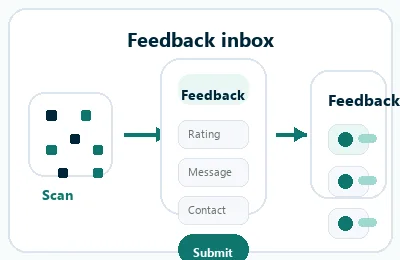
Turn a happy gallery moment into future work
After gallery access and support, invite testimonials, referrals, venue introductions, or next-session offers.
Thank-you cards, gallery close pages, venue partner packets, and referral cards. Lead with delivered value before promotion.Photography review QR codes should follow a completed client experience
The scan should invite honest feedback after the visual promise has been fulfilled.
Gallery trust
Make photography QR codes clear before clients open galleries, payments, or proofs
TrustPhotography QR codes may open galleries, proofing, payments, booking, reviews, or referrals. The printed code and destination should clearly match the photographer, client, shoot, or event.

Wrong gallery links
A reused card or stale destination can send clients or guests to the wrong album.
Watch for similar-looking domains, long URLs, login or verify keywords, and pages asking for credentials after an unexpected scan.
Unclear payment pages
Retainers, balances, print orders, and licensing fees need photographer and session context before checkout.
A trustworthy QR should not make the final destination mysterious, especially on posters, labels, menus, parking signs, or event materials.
Vague sharing prompts
Guests should know whether they are downloading, sharing, ordering prints, or opening a booking page.
Before paying, check the domain, HTTPS, amount, recipient, and whether the destination matches the place or brand that printed the QR.Scan like a client before delivery
Confirm the first screen matches the printed CTA, shows the photographer or event identity, and opens current gallery, booking, payment, review, or support content.
The current detailed report is a static URL analysis. It helps reveal the encoded content and basic URL risk signals, but it does not guarantee that a destination is safe and does not replace browser, antivirus, payment, or bank security checks.Decoded content
See the raw value inside the QR before opening it.
Content type
Recognize URL, Wi-Fi, mailto, phone, SMS, vCard, or plain text.
URL risk signals
Review HTTPS, shorteners, IP addresses, long URLs, encoded characters, query parameters, and sensitive keywords.
Destination report
For URL codes, view final URL fields, static redirect report fields, domain fields, TLS placeholders, page metadata fields, and risk reasons.
Make your own QR codes easier to trust
A safe-looking QR code is not only about security. It is also about reducing uncertainty for the scanner. Use clear destination text, a branded landing page, normal HTTPS domains, and a visible explanation of what happens after scanning.