QR Code for Dentists - Patient Forms, Reviews & Aftercare
Create QR codes for dentists linking patient forms, appointment pages, reviews, payment pages, insurance info, aftercare guides, and maps. Use them on front desks, cards, reminders, and forms.
Free QR code generator
Create a QR code online
Generate QR codes for websites, email, phone numbers, vCards, Wi-Fi, plain text, forms, PDF files, and campaign links. Customize colors, add a logo or frame, then download a print-ready PNG or SVG.
Choose QR code type
Website QR code, Email QR code, Phone QR code, vCard QR code, Wi-Fi QR code, Text QR code, SMS, WhatsApp, event, and download links.
Add your content
Enter your website URL, contact details, message, phone number, location, or file destination before generating the QR code.
Customize and download
Adjust QR colors, error correction, logo, frame, size, and margin. Generate QR Code, Download PNG, Download SVG, or Save and track scans.
Dental patient path
Help dental patients reach forms, appointments, aftercare, and reviews
A QR code for dentists is useful when patients need a trusted link from an appointment card, reception sign, intake packet, aftercare sheet, invoice, or reminder postcard. It can open patient forms, appointment pages, review pages, payment pages, insurance information, aftercare guides, maps, contact pages, and patient portal links. Dentists, dental offices, orthodontists, hygienists, clinics, and patient care teams can use QR codes to make common office tasks easier.
The scan should be explicit and reassuring. Patients should know whether they are opening a form, appointment page, aftercare guide, payment page, insurance note, or review request before scanning. QR Code Lab helps create print-ready codes, dynamic links, and scan analytics so the office can update destinations and see which printed materials get used.
That can reduce repeated front desk questions while still keeping official patient systems in charge.
QR Code Lab creates URL QR codes only. It does not provide medical advice, collect patient data, process payments, manage appointments, or operate dental practice software. The dental office's approved systems handle forms, payments, appointments, records, and care instructions.
Dental patient access
Help dental patients open forms, booking, reviews, payments, and follow-up care
Dental flowA dentist QR code should reduce front-desk friction while keeping patient trust intact: book an appointment, complete intake, read pre-visit notes, pay through a provider, leave feedback, or open after-care instructions.

Move patients from print to the exact dental action
Use QR codes on appointment cards, reception signs, referral sheets, reminder cards, hygiene packets, and treatment handouts to open booking, new-patient forms, directions, insurance notes, or after-care resources.
The scan should remove a small administrative step, not send patients to a broad homepage.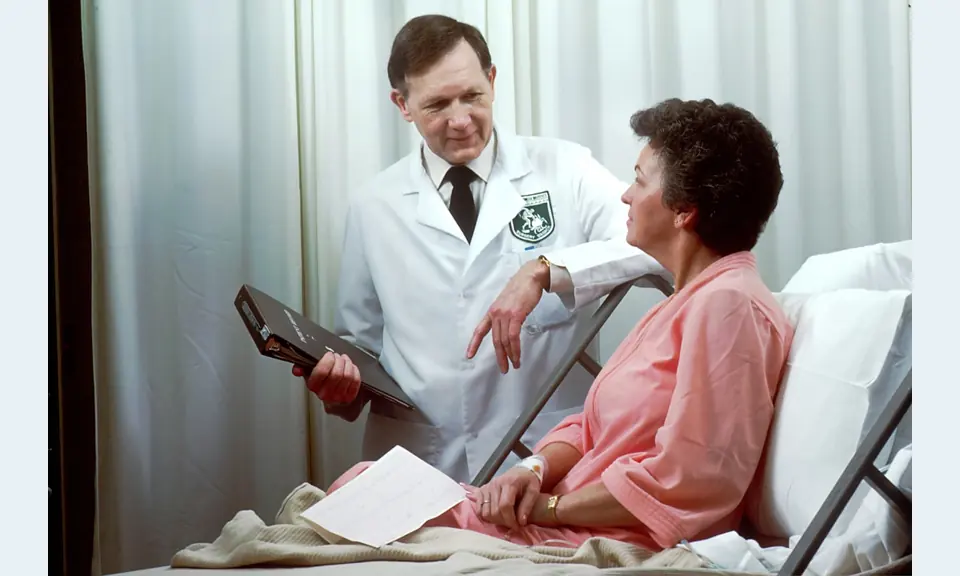
Make pre-visit and after-care instructions easier to reach
A QR destination can organize forms, parking notes, procedure preparation, post-treatment care, warranty notes, finance links, and follow-up scheduling in a phone-friendly way.
Patients should immediately understand what they are opening and why.
Keep printed dental materials current
Dynamic QR helps when forms, booking tools, payment providers, review pages, insurance instructions, or care resources change after cards and brochures are printed.
Dental print materials should stay stable while destinations stay editable.A dental QR code should make the patient journey easier, not less certain
Patients may be booking, checking in, paying, reviewing, or reading after-care instructions. The destination should match the printed CTA exactly and keep sensitive actions on trusted systems.
Use clear CTAs such as complete forms, book cleaning, pay bill, leave feedback, get after-care instructions, or refer a patient.Before visit
Open booking, intake forms, insurance notes, directions, and preparation instructions.
At clinic
Route to check-in, Wi-Fi, patient resources, payment provider, or private feedback.
After treatment
Provide care instructions, review paths, follow-up scheduling, and support contact.
Referral materials
Send new patients to services, proof, booking, and what-to-expect pages.
Patient scan experience
Make dental QR destinations clear before patients share information or pay
Scan UXDental QR codes often open forms, booking, payment providers, reviews, or after-care pages, so the first screen should confirm the clinic and the exact patient task.
Appointments should be visible immediately
Cleaning, consultation, emergency visit, follow-upWhen a QR promises booking, the destination should show the correct appointment path, clinic location, and contact options without a long navigation search.
Keep forms short enough for phone use and clear about what the patient needs to complete.
Intake and consent pages need trust context
New-patient forms, insurance, history, consentIf the QR opens patient forms, the page should explain the purpose and show the dental practice identity before asking for information.
Use appropriate systems for sensitive details and avoid collecting unnecessary information through broad public forms.
Instructions should be easy to revisit
Post-treatment notes, rebooking, support, paymentPatients may reopen after-care instructions later, so keep the destination organized, calm, and mobile-readable.
Payment and review paths should be clearly separated from clinical instructions.
Does the first screen match the printed CTA?
Complete forms, book cleaning, pay bill, or read after-care instructions should open exactly that destination.
Can a patient finish the task on a phone?
Use clear buttons, short forms, fast pages, and readable instructions.
Is the destination recognizable and appropriate?
Forms and payments should show dental-practice identity and trusted provider context.
Dental QR codes should reduce patient uncertainty
Use the scan to simplify patient logistics while keeping forms, payments, reviews, and care resources clear.
Dental placement
Place dentist QR codes where patients already need the next step
PlacementDental QR placement should follow real patient moments: appointment reminder, reception, treatment handout, checkout, referral card, or take-home care instructions.
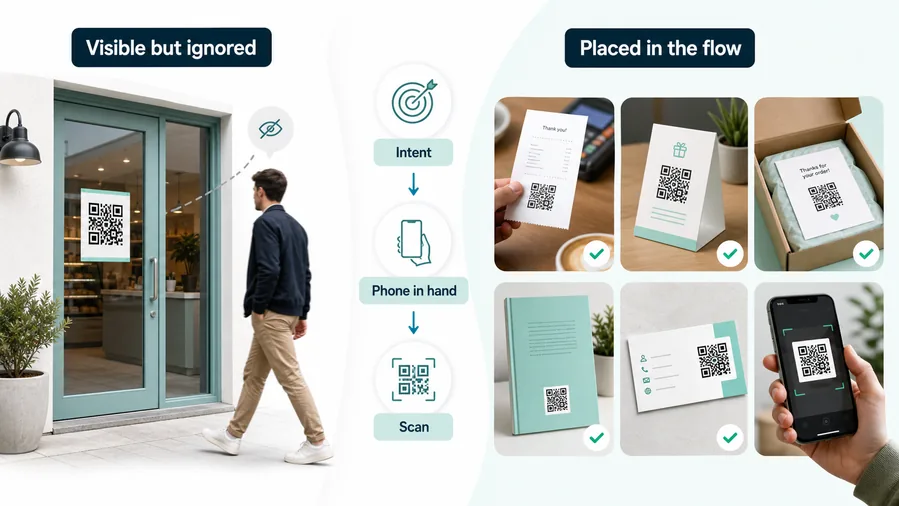
A vague QR adds anxiety to a clinic task
A QR code on a dental sign can be visible but unclear if it does not say whether it opens forms, booking, payment, reviews, or instructions.
Patients should not have to scan to discover the purpose.
The QR names one dental action
Attach the code to a direct CTA such as complete intake, book cleaning, pay bill, leave review, or read after-care instructions.
The destination should match the printed promise immediately.
What stage is the patient in?
Booking, arrival, waiting, checkout, treatment follow-up, referral, or review.
What should happen next?
Complete forms, schedule, get directions, pay through provider, review, read instructions, or contact the clinic.
Is the action private enough?
Forms, payments, and treatment-related resources should use trusted destinations and clear purpose.
Can staff explain the code quickly?
Every printed dental QR should be easy for front-desk and clinical staff to describe in one sentence.
Appointment card
Open booking, rescheduling, directions, preparation notes, and contact details.
Reception sign
Route to intake forms, payment provider, Wi-Fi, private feedback, or patient resources.
Referral card
Send new patients to services, first-visit information, reviews, and booking.
Treatment handout
Link to after-care instructions, follow-up scheduling, warning signs, and support contact.
Checkout note
Open payment, review, feedback, rebooking, or hygiene reminders.
Hygiene packet
Provide care videos, product instructions, recall booking, and patient education.
Insurance note
Route to documents, finance options, billing contact, and required forms.
Community flyer
Open new-patient offer, location, services, and appointment request.
Dental QR placement should make the patient task obvious
Keep each code tied to one patient action and avoid vague destinations.
Dental feedback
Ask dental patients for reviews without hiding private feedback
ReviewsDental review QR codes should be used after the visit, with clear public-review and private-feedback paths that respect patient comfort.
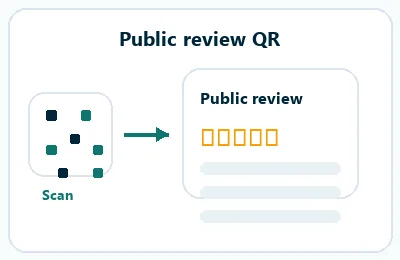
Ask satisfied patients after care is complete
Use checkout cards, follow-up notes, and hygiene packets when the patient has completed the visit and can choose to share a public service experience.
After cleanings, routine visits, completed treatment, and helpful front-desk interactions. Do not pressure patients or invite disclosure of private health details in public reviews.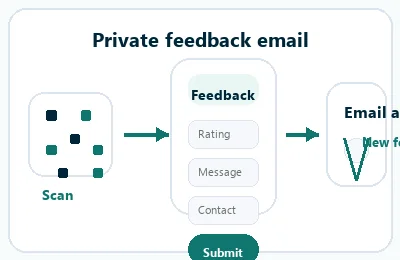
Give concerns a direct clinic route
Use a private feedback form for scheduling issues, billing questions, wait time, comfort concerns, or service problems that staff should handle directly.
Checkout cards, follow-up messages, patient packets, and reception materials. Keep private forms focused and avoid unnecessary health details.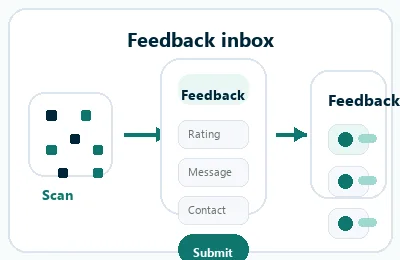
Help happy patients share the practice clearly
Referral QR codes can open first-visit information, services, location, reviews, and appointment booking for friends or family.
Referral cards, hygiene bags, community events, and thank-you materials. Keep referral copy informational and avoid clinical promises.Dental review QR codes should build trust gently
Use QR codes to make reviews and private feedback easy while keeping the patient in control.
Office flow
Use QR codes to reduce waiting-room and front-desk friction
Use dentist QR codes on appointment cards, reception signs, intake packets, aftercare sheets, insurance info cards, invoices, review cards, reminder postcards, and patient education handouts. The CTA should say complete form, book appointment, read aftercare, pay bill, open insurance info, get directions, or leave review. Sensitive actions should always look official and easy to verify.
Dynamic QR codes help when forms, aftercare instructions, appointment links, insurance pages, and payment destinations change. For patient-facing links, avoid vague short links and send people to recognizable office pages or approved portals. QR Code Lab analytics can show which printed materials move patients to the right destination, while patient data, payments, appointments, and reviews remain in your dental systems. Test the QR code from a phone in the actual office lighting before printing cards in bulk.
For aftercare, link to the exact procedure instructions when possible. A patient leaving the office should not need to search through a large dental website. For forms and payments, use the office-approved portal and make the destination name match the printed sign.
Payment boundary
Use dentist QR codes for payment links, not payment confirmation
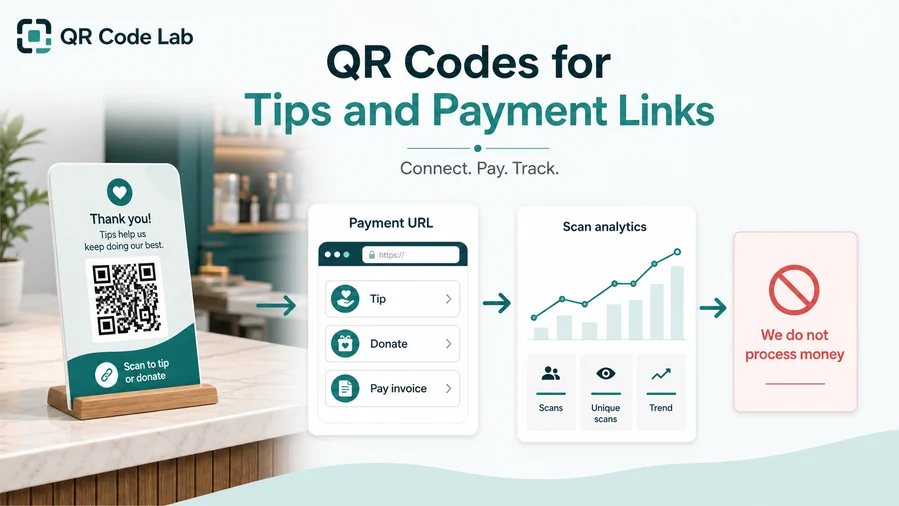
PaymentsQR Code Lab can open a trusted bill-pay, deposit, finance, invoice, or checkout page. The dental payment provider or billing system handles processing, receipts, refunds, disputes, and paid-status confirmation.
Open dental bill-pay links faster
Use QR codes on statements, checkout cards, and treatment packets so patients can reach the correct provider page without typing.
Support deposits and treatment balances clearly
If the practice uses deposits, treatment-plan balances, or financing pages, label the purpose before the scan and use a trusted provider.
Keep billing destinations editable
Dynamic QR helps when provider links, billing pages, finance options, or invoice routes change after print.
A scan is not proof that the patient paid
Scan analytics can show that a bill-pay link opened, but only the dental billing or payment system can confirm completed payment.
Use the billing provider as the source of truth for balances, receipts, refunds, and disputes.Keep dental payment QR codes narrow and clear
Use QR to reduce typing, while payment records stay with the proper provider.
Patient trust
Make dental QR destinations recognizable before patients share data or pay
TrustDental QR codes can open forms, payment pages, reviews, and care resources, so the printed context and first screen should make the destination expected.

Unknown patient forms
Patients may hesitate if a QR opens forms asking for contact, insurance, history, or consent details without clear practice identity.
Use trusted systems and explain what the form is for before asking for information.
Payment confusion
Bill-pay QR codes should identify the practice, provider, amount or purpose, and billing context before payment.
Payment confirmation belongs in the billing provider, not scan analytics.
Public sign replacement
Reception signs, flyers, and public posters can become confusing if outdated or replaced QR codes remain visible.
Review public placements and remove old patient materials.Inspect dental QR destinations before printing
Before publishing, confirm the encoded destination, practice identity, CTA match, and whether the QR opens forms, payment, booking, feedback, or after-care resources.
A QR checker helps reveal the destination, but it does not replace privacy, billing, or clinic review.Decoded destination
Confirm the QR opens the intended form, booking, payment, review, or care page.
Practice identity
The first screen should clearly match the dental practice patients expect.
Purpose match
The destination should match the printed CTA and patient task.
Public placement review
Check reception signs, cards, flyers, and packets for outdated or replaced codes.
Publish dental QR codes patients can understand
Clear labels, trusted destinations, and routine review help patients use QR codes for forms, payments, booking, reviews, and care instructions without confusion.