QR Code for Chiropractors - Booking, Intake & Reviews Online
Create QR codes for chiropractors linking appointment pages, intake forms, reviews, maps, contact cards, patient resources, and follow-up pages. Use them on cards, front desks, flyers, and signs.
Free QR code generator
Create a QR code online
Generate QR codes for websites, email, phone numbers, vCards, Wi-Fi, plain text, forms, PDF files, and campaign links. Customize colors, add a logo or frame, then download a print-ready PNG or SVG.
Choose QR code type
Website QR code, Email QR code, Phone QR code, vCard QR code, Wi-Fi QR code, Text QR code, SMS, WhatsApp, event, and download links.
Add your content
Enter your website URL, contact details, message, phone number, location, or file destination before generating the QR code.
Customize and download
Adjust QR colors, error correction, logo, frame, size, and margin. Generate QR Code, Download PNG, Download SVG, or Save and track scans.
Clinic intake path
Make booking, intake, and follow-up links easier for patients to find
A QR code for chiropractors is useful when patients need a clear path from print to a clinic action. It can open appointment pages, intake forms, review pages, maps, contact cards, patient resources, follow-up pages, office policies, and support information. Chiropractors, chiropractic clinics, wellness offices, spine care practices, and local healthcare-adjacent businesses can use QR codes on appointment cards, reception signs, packets, mailers, and review cards.
The scan should remove small front desk friction. A new patient may need to book, complete intake, find the office, save contact details, or read follow-up instructions. A returning patient may need a review link or updated office hours. QR Code Lab helps create printable codes, dynamic destinations, and scan analytics so the clinic can see which printed materials are actually used.
QR Code Lab creates URL QR codes only. It does not provide medical advice, process payments, manage appointments, collect patient forms, or operate clinic software. The clinic, booking system, form platform, patient portal, or approved resource page handles the real workflow and any patient information.
Patient next steps
Help chiropractic patients move from interest to booking, intake, or follow-up
Clinic flowA chiropractic QR code should make the patient’s next step obvious: book an appointment, complete intake, review preparation notes, open location details, leave feedback, or follow after-care instructions.

Turn printed clinic materials into appointment action
Use QR codes on front-desk cards, referral sheets, event handouts, window signs, and treatment-room materials to open booking, first-visit information, insurance notes, or a consultation request.
The scan should reduce phone calls and typing, not send patients searching through a broad website.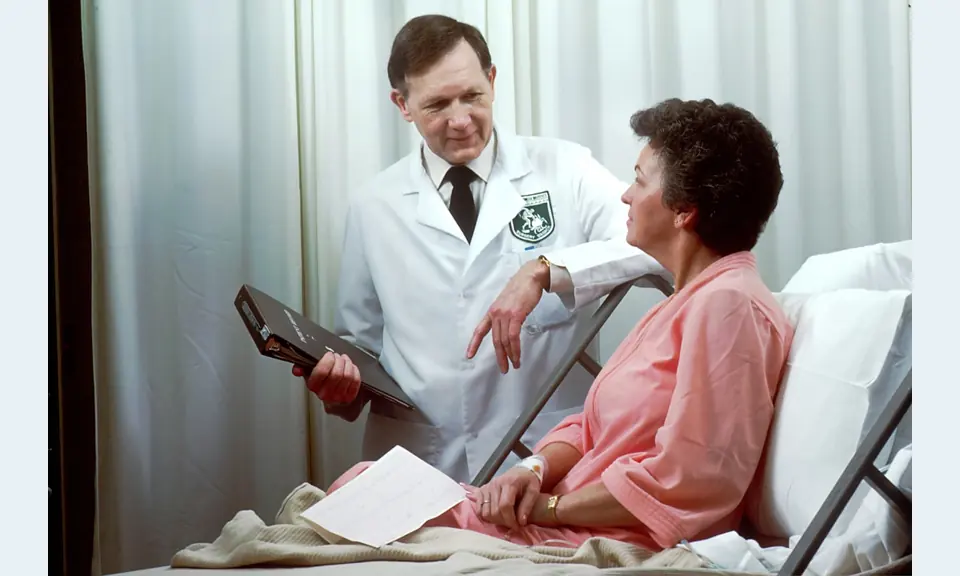
Make intake and preparation easier before the visit
A QR code can route new patients to forms, what-to-expect pages, directions, parking notes, preparation instructions, and documents that help the appointment start smoothly.
Keep the destination mobile-friendly and clear about what information is being requested.
Support follow-up after care without crowding handouts
Use QR codes for exercise instructions, recovery notes, appointment reminders, private feedback, reviews, or referral offers when the patient leaves with printed material.
The best follow-up QR feels useful after the visit, not promotional during treatment.A chiropractor QR code should respect the patient moment
Patients may be evaluating a clinic, arriving for a first visit, filling out intake, leaving after care, or referring someone else. The QR destination should match that exact moment and keep expectations calm and practical.
Use specific CTAs such as book appointment, complete intake, view directions, open exercises, leave feedback, or refer a friend.New patients
Open booking, intake, first-visit prep, directions, insurance notes, and contact options.
Existing patients
Route to follow-up exercises, reminders, care instructions, feedback, and rebooking.
Referral materials
Send referred patients to a focused landing page with clinic proof and a clear appointment path.
Clinic operations
Keep printed forms, cards, and handouts editable when links or instructions change.
Clinic growth moments
Turn chiropractic attention into appointments, reviews, and patient follow-up
Local growthChiropractic QR codes work best when they connect real clinic touchpoints to one useful action: book, prepare, find, review, refer, or continue care.
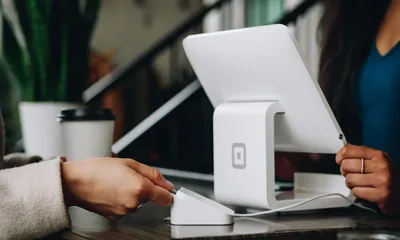
Make appointment scheduling easy from print
Use window signs, front-desk cards, brochures, and referral sheets to open the booking page or consultation request while interest is active.
Move new-patient forms out of the waiting room
Send first-time patients to intake forms, preparation notes, insurance instructions, and what-to-expect pages before they arrive.

Help patients reach the clinic without friction
Put QR codes on reminder cards and referral materials for maps, parking, entrance notes, and contact details.

Ask for reviews after care is complete
Use checkout cards, follow-up handouts, and thank-you messages to ask satisfied patients for reviews while keeping private feedback available.

Make patient referrals easier to share
Give patients a clear QR path they can pass to friends or family for first-visit information and appointment booking.

Keep recovery instructions reachable
Attach QR codes to printed care plans, exercise sheets, and reminders so patients can revisit instructions on a phone.
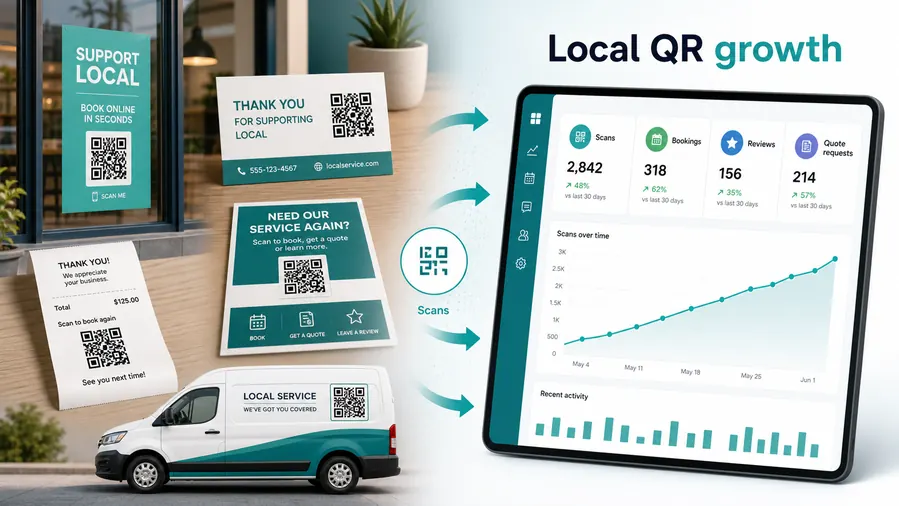
Patient scans happen around trust and convenience
The patient may be deciding whether to book, arriving for care, finishing a visit, or sharing a referral. The QR should make the next step easier without overpromising outcomes.
Printed clinic touchpoints become easier to manage
Dynamic QR codes help keep appointment links, intake forms, directions, review pages, and after-care instructions current after cards and handouts are already printed.
Place the code where patients can act
Clinic placement
Place chiropractic QR codes where patients already need the next step
PlacementThe best placement is not the loudest spot in the clinic. It is the moment when the patient understands the value and can act: before booking, during intake, after care, or while sharing a referral.
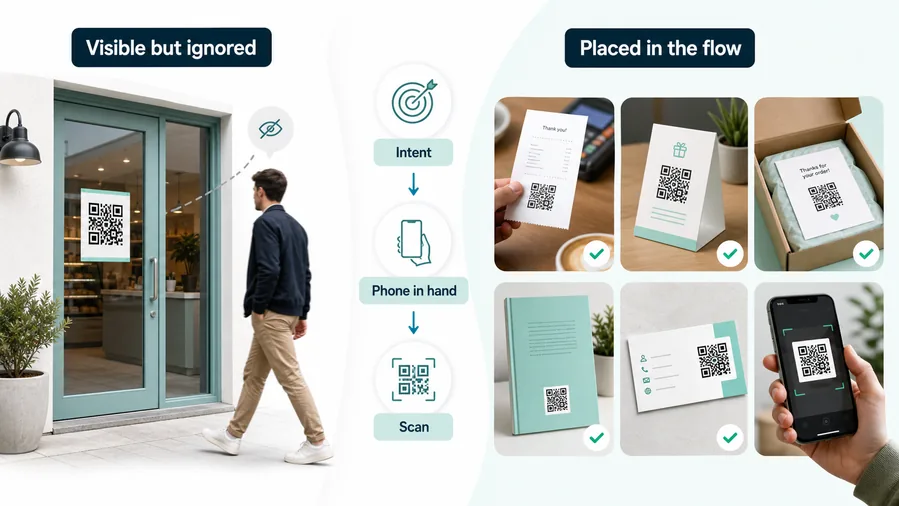
A generic QR competes with the clinic environment
A bare code on a poster or counter card can be visible but unclear: patients may not know whether it opens booking, intake, reviews, or health information.
Unclear QR placement creates hesitation, especially in a healthcare-adjacent setting.
The QR is attached to one patient action
Pair the code with a direct CTA such as book your visit, complete intake, get directions, open after-care instructions, or leave feedback.
The destination should match the printed promise and be easy to use on a phone.
What did the patient just do?
Arrived, checked in, finished treatment, received a referral card, or picked up after-care instructions.
What should happen next?
Book, complete forms, find the clinic, rebook, review, ask a question, or follow care instructions.
Is the scan private enough?
Keep intake, payment, and health-adjacent actions clear, calm, and routed to trusted destinations.
Can staff explain the QR quickly?
A receptionist or provider should be able to describe the scan in one sentence without creating confusion.
Front desk card
Open intake, rebooking, private feedback, reviews, or payment provider links.
Referral sheet
Send new patients to first-visit information, services, booking, and directions.
Treatment handout
Link to exercise videos, after-care notes, reminders, and follow-up scheduling.
Waiting area
Use for general preparation, services, location details, and appointment requests.
Event booth
Capture consultation interest, service questions, and contact details.
Window sign
Route local passersby to booking, hours, location, and new-patient pages.
Checkout note
Ask for feedback, reviews, referrals, or next appointment booking after the visit.
Staff materials
Keep internal instructions and patient resource links consistent across the clinic.
Chiropractic QR placement should make care logistics easier
Keep every code tied to a specific patient action and avoid vague destinations.
Patient scan experience
Make the chiropractic scan path clear, calm, and mobile-ready
Scan UXA QR code can only remove friction if the first screen matches the printed promise and gives patients a simple next step.
Booking and directions should open immediately
Appointment page, maps, clinic hours, contactWhen the QR promises booking or directions, the destination should load quickly and show the right clinic action without a long search.
Use simple CTAs, clear location details, and phone-friendly forms so patients do not abandon the scan.
Forms and health-adjacent pages need extra clarity
Intake, preparation, after-care, consentIf the scan opens forms, preparation notes, or care instructions, explain what the patient is about to provide or read.
Use trusted domains and avoid making medical claims in the QR copy or landing page.
After-care should be easy to revisit
Exercises, rebooking, feedback, referralPrinted after-care QR codes should open resources patients can return to later, not a one-time promotional page.
Keep exercise, reminder, feedback, and rebooking actions organized for small screens.
Does the first screen match the card or handout?
If the print says complete intake, the page should open intake, not a broad services page.
Can the patient finish on a phone?
Booking, forms, maps, and feedback should be usable without zooming or searching.
Is the next action appropriate for the setting?
Keep payment, reviews, health information, and follow-up instructions clear and respectful.
Patient trust starts after the scan
Use QR codes to reduce administrative friction while keeping destinations clear, accurate, and easy to use.
Patient feedback
Ask chiropractic patients for feedback without making the moment feel pressured
ReviewsA review QR code should be used after the visit or follow-up moment, with clear options for public reviews and private feedback.
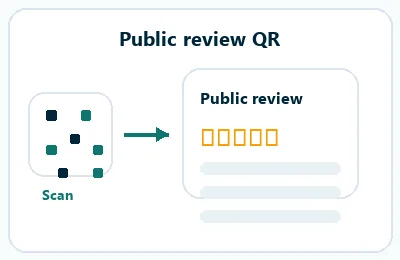
Send satisfied patients to the right review page
Use checkout cards, thank-you notes, and follow-up materials when the patient has completed the visit and is ready to share a public experience.
After appointments, wellness visits, event consultations, and completed care interactions. Do not imply that patients must leave a positive review or discuss private health details publicly.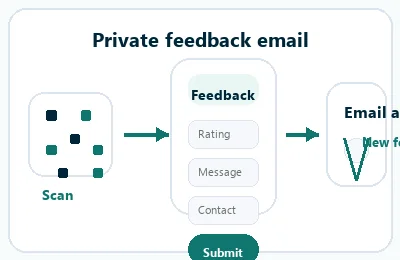
Give concerns a direct clinic path
Use a private feedback form or contact route for questions, scheduling issues, billing concerns, or service problems that should be handled by staff.
Receipts, follow-up emails, front-desk cards, and patient handouts. Keep the form respectful and avoid collecting unnecessary sensitive health information.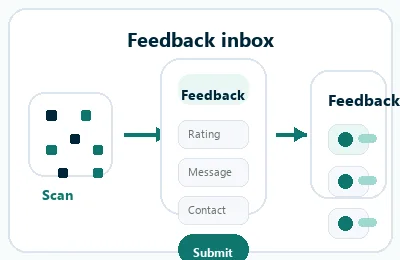
Let happy patients share the clinic clearly
A referral QR can open a first-visit page, consultation request, directions, or new-patient information for friends and family.
Referral cards, after-care packets, community events, and wellness handouts. Make the destination informational and avoid overpromising clinical outcomes.Use reviews to reduce uncertainty, not to force praise
A chiropractic review QR should feel like a useful follow-up option after care, with a clear private path when something needs staff attention.
Patient flow
Use QR codes to reduce front desk friction without hiding responsibility
Use chiropractor QR codes on appointment cards, reception signs, intake packets, direct mail, referral cards, exercise handouts, review cards, local event flyers, and follow-up sheets. The CTA should be precise: book appointment, complete intake, get directions, save contact, read follow-up instructions, or leave review. Avoid implying that the QR code itself contains medical advice or diagnosis.
Dynamic QR codes help when forms, booking links, office hours, after-visit pages, and patient resources change. Sensitive workflows should point to official, recognizable clinic destinations, not vague short links. QR Code Lab analytics can show which printed materials send people to appointments or resources, but patient records, form submissions, payments, and care instructions remain in the clinic's approved systems. Test the destination on a phone, because many patients will scan at the front desk or from a printed card.
For patient education handouts, keep the linked page narrow and practical. A specific follow-up page is usually better than sending someone to the clinic homepage. This keeps the scan useful without making patients search again.