Open House QR Code Generator for Listings, Leads & Tours
Create open house QR codes for sign-in forms, property listings, brochures, virtual tours, maps, agent contacts, mortgage info, follow-up links, visitor leads, and print handouts.
Free QR code generator
Create a QR code online
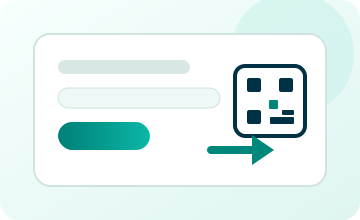
Generate QR codes for websites, email, phone numbers, vCards, Wi-Fi, plain text, forms, PDF files, and campaign links. Customize colors, add a logo or frame, then download a print-ready PNG or SVG.
Choose QR code type
Website QR code, Email QR code, Phone QR code, vCard QR code, Wi-Fi QR code, Text QR code, SMS, WhatsApp, event, and download links.
Add your content
Enter your website URL, contact details, message, phone number, location, or file destination before generating the QR code.
Customize and download
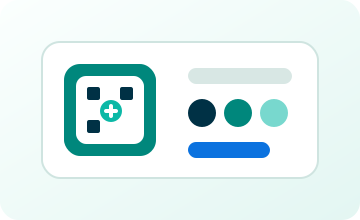
Adjust QR colors, error correction, logo, frame, size, and margin. Generate QR Code, Download PNG, Download SVG, or Save and track scans.
In-person listing flow
Use open house QR codes for visitor sign-in, property context, and follow-up
An open house QR code can point to a sign-in form, property listing, brochure, virtual tour, floor plan, map, agent contact, mortgage information, neighborhood guide, disclosure packet, or follow-up page. It is built for the in-person moment when a visitor is already inside the property, standing at the sign-in table, or reviewing printed details during the walkthrough.
Open house QR codes should solve the day-of-visit experience. They can reduce paper sign-in friction, give visitors the listing details, help people save the agent contact, open a tour link, or provide a quiet way to request follow-up after leaving. The goal is not to add technology for show; it is to make the visit smoother while the buyer is already interested.
QR Code Lab creates QR codes that point to your chosen URL or form. It does not host listings, manage leads, qualify buyers, send follow-up, operate a CRM, or replace real estate compliance tools. The QR code should connect the visitor to the real estate workflow you already trust.
Keep the destination focused. A sign-in QR, listing QR, and agent contact QR each serve different moments during an open house.
Open house visitor flow
Turn open house foot traffic into useful buyer follow-up
Real estateAn open house QR code should help visitors move from a sign, flyer, table card, yard sign, or property sheet to the exact next action: view listing details, save photos, ask a question, book a showing, request disclosures, or join follow-up.
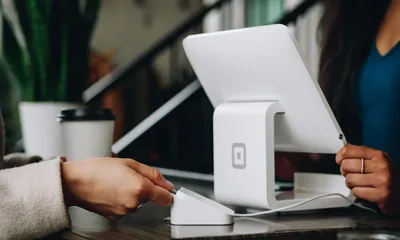
Open the property details without a search
Send visitors to the exact listing, gallery, floor plan, disclosures, neighborhood notes, or offer instructions tied to the home they are touring.
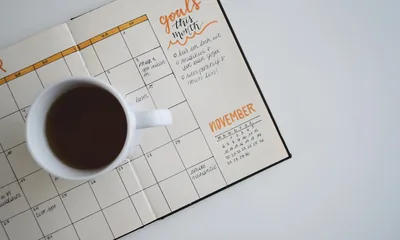
Capture interest while the visit is fresh
Use a short form for questions, showing requests, buyer interest, agent contact, mortgage contact, or follow-up preference without making visitors fill a long CRM form at the door.

Give visitors the useful details they ask agents for
A mobile page can carry room dimensions, renovation notes, school links, HOA notes, inspection files, utility details, and parking or access instructions.
Keep the property easy to revisit later
Printed flyers get lost. A QR destination lets visitors save the listing, share it with a partner, request another showing, or ask about deadlines after leaving.

Separate agent contact from generic brokerage pages
The scan should show the listing agent, contact options, property address, and next step clearly so the visitor does not land on a broad office homepage.

Keep printed signs useful when listing status changes
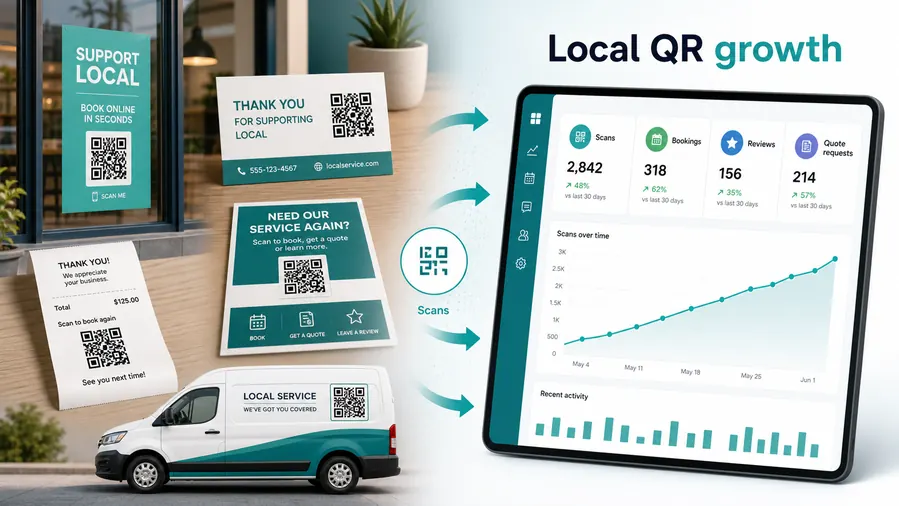
If price, availability, showing windows, offer deadlines, disclosures, or media links change, an editable destination keeps old print from misleading visitors.
Visitors want property answers without pressure
The QR should help them review details at their own pace while making the agent contact path easy when they are ready.
Agents need cleaner signals than a stack of paper sign-in sheets
A focused QR can collect useful follow-up intent, questions, and showing requests without making the open house feel like a forced registration gate.
Put open house QR codes where buyers pause
Property placement
Place open house QR codes where buyers are already evaluating the home
PlacementOpen house QR placement should fit the buyer journey: outside interest, entry context, room-by-room questions, and post-visit follow-up.
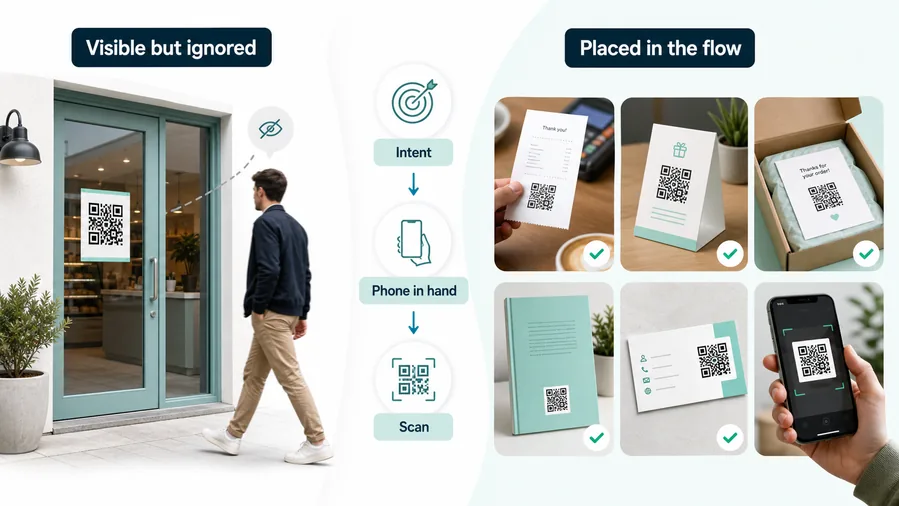
The code points away from the property
A QR that opens a brokerage homepage or broad search page loses the specific intent created by the open house.
Visitors scanned because this home is in front of them, so the destination should stay anchored to that property.
The QR opens the next useful property action
Use the welcome table for listing details and questions, flyers for save/share actions, room cards for feature notes, and yard signs for open house times or agent contact.
The printed caption should make the scan feel helpful rather than like a hidden lead form.
Is the visitor outside, entering, touring, or leaving?
Yard signs, welcome tables, room cards, and flyers each need different destinations.
What question does this placement answer?
Price, photos, disclosures, school area, renovation notes, showing request, or agent contact should be clear.
Can visitors save the listing?
Make it easy to send the property to a partner or return after the tour.
Will listing details change?
Use dynamic QR when price, status, offer deadline, open house time, or documents may move.
Yard sign
Best for listing page, open house hours, agent contact, and showing request.
Welcome table
Use for property details, sign-in, disclosures, questions, and follow-up preference.
Room card
Open renovation notes, dimensions, materials, appliances, and feature explanations.
Takeaway flyer
Help visitors save photos, share the listing, request another showing, and contact the agent later.
Poster or event sign
Best where people pause: registration line, booth, waiting area, seat back, schedule board, or exit path. Weak when people only pass at speed.
Business card
Useful after a conversation because the person already knows why they might save a contact, open a portfolio, book a call, or follow up.
Window sign
Good for after-hours menus, booking, pickup instructions, or quick offers. Avoid complex actions when the person is outside and just walking by.
Cover or front label
Use it only when the promise is immediate and clear. Otherwise the better scan moment is often inside the material or after the first interaction.
Open house QR placement should preserve property intent
Put the code where buyers have a specific question, then send them to the answer or next step for that home.
Buyer scan UX
Make the open house scan helpful before asking for buyer details
Scan UXA strong open house QR destination gives property context first, then offers contact, questions, booking, or sign-in options without making the visitor feel trapped.
The first screen should confirm the exact home
Address, photos, price, agent, open house timeVisitors should immediately recognize the property they are touring. Show the address, listing image, agent context, and primary next step before any form.
A generic real estate landing page breaks the trust created by the open house material.
The form should match the level of interest
Ask question, request showing, save listing, get disclosuresNot every visitor is ready for a full buyer intake. Offer lightweight actions such as asking a question, saving the listing, requesting documents, or scheduling a second look.
Keep forms short enough to complete while standing in the home.
The page should help after the visitor leaves
Share listing, book showing, agent contact, deadlineThe QR is valuable after the open house because buyers often discuss the home later with a partner or advisor.
Make the listing easy to reopen, share, and act on without hunting through paper flyers.
Does the destination show the address?
The visitor should know the scan belongs to the home they are touring.
Is the first action too aggressive?
Offer useful property details before forcing a long lead form.
Can the buyer act later?
Save, share, contact, documents, and second-showing paths should be easy to find.
An open house QR should feel like buyer help first
Give visitors useful property information, then make the follow-up path clear when they are ready.
Visitor timing
Place the QR where visitors naturally pause during the walkthrough
Use QR codes on the sign-in table, entry sign, brochure, kitchen counter card, feature sheets, yard sign rider, agent business card, follow-up handout, floor plan sheet, and neighborhood guide. The best placement catches the visitor when they already have the phone out for photos, directions, listing notes, or calendar checks.
Match the code to the location. At the entry, a QR can handle sign-in or open the listing. In the kitchen, it can show upgrades, appliances, or renovation notes. On a brochure, it can open the virtual tour or disclosure packet. On the agent card, it can save contact details. The scan should answer the question the visitor is likely asking in that room or moment.
Use dynamic QR codes for open house materials because listings, brochures, forms, price details, tour links, and follow-up pages can change. Scan analytics can show whether the sign-in table, yard sign, printed brochure, or room cards created more engagement. QR Code Lab tracks the QR path; your form, listing platform, or CRM handles the lead after the scan.