Property Listing QR Code Generator for Real Estate Leads
Create property listing QR codes for home listings, virtual tours, photo galleries, floor plans, maps, agent contacts, brochures, inquiry forms, buyer follow-up, and yard signs.
Free QR code generator
Create a QR code online
Generate QR codes for websites, email, phone numbers, vCards, Wi-Fi, plain text, forms, PDF files, and campaign links. Customize colors, add a logo or frame, then download a print-ready PNG or SVG.
Choose QR code type
Website QR code, Email QR code, Phone QR code, vCard QR code, Wi-Fi QR code, Text QR code, SMS, WhatsApp, event, and download links.
Add your content
Enter your website URL, contact details, message, phone number, location, or file destination before generating the QR code.
Customize and download
Adjust QR colors, error correction, logo, frame, size, and margin. Generate QR Code, Download PNG, Download SVG, or Save and track scans.
Specific listing access
Use a property listing QR code when one printed code should open one property destination
A property listing QR code can point to a home listing, virtual tour, photo gallery, floor plan, map, agent contact page, brochure, disclosure packet, lead form, neighborhood guide, or showing request page. It is useful for agents, brokers, property managers, developers, and leasing teams that need one printed asset to connect to one specific property.
The main benefit is clarity. A person standing in front of a yard sign, holding a brochure, or looking at a window card should not have to search by address later. The QR code can open the exact listing, show the photos, reveal the floor plan, or make it easy to contact the agent while the property is still fresh in their mind.
QR Code Lab creates QR codes for listing URLs and forms. It does not host inventory, manage inquiries, update MLS data, verify property details, qualify buyers, or operate real estate lead systems. The QR code should send visitors to the listing destination or workflow you already control.
Keep listing QR codes specific. A yard sign, brochure, window card, or mailer should open the property details people expect from that exact address or unit, not a generic agent homepage unless that is clearly the intended next step.
Property listing QR
Help buyers open the exact property details from every printed placement
ListingA property listing QR code should preserve the buyer intent created by a yard sign, flyer, postcard, brochure, window card, or open house sheet: this home, this address, this agent, and this next step.

Send buyers to the actual listing, not a search page
The scan should open the specific property with photos, price, address, map, description, agent contact, showing request, and relevant documents.
A broad brokerage homepage wastes the attention the printed listing just earned.
Carry richer details than print can hold
Use the destination for floor plans, room dimensions, disclosures, school notes, HOA details, renovation history, video tours, and neighborhood links.
The printed piece can stay clean while the scan carries the buyer research layer.
Make follow-up feel easy, not forced
Offer lightweight actions such as save listing, share with a partner, ask a question, request disclosures, or book a showing before asking for a heavy lead form.
Useful context earns better leads than a gate at the first tap.A listing QR should keep the buyer anchored to one property
The visitor scanned because a particular home caught their attention. Keep the destination specific, mobile-friendly, and ready for the next buyer question.
If price, status, open house time, or documents change, use an editable destination instead of sending printed materials stale information.Yard sign
Open listing details, gallery, agent phone, and showing request from curbside interest.
Flyer or postcard
Help buyers save, share, compare, and return to the exact property later.
Window card
Let passersby check price, availability, map, and agent contact after hours.
Open house sheet
Support disclosures, questions, second showing, and follow-up after the visit.
Listing placement
Place property listing QR codes where buyers want one more detail
PlacementReal estate QR placement should match the buyer moment: curbside curiosity, flyer comparison, open house research, window shopping, or post-visit follow-up.
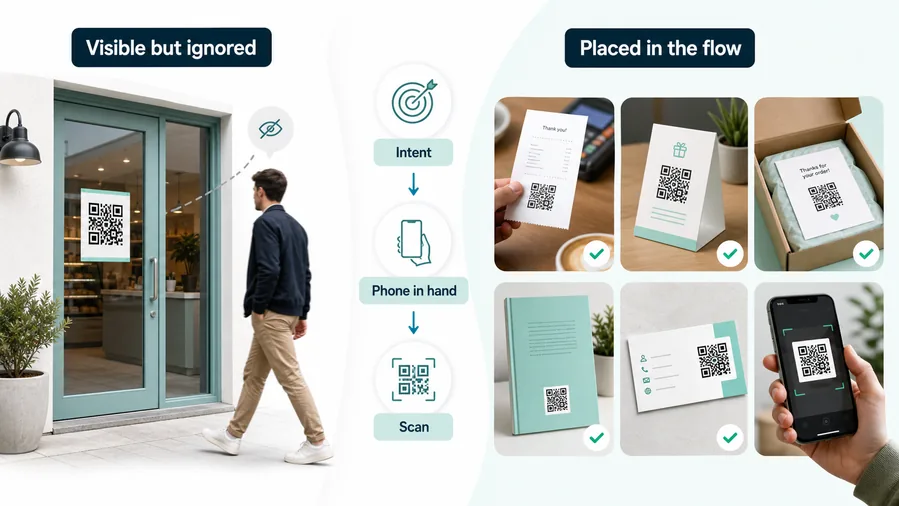
The QR sends buyers away from the property
A generic site link makes the buyer search again after scanning.
The QR should keep the path tied to the listing that created interest.
The QR answers the next property question
Use yard signs for listing details, flyers for save/share, open house sheets for disclosures, and room cards for feature notes.
The caption should say whether the scan opens photos, price, floor plan, documents, or showing request.
What does the buyer need here?
Price, photos, map, floor plan, documents, agent contact, or showing request should shape the destination.
Is this before or after a visit?
Curbside scans, open house scans, and follow-up scans need different emphasis.
Can the buyer save or share the home?
Make partner review and later comparison easy from the mobile page.
Could the listing change?
Use dynamic QR when price, availability, showing time, or disclosures may update.
Yard sign
Open listing details, price, gallery, map, and showing request.
Property flyer
Help buyers save, share, request documents, and contact the agent.
Window card
Show availability, photos, agent contact, and appointment options after hours.
Open house sheet
Link to disclosures, floor plans, questions, and second showing.
Room card
Explain renovations, materials, dimensions, appliances, and upgrades.
Postcard campaign
Send neighborhood prospects to the property page and agent follow-up.
Brochure
Carry video tour, gallery, schools, HOA notes, and neighborhood links.
Sold or pending sign
Redirect interest to agent contact, similar listings, or buyer consultation.
Property QR placement should keep listing intent alive
Put the code where buyers already want more detail, then open the exact property action.
Listing updates
Use dynamic QR when listing details can change after print
DynamicProperty print often stays outside while price, status, open house times, disclosures, documents, and media links change. Dynamic QR keeps the printed code useful through the listing lifecycle.
Printed listing materials age quickly
A flyer or sign can keep circulating after a price change, pending status, open house cancellation, or document update.
Static QR can keep sending buyers to stale or incomplete information.
The same QR follows the listing stage
Update scans from active listing to open house, offer deadline, pending notice, sold page, or similar properties.
The printed code stays stable while the buyer destination stays current.
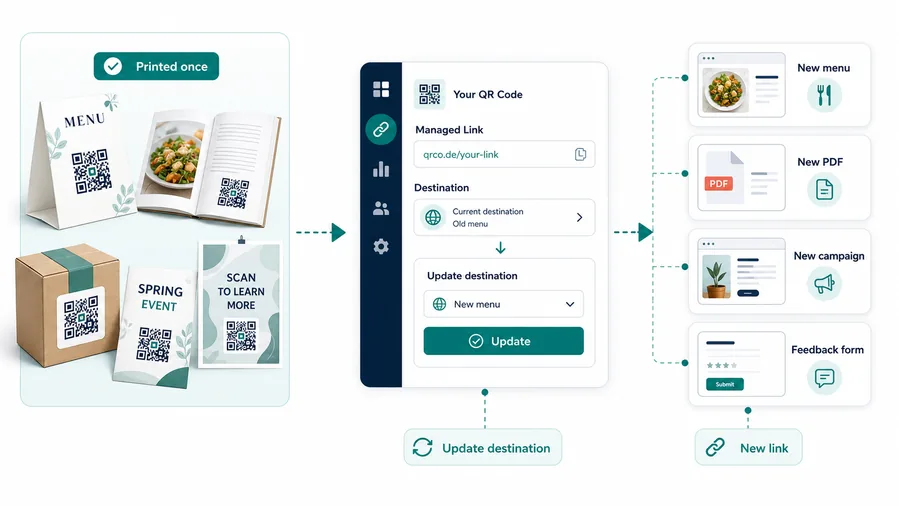
Price and status changes
Update price, pending status, sold status, open house times, and availability.
Documents and disclosures
Swap disclosures, floor plans, inspection notes, HOA docs, and offer instructions.
Media updates
Move scans to new photos, video tour, virtual tour, neighborhood pages, or agent notes.
Post-sale routing
Redirect old print to similar listings, agent consultation, or sold-property follow-up.
Use dynamic when property print may outlive the facts
If a stale listing destination would hurt trust, keep the QR editable.
Buyer UX
Make the property scan useful before asking for contact details
Scan UXA listing QR should confirm the property immediately and give buyers a useful next step before demanding a full lead form.
The first screen confirms the address and listing
Address, price, photos, agent, mapBuyers should recognize the home from the sign, flyer, or open house sheet as soon as the page loads.
Show address, hero image, status, and agent context before deeper actions.
Details should be easy to review on a phone
Gallery, floor plan, disclosures, schools, HOAA buyer may scan while standing outside, walking through the home, or reviewing the flyer later.
Make photos, documents, questions, and showing requests easy to find without desktop-style clutter.
Follow-up should feel proportional to interest
Ask question, save, share, book showingOffer lightweight contact actions before asking for a full buyer intake.
This creates cleaner intent and fewer abandoned forms.
Does the page show the exact property?
Address, photo, status, and agent should match the printed piece.
Can buyers act lightly?
Save, share, ask, request documents, or book a showing should be visible.
Is the listing current?
Check price, status, documents, and open house time before print goes out.
A listing QR should serve the buyer first
Give useful property context, then make the agent follow-up path easy when interest is real.
Listing clarity
Use dynamic links when property details can change before print disappears
Use listing QR codes on yard signs, flyers, brochures, window displays, open house signs, leasing office materials, postcards, floor plan sheets, property packets, direct mail, and sign riders. The CTA should say view listing, open tour, see floor plan, contact agent, request info, book showing, or view photos.
Match the destination to the placement. A yard sign may need the public listing or virtual tour. A brochure can open a richer photo gallery. A floor plan sheet can open unit details. A postcard can open a lead form or neighborhood guide. The QR should answer the question the viewer is most likely asking in that moment.
Dynamic QR codes are useful because listing status, price, tour links, forms, and brochures can change while printed materials are still outside. Scan analytics can compare which signs, flyers, window cards, or mailers generate interest for the property. QR Code Lab tracks scans and manages routing; your listing platform, form, or CRM handles inquiries after the scan.
Before printing, test the destination on mobile and make sure the address, price status, contact option, and main photos match the printed property.