Property Management QR Code for Tenants, Portals & Forms
Create property management QR codes for maintenance forms, tenant portals, rent pages, notices, rules, applications, and support. Use them in lobbies, mailrooms, signs, and welcome packets.
Free QR code generator
Create a QR code online
Generate QR codes for websites, email, phone numbers, vCards, Wi-Fi, plain text, forms, PDF files, and campaign links. Customize colors, add a logo or frame, then download a print-ready PNG or SVG.
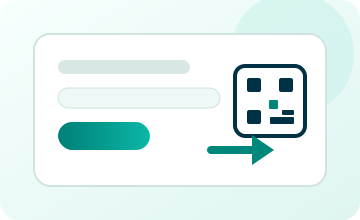
Choose QR code type
Website QR code, Email QR code, Phone QR code, vCard QR code, Wi-Fi QR code, Text QR code, SMS, WhatsApp, event, and download links.
Add your content
Enter your website URL, contact details, message, phone number, location, or file destination before generating the QR code.
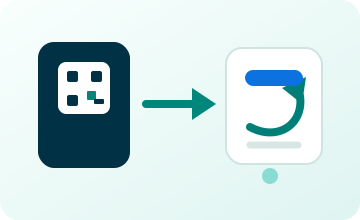
Customize and download
Adjust QR colors, error correction, logo, frame, size, and margin. Generate QR Code, Download PNG, Download SVG, or Save and track scans.
Tenant access
Give tenants the right portal link exactly where the problem happens
A property management QR code is useful when tenants, applicants, visitors, or residents need a practical building link without searching through emails. It can open a maintenance form, tenant portal, rent page, building notice, rules page, application form, emergency contact page, amenity booking link, move-in guide, package room instructions, or support resource. Property managers, landlords, apartment communities, HOA teams, rental offices, and facility managers can use it throughout the building.
The strongest placements match the real-world problem. A laundry room sign can open machine instructions or support. A parking notice can open rules or permits. A lobby sign can open the tenant portal. A move-in packet can open a checklist. A maintenance notice can open the exact request form. QR Code Lab helps make those paths printable, updateable, and measurable.
QR Code Lab creates URL QR codes only. It does not accept rent, manage maintenance tickets, process applications, host tenant records, run portals, or operate property software. The linked tenant portal, rent page, form, booking system, or support tool handles the actual workflow and any private information.
Property management QR
Route tenants, visitors, and owners to the right property action
OperationsA property management QR code should reduce repeated office questions by opening the exact maintenance, rent, leasing, amenity, inspection, move-in, or contact path tied to a building or unit.

Turn building signs into service shortcuts
Use QR codes in lobbies, mailrooms, elevators, laundry rooms, amenity spaces, and unit packets so people can open the right form or instruction without calling the office.
The destination should match the building context, not a generic corporate site.
Make tenant requests easier to classify
Route maintenance, parking, packages, move-in, access, lease questions, payments, and amenity bookings to the right intake path.
Good routing saves staff time and gets residents to the right answer faster.
Keep building instructions current
When portals, forms, emergency contacts, office hours, amenity rules, or move-in steps change, update the QR destination instead of replacing every sign.
Editable destinations matter when signs live in buildings for months.A property management QR should reduce operational friction
The scan should answer the tenant or visitor’s immediate question and route the request to the right system with less staff back-and-forth.
Keep sensitive payments, account access, and emergencies clearly separated from general information.Tenants
Open maintenance, rent portal, amenity booking, packages, parking, and building notices.
Visitors
Show access instructions, leasing office, directions, parking, and contact paths.
Owners
Link to reports, documents, manager contact, inspections, and update forms.
Staff
Keep signs aligned with current portals, forms, hours, and escalation paths.
Building placement
Place property management QR codes where questions repeat
PlacementThe best property management QR placement is the spot where tenants, visitors, vendors, or owners already need an instruction, form, portal, or contact path.
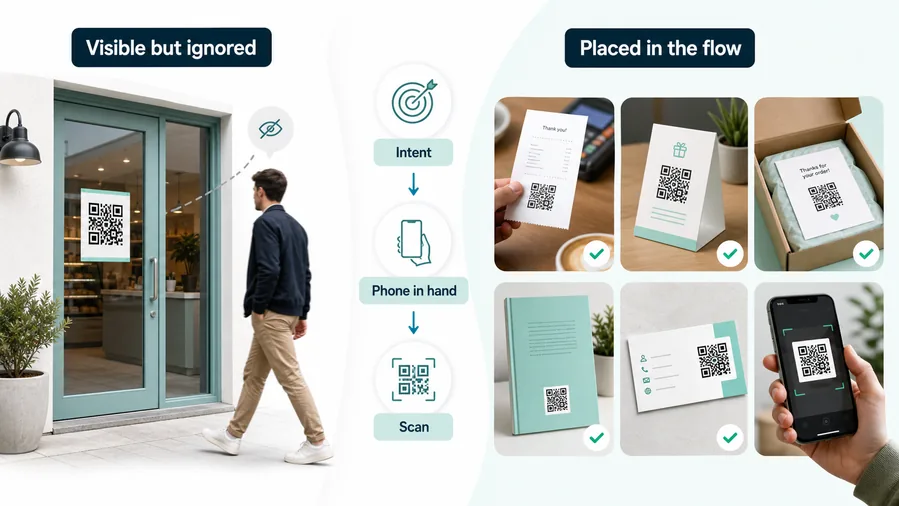
The code opens a general website
A general company page does not help a tenant report a leak, book an amenity, find parking rules, or contact the right office.
Building QR codes need context-specific destinations.
The QR opens the action for that location
Lobby signs can open visitor help, mailroom signs can open package rules, and amenity signs can open booking or policies.
The printed caption should name the action clearly.
Who is scanning here?
Tenant, prospect, vendor, owner, guest, or staff role should shape the destination.
What request repeats most?
Maintenance, packages, parking, rent portal, access, booking, or emergency contact may each need its own path.
Is this urgent or routine?
Emergency instructions should not be hidden behind a general QR page.
Will the portal or policy change?
Use dynamic QR for forms, contacts, hours, rules, and portal links that move.
Lobby or front desk
Open leasing, visitor access, office hours, notices, and contact.
Unit welcome packet
Link to move-in steps, maintenance, rent portal, Wi-Fi, utilities, and rules.
Mailroom or package area
Explain package pickup, lockers, delivery rules, and support.
Amenity room
Use for booking, rules, hours, guest policy, and issue reporting.
Parking area
Open permits, guest parking, towing rules, payment, and support.
Laundry or service room
Route machine issues, payment help, hours, and maintenance requests.
Vendor entrance
Show access, check-in, work order, safety, and manager contact.
Owner packet
Link to reports, inspection forms, document uploads, and manager contact.
Property management QR placement should remove repeated explanation
Put the code where the question happens and route people to the exact system or instruction.
Operations updates
Use dynamic QR when building instructions change after signs are posted
DynamicProperty signs, packets, and tenant notices can remain in place while portals, office hours, forms, rules, contacts, and emergency instructions change.
Old signs create support noise
A static QR can keep sending tenants to old portals, outdated forms, expired notices, or wrong contact details.
That creates more calls instead of fewer.
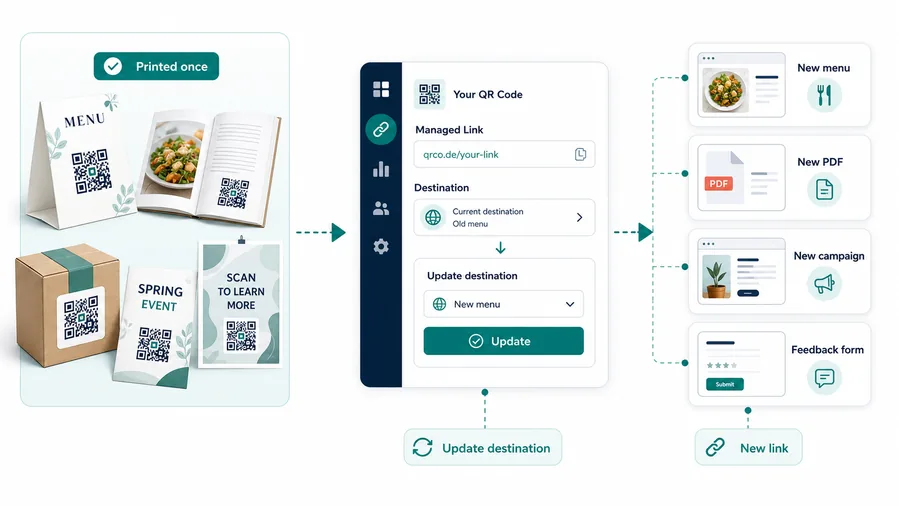
The same sign can point to the current instruction
Dynamic QR lets managers update destinations while lobby signs, amenity cards, and move-in packets stay in circulation.
This is useful for seasonal policies, vendor changes, portal migrations, and emergency updates.
Maintenance and forms
Update request forms, work-order links, upload paths, and issue categories.
Building notices
Change office hours, closures, elevator work, amenity rules, and inspections.
Resident portals
Move rent, documents, packages, parking, utilities, and lease links as systems change.
Emergency and escalation
Keep urgent contacts, after-hours instructions, and vendor routing current.
Use dynamic when the building sign must stay useful
If a QR lives in a property for months, the destination should be editable.
Tenant UX
Make property management scans route people without extra calls
Scan UXA management QR destination should identify the building, explain the action, and route the request before a tenant or visitor has to call the office.
The page should confirm the property or community
Building, address, unit context, officeTenants should know they reached the right property before submitting a request.
Show building name, service category, and office contact where appropriate.
The action should be specific enough to classify
Maintenance, rent, package, parking, amenityA broad contact form pushes sorting work back to staff.
Use the QR to point people toward the right portal, form, instruction, or escalation path.
Emergency routes should be obvious
Leak, lockout, safety, after-hoursDo not bury urgent instructions behind a long content page.
Separate emergency contact from routine forms and policy information.
Does the page identify the property?
Building or community context should appear before forms.
Is the request category clear?
Maintenance, payment, package, parking, amenity, and leasing paths should not blur together.
Are urgent cases separated?
Emergency or after-hours instructions need a direct route.
A property management QR should route, not just inform
Use the scan to send each person to the right next step with less office back-and-forth.
Building flow
Put QR codes where tenants are already trying to solve something
Use property management QR codes on lobby signs, move-in packets, lease folders, maintenance notices, elevator boards, package room signs, laundry room instructions, trash room signs, parking notices, amenity rules, leasing flyers, and front desk materials. The CTA should be specific: submit maintenance request, pay rent, read building rules, book amenity, contact support, apply for a unit, or open move-in checklist.
Dynamic QR codes are useful because property links change. A portal may move, office hours may update, emergency contacts may change, or a temporary notice may become old. With a dynamic QR code, printed signs and packets can stay useful longer. QR Code Lab analytics can show which building areas generate the most scans, which may reveal where tenants need clearer instructions. Actual rent payments, maintenance tickets, applications, and resident data should remain inside the official property systems your team already uses.
Think of each code as a small service sign. A tenant standing near the laundry room needs a different destination than someone reading a leasing flyer or trying to report a leak.