QR Code for Massage Therapists - Booking & Client Links
Create QR codes for massage therapists linking booking pages, service menus, intake forms, reviews, client resources, maps, and contact cards. Use them on cards, intake packets, desks, and receipts.
Free QR code generator
Create a QR code online
Generate QR codes for websites, email, phone numbers, vCards, Wi-Fi, plain text, forms, PDF files, and campaign links. Customize colors, add a logo or frame, then download a print-ready PNG or SVG.
Choose QR code type
Website QR code, Email QR code, Phone QR code, vCard QR code, Wi-Fi QR code, Text QR code, SMS, WhatsApp, event, and download links.
Add your content
Enter your website URL, contact details, message, phone number, location, or file destination before generating the QR code.
Customize and download
Adjust QR colors, error correction, logo, frame, size, and margin. Generate QR Code, Download PNG, Download SVG, or Save and track scans.
Independent practitioner path
Make booking, intake, resources, and rebooking easier for massage clients
A QR code for massage therapists is useful when a card, flyer, event handout, gift certificate, invoice, or after-session note should become a simple client action. It can open booking pages, service menus, intake forms, client resources, review pages, maps, contact cards, and rebooking links. Independent massage therapists, mobile providers, wellness practitioners, bodywork specialists, and small studios can use QR codes to support trust, referrals, repeat visits, and clear communication before the appointment.
For a solo practitioner, the QR code should save time and reduce friction. A business card can open booking and contact details. A referral card can open a new-client page. An after-session card can open home-care notes or the next booking link. A mobile therapist can put a QR code on a leave-behind card so the client can rebook later without searching old messages. QR Code Lab helps create print-ready codes, dynamic destinations, and scan analytics for those client touchpoints.
QR Code Lab creates URL QR codes only. It does not process payments, manage orders, collect forms, run bookings, provide medical advice, or operate business software. The linked booking, form, review, resource, or contact platform handles the actual client relationship.
Client service path
Help massage therapy clients book, prepare, pay, rebook, and give feedback with confidence
Client journeyA massage therapist QR code should make a private service feel clear and easy: choose the right session, complete intake, understand prep, pay a deposit or invoice, read aftercare, rebook, or contact the therapist.

Turn local interest into a qualified appointment request
Use QR codes on business cards, referral cards, clinic flyers, appointment cards, and wellness-event materials to open service types, availability, location, and booking forms.
The scan should help the client choose the right massage without a long back-and-forth.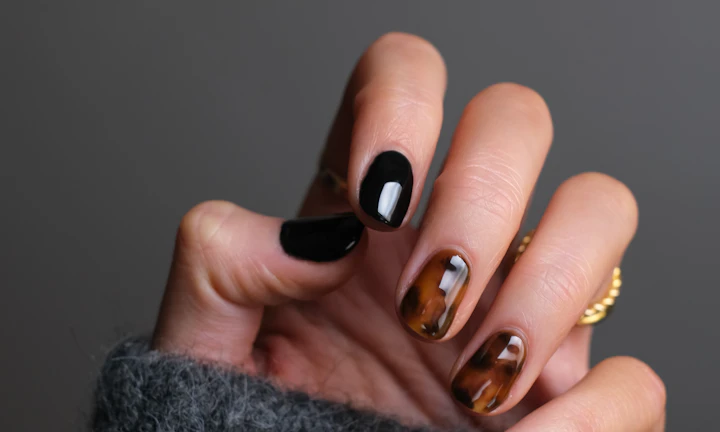
Prepare clients before the session starts
A QR destination can explain intake, contraindications, pressure preferences, arrival notes, cancellation policy, parking, and what to expect from the first visit.
Private, calm wording builds trust before the appointment.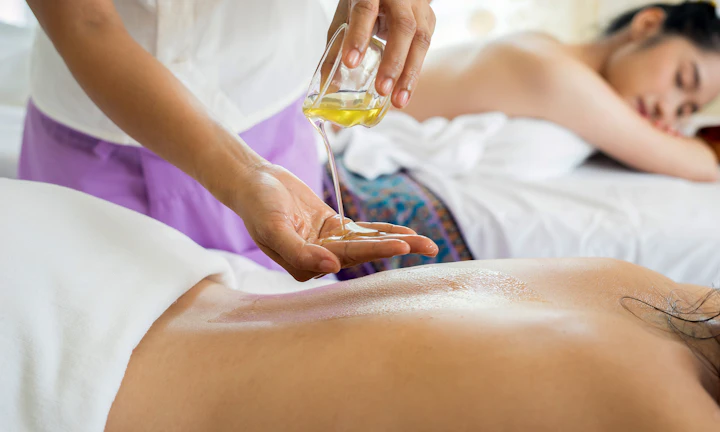
Keep schedules, forms, and aftercare links current
Dynamic QR helps when availability, intake forms, treatment descriptions, payment pages, memberships, and aftercare resources change after print.
Independent practitioners should not have to reprint cards for every booking-system change.A massage therapist QR should support a calm client decision
The client may be seeking pain relief, stress reduction, sports recovery, prenatal support, or ongoing care. The QR destination should route that intent to the right booking and preparation path.
Use clear CTAs that name the exact next step before the client taps.Booking
Open treatment types, session length, availability, location, and intake expectations.
Privacy
Handle health details, preferences, and sensitive notes through the right form or provider.
Payment
Route deposits, balances, packages, and gift sessions to trusted provider pages.
Aftercare
Use follow-up cards for care notes, rebooking, reviews, and referrals.
Therapist client moments
Turn massage therapy touchpoints into booking, intake, payment, aftercare, and rebooking
Wellness practiceMassage therapy QR codes work best when the scan matches a personal client moment: researching a therapist, booking, completing intake, paying, reading aftercare, or planning the next session.
Help clients choose the right session
Open service descriptions, duration, availability, location, online booking, and first-visit expectations from cards or referral materials.

Collect useful information before arrival
Use appointment cards and confirmations for health notes, preferences, pressure, focus areas, contraindications, and consent wording.

Open deposits, invoices, or package checkout safely
Route clients to trusted payment pages for deposits, balances, packages, gift sessions, or memberships with clear context.

Send care notes while the session is fresh
Use follow-up cards for hydration reminders, stretches, self-care notes, rebooking prompts, and support contact.
Ask after the client has felt the result
Invite public reviews or private feedback after the appointment, without asking clients to share personal health details publicly.

Make word-of-mouth easier to act on
Use referral cards for booking, therapist bio, first-visit offer, gift sessions, and contact details.
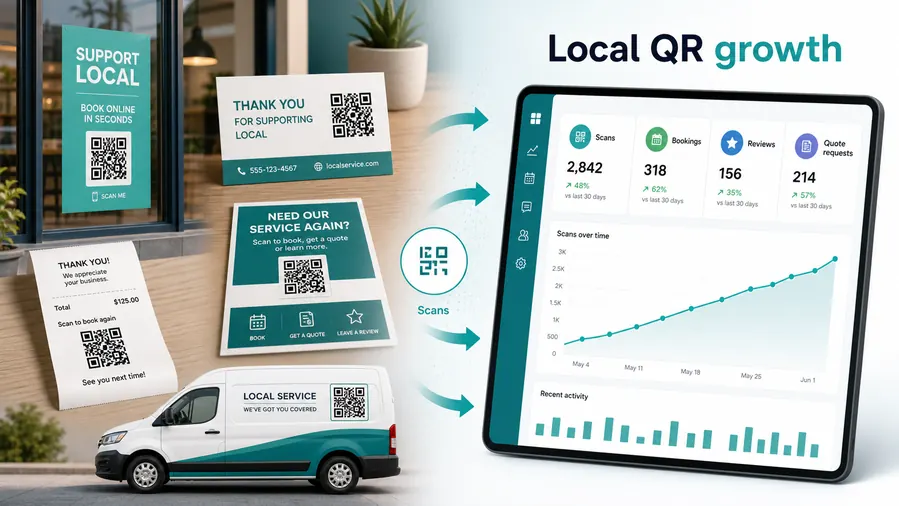
Massage clients scan when they want calm clarity
The destination should explain service fit, privacy, location, timing, policies, and next steps before asking for personal details.
Editable QR keeps an independent practice easier to manage
Dynamic QR lets therapists update booking links, intake forms, availability, payments, package offers, and aftercare resources without replacing every printed piece.
Match each massage therapy QR to the client stage
Therapy placement
Place massage therapist QR codes where clients are ready to book, prepare, pay, or return
PlacementA massage therapy QR code should appear beside the material that explains the next action: referral card, appointment reminder, intake note, invoice, gift certificate, or aftercare card.
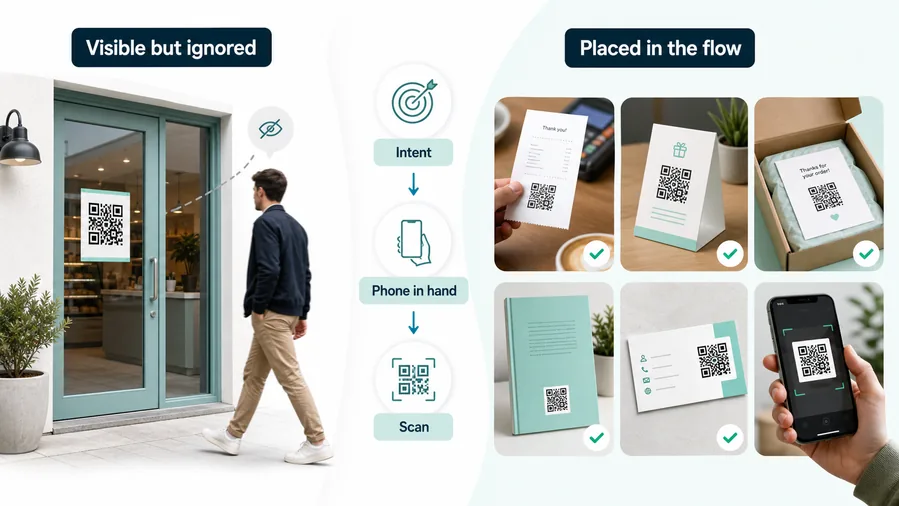
A vague code can feel too personal too quickly
Clients may hesitate if a QR does not say whether it opens booking, intake, payment, aftercare, or reviews.
The printed CTA should be calm and specific.
Put the code beside the private action it supports
Use cards for booking, confirmations for intake, invoices for payment, and aftercare notes for rebooking or feedback.
The first screen should match the promise immediately.
What is the client trying to do?
Choose treatment, book, complete intake, pay, redeem a gift, read aftercare, rebook, or leave feedback.
What privacy boundary matters?
Health details, preferences, payment, and personal contact should land on trusted pages with clear therapist identity.
Is the scan physically easy?
Cards, invoices, and appointment notes need enough size, contrast, and a short CTA.
Will the destination change?
Use dynamic QR for scheduling, intake, payments, packages, gift terms, and reviews.
Business card
Open therapist bio, services, booking, location, and contact.
Referral flyer
Route to first-visit info, booking, treatment fit, and offer details.
Appointment card
Share intake, arrival notes, cancellation policy, parking, and prep.
Invoice or receipt
Open payment, support, review, receipt, and rebooking.
Gift certificate
Show redemption, booking, terms, and session options.
Aftercare note
Provide stretches, hydration, care notes, rebooking, and feedback.
Clinic desk sign
Open booking, services, therapist page, intake, and contact.
Event booth
Connect wellness-event visitors to bio, booking, and first-session details.
Massage therapist QR placement should feel respectful
If the scan does not make a private client step easier, the placement or CTA needs work.
Massage therapy scan experience
Make the massage therapy scan path calm, private, and easy to complete
Scan UXA massage therapist QR page should quickly confirm who the therapist is, what the scan opens, and what happens next before asking for booking, health, payment, or feedback details.
The client can choose the right service without guessing
Wi-Fi, vCard, phone, email, SMS, plain URLWhen the QR code contains direct data, the phone decides what to show. It may open the native Wi-Fi join prompt, contact-save screen, email client, phone dialer, SMS composer, browser, or another app chosen by the user.
There is not much QR Code Lab can improve inside that native interface. Compatibility depends on the scanner app, camera, operating system, browser, and user settings. Intake is to encode clean data: correct Wi-Fi credentials, a valid email, a tidy vCard, a working URL, and a clear printed caption near the code.
The form explains why personal details are needed
Dynamic URL, tracked campaign, external page, PDF, formWhen a dynamic QR code redirects to your website, form, shop page, PDF, booking page, or campaign, QR Code Lab can manage the link, keep it editable, and record scan analytics. But the page people land on is still your experience.
That destination should be fast, mobile-friendly, and honest about the promise printed near the QR code. The main CTA should be visible without hunting, forms should be short, files should open cleanly on phones, and the content should not feel like a desktop page squeezed onto a small screen.
The follow-up continues the therapeutic relationship
Hosted page, buttons, image, files, contact, feedbackA QR Code Lab microlanding page is useful when you do not have a good mobile destination or when one scan should offer several actions. Instead of sending people to a heavy page, you can present a clean mobile-first page with clear buttons, files, images, links, and contact actions.
This is where QR Code Lab can do the most for scan experience. The content is organized for phones, buttons are easy to tap, PDF or ZIP downloads can be presented clearly, and the page can be updated after printing. It works well for books, packaging, menus, events, instructions, bonus materials, and feedback flows.
What appears in the first 3 seconds?
The scanner should immediately understand where they landed and why it matches the promise beside the QR code.
Is the next action obvious on a phone?
The main button, file, form, contact action, or download should be visible and easy to tap without zooming or searching.
Does the destination match the scan context?
A QR on a package, book page, receipt, poster, or table tent should open the resource that makes sense in that exact moment.
Massage therapy QR UX should lower friction without breaking trust
The page should help the client book, prepare, pay, or return with confidence.
Therapist feedback
Ask massage therapy clients for feedback without making private details public
ReviewsMassage feedback needs care. A QR code can invite public reviews, private concerns, rebooking, or referrals after the session, while avoiding pressure and protecting personal health details.
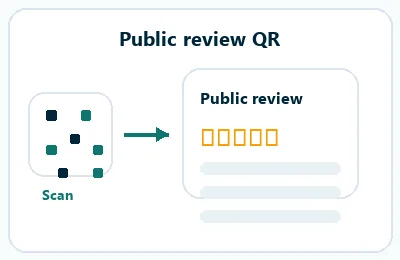
Invite reviews after the appointment is complete
Use receipts, aftercare cards, and follow-up materials to ask for a review once the client has experienced the session.
After first visits, recurring sessions, packages, gift sessions, or referral appointments. Do not ask clients to disclose health details in a public review.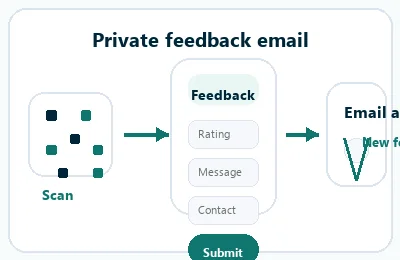
Offer a quieter path for comfort or concerns
Let clients share concerns about pressure, communication, environment, scheduling, or treatment fit directly with the therapist.
After new-client sessions, package appointments, or any treatment where comfort matters. Private feedback should be as easy to find as public review links.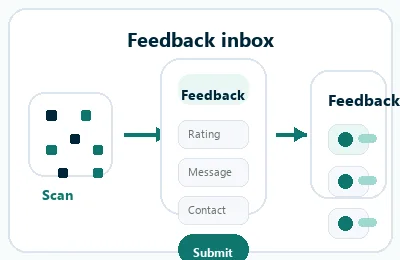
Invite referrals after useful care is delivered
Aftercare pages can offer referral cards, gift sessions, or rebooking once the client has received the promised support.
Aftercare cards, receipts, follow-up pages, and referral materials. Lead with care value before promotion.Massage therapy review QR codes should protect client comfort
The scan should invite honest feedback while keeping private issues private.
Referral and rebooking flow
Put massage therapist QR codes on materials clients keep after the appointment
Good placements include business cards, referral cards, aftercare notes, appointment cards, invoices, wellness event flyers, gift certificate sleeves, review cards, and mobile service leave-behinds. Use CTAs like book next session, complete intake, save contact, view services, read aftercare, claim referral offer, buy gift certificate, or leave feedback. If the QR code opens an intake form, keep it mobile-friendly and clearly connected to your official practice.
Dynamic QR codes help when booking tools, service pages, intake forms, resource pages, and offers change. Scan analytics can compare referrals, aftercare cards, event flyers, gift certificates, and appointment cards. That helps an independent therapist learn which printed touchpoints support repeat booking and trust without adding complicated marketing software.
Keep the first screen calm and practical. A client scanning after a session may want home-care notes or the next booking button, not a busy homepage. A new client scanning a referral card should see services, location, trust signals, and a simple way to ask questions. For mobile massage, include service area early.
Massage therapy payments
Use massage therapist payment QR codes for deposits, sessions, packages, and gifts with clear context
PaymentsA payment QR should show whether the client is paying a deposit, session balance, package, gift session, membership, tip, or invoice. The page should open a trusted provider.
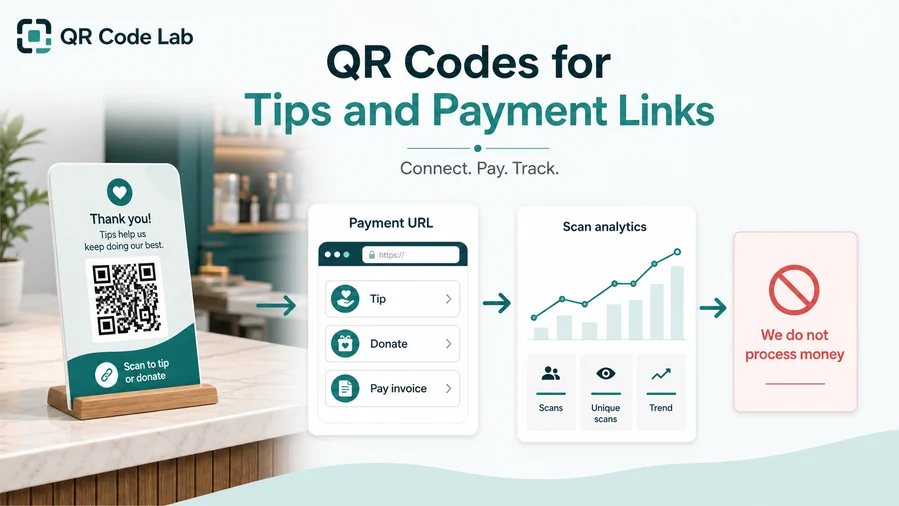
Deposits and balances
Use QR codes in confirmations and invoices to open trusted payment pages for appointments, packages, and events.
Gift sessions
Link gift certificates to redemption, terms, booking, and payment where needed.
Package checkout
Route package cards and follow-up materials to current offers, terms, and checkout.
The QR should open a trusted payment provider, not collect card details itself
Keep authentication, receipts, refunds, disputes, and payment confirmation inside the provider or billing system. The QR is only the shortcut.
Scan analytics only show QR scan activity. A scan does not mean a payment was completed.Massage payment QR codes should feel transparent
Clients should understand the service, provider, amount context, and policy before paying.
Therapist trust
Make massage therapist QR codes feel private, current, and practitioner-controlled
TrustMassage QR codes may open booking, intake, payments, aftercare, or reviews. The printed code and destination should clearly belong to the therapist and protect client comfort.
Unclear intake forms
Health and preference questions feel intrusive if the page does not explain the therapist identity and purpose.
Watch for similar-looking domains, long URLs, login or verify keywords, and pages asking for credentials after an unexpected scan.
Old booking links
Outdated availability, retired packages, wrong gift terms, and broken calendars create friction before the session.
A trustworthy QR should not make the final destination mysterious, especially on posters, labels, menus, parking signs, or event materials.
Payment confusion
Deposit, package, gift, and invoice pages need clear provider and session context.
Before paying, check the domain, HTTPS, amount, recipient, and whether the destination matches the place or brand that printed the QR.Scan like a first-time massage client
Confirm the first screen matches the printed CTA, shows the practitioner identity, and explains booking, intake, payment, or aftercare clearly.
The current detailed report is a static URL analysis. It helps reveal the encoded content and basic URL risk signals, but it does not guarantee that a destination is safe and does not replace browser, antivirus, payment, or bank security checks.Decoded content
See the raw value inside the QR before opening it.
Content type
Recognize URL, Wi-Fi, mailto, phone, SMS, vCard, or plain text.
URL risk signals
Review HTTPS, shorteners, IP addresses, long URLs, encoded characters, query parameters, and sensitive keywords.
Destination report
For URL codes, view final URL fields, static redirect report fields, domain fields, TLS placeholders, page metadata fields, and risk reasons.
Make your own QR codes easier to trust
A safe-looking QR code is not only about security. It is also about reducing uncertainty for the scanner. Use clear destination text, a branded landing page, normal HTTPS domains, and a visible explanation of what happens after scanning.