Piercing Shop QR Code for Booking, Consent & Aftercare Links
Create piercing shop QR codes for booking pages, artist portfolios, consent forms, aftercare instructions, reviews, maps, and contact cards. Use them on signs, cards, mirrors, and receipts.
Free QR code generator
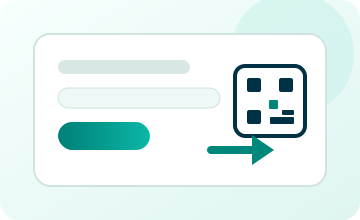
Create a QR code online
Generate QR codes for websites, email, phone numbers, vCards, Wi-Fi, plain text, forms, PDF files, and campaign links. Customize colors, add a logo or frame, then download a print-ready PNG or SVG.
Choose QR code type
Website QR code, Email QR code, Phone QR code, vCard QR code, Wi-Fi QR code, Text QR code, SMS, WhatsApp, event, and download links.
Add your content
Enter your website URL, contact details, message, phone number, location, or file destination before generating the QR code.
Customize and download
Adjust QR colors, error correction, logo, frame, size, and margin. Generate QR Code, Download PNG, Download SVG, or Save and track scans.
Studio client path
Help piercing clients book, prepare, and follow aftercare correctly
A piercing shop QR code is useful when clients need a clear next step before or after the appointment. It can open booking pages, artist portfolios, consent forms, aftercare instructions, review pages, maps, contact cards, jewelry care notes, or product pages. Piercing shops, body piercing studios, tattoo-adjacent studios, and appointment-based beauty businesses can use QR codes on cards, counters, windows, packaging, and aftercare handouts.
The real value is reducing uncertainty. A new client may want to compare artists, choose a service, understand age or ID requirements, sign a consent form, find the studio, or check aftercare later at home. A QR code can put that information in the client's hand without asking staff to repeat the same instructions or hoping a small printed card carries every detail.
QR Code Lab creates URL QR codes and can help with dynamic destinations and scan analytics. It does not process payments, collect forms, run bookings, provide legal advice, provide medical advice, or operate studio software. The linked booking, form, review, map, or aftercare page handles the actual workflow and any sensitive information.
Piercing client flow
Turn piercing shop visits into booking, aftercare, and repeat trust
StudioA piercing shop QR code should help clients book safely, understand aftercare, choose jewelry, submit consent forms, review the studio, or contact the team without relying on messy printed instructions.
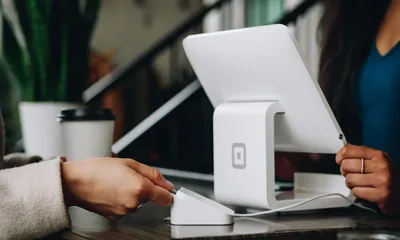
Open the right piercing appointment path
Send clients to booking for ear, nose, facial, body, jewelry change, consultation, or follow-up instead of a generic studio homepage.
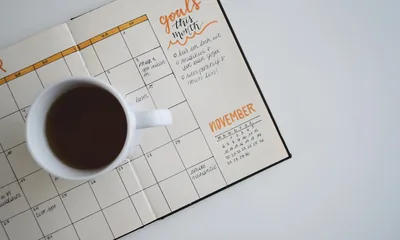
Make aftercare instructions easy to revisit
Use QR codes on aftercare cards, receipts, and packaging so clients can check cleaning steps, healing timelines, warning signs, and contact guidance later.

Prepare forms and policies before arrival
Use the QR for consent forms, ID requirements, age rules, parent or guardian notes, deposit policies, and appointment expectations.

Support jewelry choices after the visit
Link to jewelry material notes, sizing, downsizing appointments, product care, safe metals, and reorder or upgrade options.

Ask for reviews after the client feels cared for
A follow-up card can send happy clients to a review page while keeping healing questions and concerns on a private support path.

Route problems to the studio quickly
If clients worry about swelling, jewelry fit, irritation, or healing, the QR should make the studio contact path visible before they guess online.
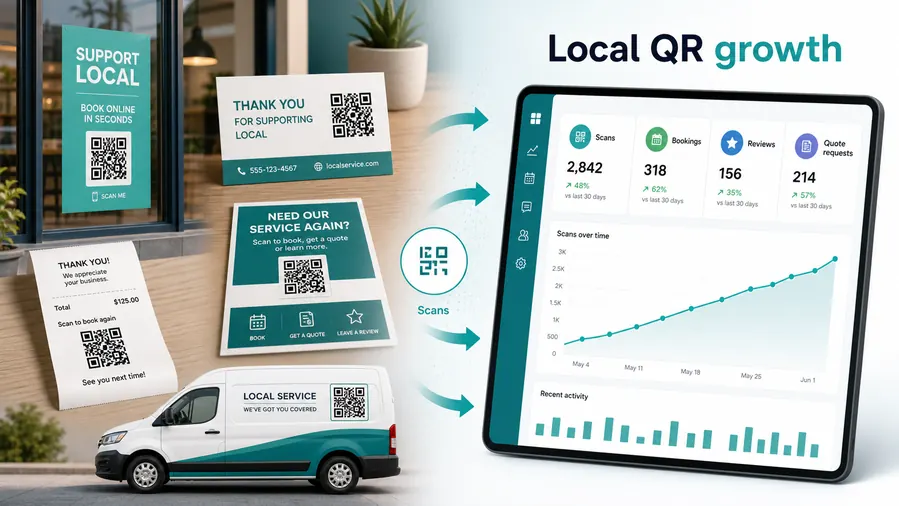
Clients need confidence before and after the piercing
The scan should make appointment prep, aftercare, jewelry guidance, and support feel professional and easy to find.
Studios need fewer repeated aftercare questions
A focused QR reduces repeated explanations while keeping safety-critical instructions, consent details, and follow-up paths consistent.
Use QR codes at each piercing client moment
Studio placement
Place piercing shop QR codes where clients need safety-critical details
PlacementPiercing QR placement should follow the client journey: booking, preparation, consent, aftercare, jewelry care, healing questions, and post-visit review.
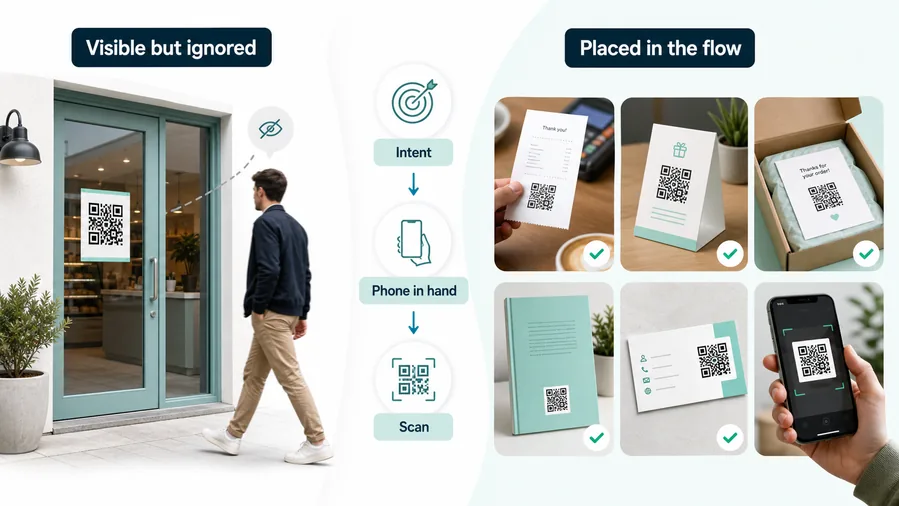
The QR opens the studio homepage for every need
A piercing client may need booking, age rules, aftercare, jewelry care, healing support, or a review path.
Sending every scan to the same homepage makes the client search again at the moment they need precise guidance.
The QR opens the right step for that moment
Use booking cards for appointments, aftercare sheets for healing instructions, jewelry packaging for material guidance, and follow-up cards for reviews or support.
The printed caption should make the destination clear because health and safety details should not feel vague.
Is this before or after the piercing?
Booking prep, consent, aftercare, jewelry care, and reviews belong to different moments.
Could the instruction affect healing?
Aftercare and warning-sign links should be easy to revisit and written clearly.
Does the client need to contact the studio?
Support paths should be obvious for swelling, irritation, jewelry fit, or follow-up concerns.
Will policies or forms change?
Use dynamic QR when consent forms, deposits, age rules, or aftercare pages may update.
Booking card or counter sign
Best for appointment types, deposits, ID rules, age policies, and consent forms.
Aftercare sheet
Use for cleaning steps, healing timelines, warning signs, and studio contact.
Jewelry packaging
Open material notes, sizing, care, downsizing, and safe replacement guidance.
Follow-up card
Send clients to reviews, support, next appointments, and jewelry upgrades.
Poster or event sign
Best where people pause: registration line, booth, waiting area, seat back, schedule board, or exit path. Weak when people only pass at speed.
Business card
Useful after a conversation because the person already knows why they might save a contact, open a portfolio, book a call, or follow up.
Window sign
Good for after-hours menus, booking, pickup instructions, or quick offers. Avoid complex actions when the person is outside and just walking by.
Cover or front label
Use it only when the promise is immediate and clear. Otherwise the better scan moment is often inside the material or after the first interaction.
Piercing QR placement should reduce risky guessing
Put the code where clients need accurate studio guidance, then make the next step clear enough to trust.
Review and support
Ask for piercing shop reviews without hiding aftercare support
TrustA piercing review QR should invite happy clients to share their experience while keeping healing questions, irritation concerns, jewelry fit issues, and aftercare support easy to reach privately.
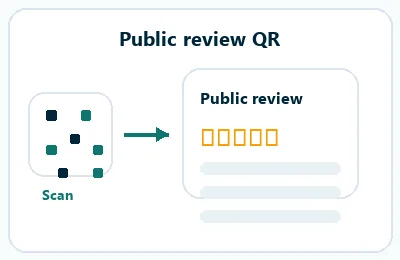
Ask after the client feels confident about the visit
Use review QR codes on follow-up cards, receipts, or thank-you notes after the appointment, when the client can judge cleanliness, communication, jewelry guidance, and care.
Follow-up cards, appointment receipts, jewelry packaging, and post-visit messages. Do not pressure clients to review while they still need aftercare help or have unresolved concerns.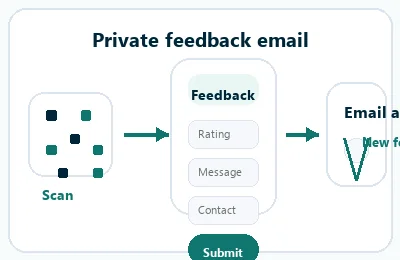
Route healing questions to the studio first
If a client is worried about swelling, irritation, jewelry movement, cleaning, or healing time, the QR path should make studio contact easy before public feedback.
Aftercare sheets, jewelry cards, support signs, and follow-up materials. Public reviews should not replace health, safety, or aftercare support.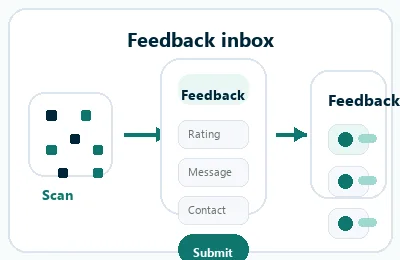
Tell clients what the QR opens
Use clear captions such as “Aftercare help,” “Review your visit,” or “Book downsizing” so clients know whether the scan is support, review, or appointment-related.
Any piercing shop print where several client actions could be confused. Vague QR labels are especially weak when clients need health-related guidance.A piercing QR should protect trust after the appointment
Make happy clients’ review path easy, but keep health and aftercare concerns on a direct support route.
Aftercare moment
Place the QR where clients need instructions again later
Use piercing shop QR codes on aftercare cards, appointment cards, consent handouts, mirrors, checkout counters, jewelry packaging, window signs, business cards, portfolio cards, product displays, and review request cards. The CTA should match the moment: book appointment, see aftercare, view portfolio, sign consent, get directions, or leave feedback. A client should not have to guess whether the scan opens a booking form or care instructions.
Aftercare is a strong use case because people often need instructions after they leave the studio. A small card can remind them what to do, while the QR opens the current full guide. Dynamic QR codes help when booking links, artist pages, care instructions, product recommendations, or review destinations change. QR Code Lab analytics can show whether clients use aftercare cards, studio signs, or booking cards most often. The content itself should stay practical, readable on mobile, and approved by the studio, especially when health-related instructions are involved.
For booking, keep the path direct. If the client scanned from an artist portfolio card, send them to that artist or service first instead of a broad homepage.