QR Code for Tattoo Shops - Booking, Consent & Aftercare
Create QR codes for tattoo shops linking booking pages, artist portfolios, consent forms, aftercare instructions, reviews, maps, and contact cards. Use them on mirrors, counters, cards, and forms.
Free QR code generator
Create a QR code online
Generate QR codes for websites, email, phone numbers, vCards, Wi-Fi, plain text, forms, PDF files, and campaign links. Customize colors, add a logo or frame, then download a print-ready PNG or SVG.
Choose QR code type
Website QR code, Email QR code, Phone QR code, vCard QR code, Wi-Fi QR code, Text QR code, SMS, WhatsApp, event, and download links.
Add your content
Enter your website URL, contact details, message, phone number, location, or file destination before generating the QR code.
Customize and download
Adjust QR colors, error correction, logo, frame, size, and margin. Generate QR Code, Download PNG, Download SVG, or Save and track scans.
Tattoo client path
Help clients open portfolios, booking, consent, aftercare, and reviews
A QR code for tattoo shops is useful when clients need a quick path from a window sign, artist card, studio wall, flash sheet, appointment card, consent packet, aftercare sheet, event booth, or review card to the right studio action. It can open artist portfolios, booking pages, consultation forms, consent forms, aftercare instructions, reviews, maps, contact cards, and social profiles.
Tattoo clients often move through several stages before and after an appointment. Before booking, they want to see style, healed work, pricing guidance, and artist availability. Before the session, they may need consent or prep notes. After the session, they need aftercare that is easy to reopen. A dynamic QR code helps when portfolios, booking links, forms, and aftercare pages change. QR Code Lab also tracks scans from printed studio materials.
QR Code Lab creates URL QR codes and scan analytics. It does not collect consent, process deposits, manage appointments, provide tattoo or medical advice, host portfolios by itself, or store client records. Your booking tool, form system, studio website, social profile, or aftercare page handles the real client workflow.
Tattoo client moments
Tattoo client moments beauty, salon, and personal care teams with booking, service menus, portfolios, reviews, intake forms, aftercare, coupons, and client follow-up
Studio workflowUse QR codes to move beauty, salon, and personal care teams from mirrors, chairs, reception cards, aftercare sheets, portfolios, product displays, and appointment reminders to booking, service menus, portfolios, reviews, intake forms, aftercare, coupons, and client follow-up without asking clients to type a long URL.

Turn walk-in interest into a consult path
Use studio windows, artist cards, flash sheets, convention banners, and appointment cards to open portfolios, style examples, booking forms, and consult details.
The scan should show the artist or studio context immediately.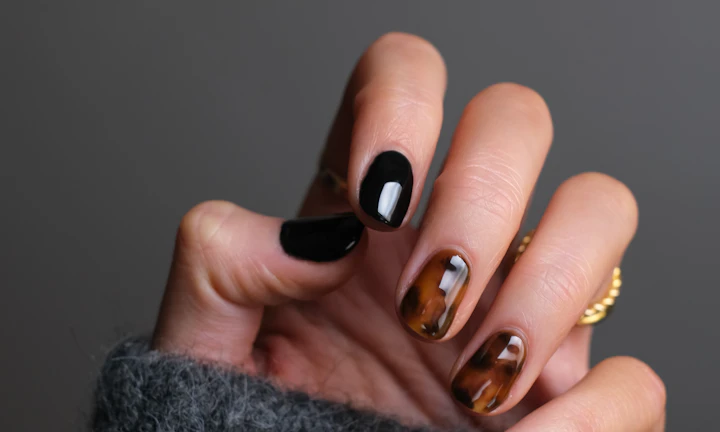
Make prep and aftercare easy to find
QR codes on appointment cards and aftercare sheets can open prep instructions, healing guidance, product notes, touch-up policy, and support contacts.
Clear care pages reduce repeated questions and risky guessing.
Keep deposits, policies, and reviews organized
Route clients to deposit links, consent forms, cancellation policy, private feedback, public reviews, referrals, and next-session booking from the right printed moment.
Sensitive paths need branded, trusted destinations.A tattoo QR code should respect trust, permanence, and timing
Clients are choosing art that stays on their body. The destination should help them judge style fit, understand prep, book confidently, pay clearly, heal safely, and contact the studio if anything is unclear.
Use specific CTAs: view portfolio, book consult, pay deposit, read aftercare, send reference, leave feedback, or contact artist.Portfolio context
Send each artist card or flash sheet to the right style, healed work, booking rules, and consult path.
Prep and aftercare
Keep appointment prep, healing stages, product notes, and warning signs readable on a phone.
Deposits and policies
Make payment purpose, cancellation rules, touch-up policy, and studio identity clear before checkout.
Feedback and repeat work
Invite reviews, referrals, healed-photo submissions, and next-session booking after the client has support.
Tattoo studio growth moments
Turn tattoo shop print into portfolios, consults, deposits, aftercare, reviews, and repeat appointments
Studio growthTattoo QR codes work when they match the client stage: discovering an artist, comparing styles, booking a consult, preparing for the appointment, paying a deposit, healing, reviewing, or returning for more work.
Show the right artist and style quickly
Link artist cards, flash sheets, convention displays, and studio signs to portfolios, healed work, style notes, and booking rules.

Move interest into a serious consult request
Open consult forms, reference upload, placement notes, sizing questions, availability, and deposit expectations from cards and signs.

Help clients arrive ready
Use appointment cards for prep instructions, ID requirements, skin prep, timing, cancellation policy, and what to bring.

Keep healing instructions easy to find
Aftercare sheets can open cleaning steps, product guidance, healing stages, warning signs, touch-up policy, and studio contact.

Make payment purpose and policy clear
Use branded deposit, balance, invoice, and merchandise payment pages with appointment or artist context.

Ask after care and support are handled
Use follow-up cards for private feedback, public reviews, healed-photo submission, referrals, and next-session booking.
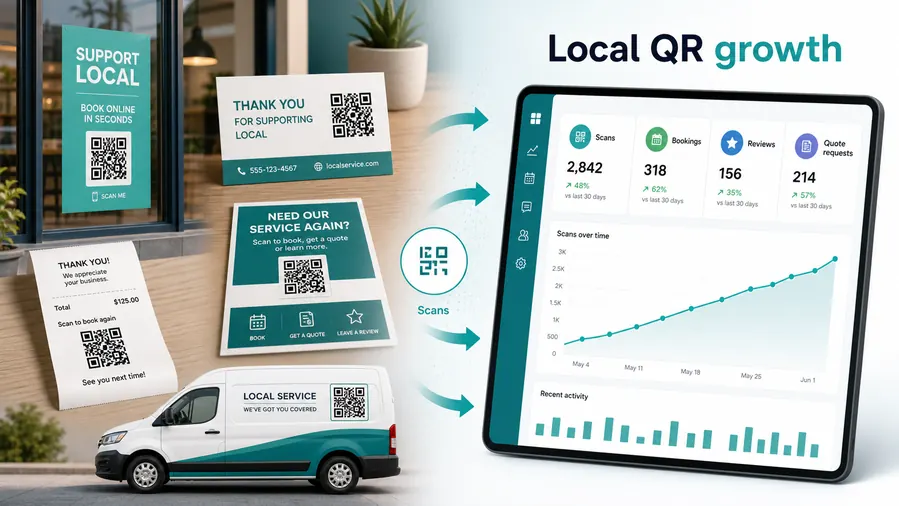
Tattoo clients scan when the next step lowers uncertainty
The destination should help them trust the artist, understand the process, prepare well, heal safely, and know how to contact the studio.
Editable QR keeps studio print current as artists, policies, and booking tools change
Dynamic QR lets shops update portfolios, booking forms, deposits, aftercare, policies, convention promos, and review paths without replacing every printed piece.
Match tattoo QR placement to the client stage
Studio placement
Place tattoo QR codes where clients choose, book, prepare, heal, pay, or review
PlacementTattoo QR placement should follow the studio workflow: portfolio discovery, consult request, appointment prep, deposit, aftercare, touch-up, feedback, and repeat booking.
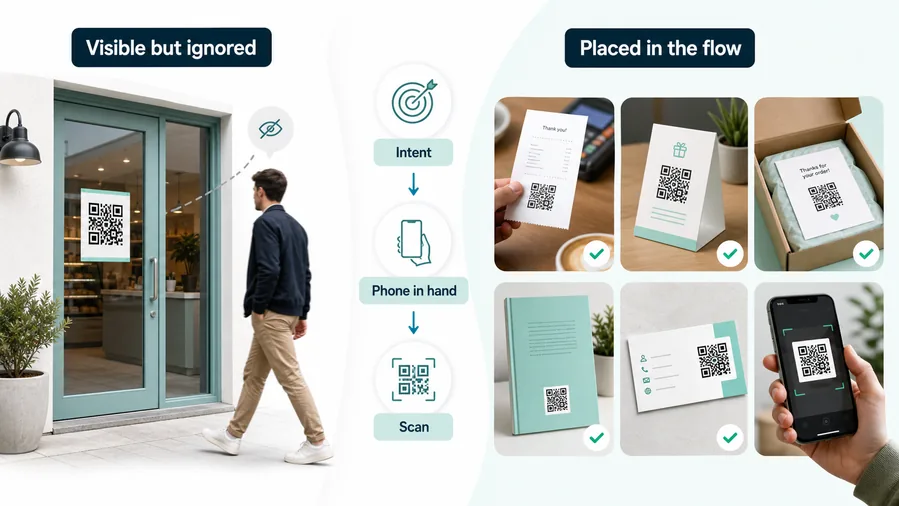
A generic studio QR does not answer the client question
A client scanning from a flash sheet needs a different destination than someone reading aftercare or paying a deposit.
Tattoo QR codes should be labeled by action, not treated as one homepage shortcut.
Put the code beside the decision it supports
Use artist cards for portfolios, appointment cards for prep, aftercare sheets for healing, invoices for payment, and windows for consults or events.
The first screen should show studio or artist identity clearly.
What is the client deciding?
Artist fit, tattoo style, consult, appointment prep, deposit, aftercare, touch-up, review, referral, or next session.
What should open first?
Portfolio, booking form, reference upload, prep notes, aftercare, payment, review, healed-photo upload, or support.
Will this printed piece stay around?
Use dynamic QR for artist cards, flash sheets, convention materials, policies, aftercare, and deposit links.
Is the action sensitive?
Deposits, consent, medical-style questions, references, and aftercare concerns should open trusted studio-controlled paths.
Artist card
Open portfolio, healed work, booking rules, consult form, and contact.
Flash sheet
Link available designs, artist notes, size guidance, booking, and deposit expectations.
Appointment card
Share prep, timing, cancellation policy, deposit details, and reference upload.
Aftercare sheet
Open healing stages, cleaning steps, product notes, warning signs, touch-up policy, and support.
Studio window
Promote portfolios, walk-in rules, consult booking, events, and guest artists.
Convention banner
Route scans to artist availability, flash, booking, deposit, and follow-up pages.
Invoice or receipt
Open payment confirmation, aftercare, review, referral, and next appointment.
Merch or sticker
Connect fans to artist profile, shop, newsletter, events, and booking.
Tattoo QR placement should match the client commitment level
The more personal or expensive the next step is, the clearer the printed CTA and destination must be.
Tattoo scan UX
Make the tattoo shop scan feel trusted, visual, and useful on a phone
Scan UXTattoo clients scan because they want proof, clarity, and next steps. The first screen should show the artist or studio, explain the action, and avoid dumping them on a generic page.
Portfolio scans should show style fit quickly
Artist, healed work, flash, bookingLead with artist name, visual work, style categories, booking status, and consult CTA so clients know they are in the right place.
Do not bury booking rules and reference upload behind a broad studio homepage.
Prep and aftercare scans should be calm and specific
Prep, healing, products, touch-upUse readable phone pages for appointment prep, healing stages, product instructions, warning signs, touch-up policy, and contact details.
The client should not have to interpret vague aftercare from memory.
Deposit scans need policy context
Deposit, balance, invoice, merchBefore payment, show studio identity, artist or appointment context, amount purpose, cancellation policy, and support.
Keep payment and consent paths clearly separate from review or portfolio pages.
Does the first screen show the studio or artist?
The scanner should immediately know the QR belongs to the tattoo shop, artist, appointment, or aftercare sheet.
Is the next action specific?
Use view portfolio, book consult, send references, pay deposit, read aftercare, leave feedback, or contact studio.
Can the client get help?
Make support visible for appointment questions, healing concerns, payment issues, and policy confusion.
A tattoo QR code should reduce trust friction
If the scan does not help the client feel more confident about style, booking, care, or payment, it needs a better destination.
Tattoo feedback
Ask tattoo clients for reviews after aftercare and support are clear
ReviewsTattoo reviews are strongest after the client understands aftercare, knows how to ask support questions, and has enough context to judge the experience.
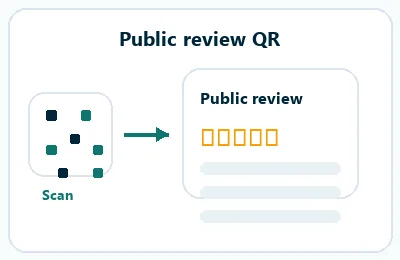
Invite reviews after the appointment experience is complete
Use follow-up cards, receipts, and healed-photo prompts when the client can comment on communication, comfort, artistry, cleanliness, and care.
Completed sessions, touch-up follow-ups, healed-photo requests, and repeat-client messages. Do not push for public praise while the client still needs aftercare help or issue support.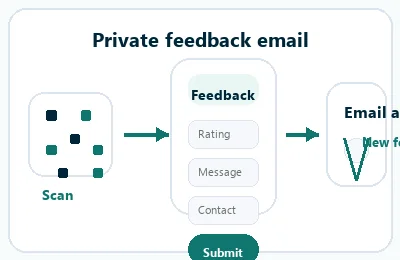
Keep a private path for sensitive concerns
Offer private feedback for healing questions, discomfort, policy confusion, scheduling, payment issues, artist communication, or accessibility concerns.
Aftercare sheets, appointment follow-ups, invoices, and studio support cards. Private support should not be hidden behind a review-only QR code.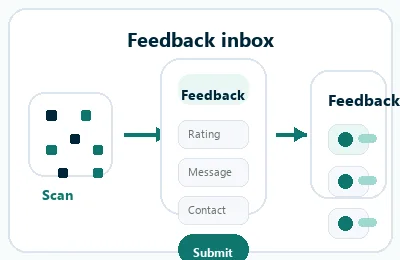
Invite referrals and repeat work after trust is protected
After support options are visible, suggest healed-photo upload, referral, next session, artist follow, or new project consult.
Review cards, healed-photo prompts, artist cards, and thank-you inserts. Keep promotion separate from urgent care or payment questions.Tattoo review QR codes should protect client trust first
The scan should make support and feedback easy before asking for public praise or another booking.
Studio and aftercare flow
Place tattoo QR codes where clients need trust, examples, and instructions
Useful placements include artist business cards, flash sheets, studio walls, appointment cards, consent packets, aftercare sheets, merchandise tags, event booth signs, review cards, and window decals. CTAs should say view portfolio, book consultation, complete form, read aftercare, save contact, get directions, follow artist, or leave review. The destination should match the artist or service shown on the printed piece.
Dynamic QR codes are helpful because artists change books, portfolios, forms, aftercare pages, and flash availability. You can update the destination without reprinting cards or aftercare sheets. Scan analytics can compare studio signs, artist cards, flash sheets, events, and aftercare materials, giving the shop a better sense of what clients actually use.
For tattoo content, clarity builds trust. A client should know whether the scan opens booking, consent, aftercare, or portfolio work. If personal information is involved, keep the page branded and recognizable. If the QR code appears on aftercare material, send it directly to aftercare instructions, not a general studio homepage. That makes the code feel like part of care, not just promotion.
Payment boundary
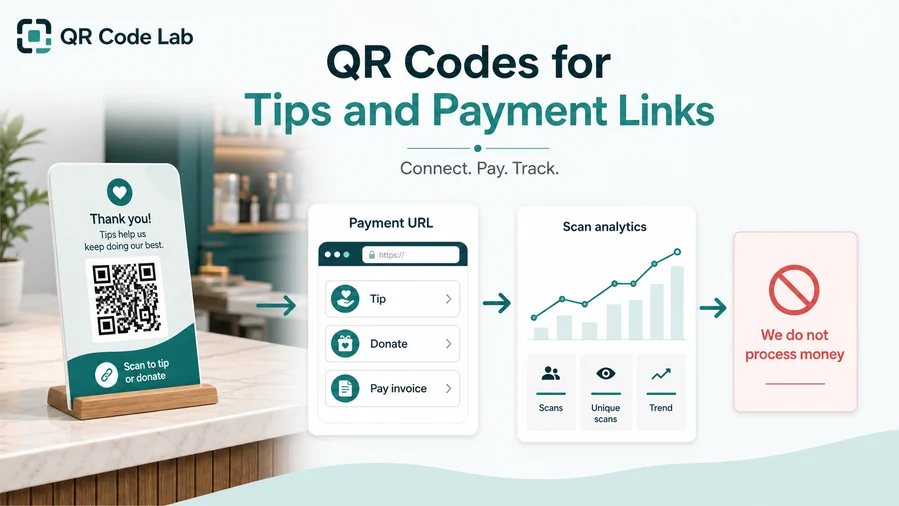
Use tattoo payment QR codes for deposits, balances, merch, tips, and invoices with studio context
PaymentsA tattoo payment QR should make clear whether the client is paying a deposit, session balance, consultation fee, touch-up fee, merchandise order, tip, or invoice.
Booking deposits
Open trusted payment pages from artist cards, booking replies, and appointment cards with artist, date, and policy context.
Session balances
Use invoices and receipts for balances, touch-ups, add-ons, gift cards, and payment confirmation.
Merchandise and events
Route flash drops, merch, convention deposits, guest artist events, and gift cards to clear checkout paths.
The QR opens a trusted payment page; it does not process money inside QR Code Lab
Keep checkout, receipts, refunds, disputes, deposits, tips, balances, and payment confirmation inside the restaurant, studio, taxi, booking, or payment provider.
A scan shows that someone opened the payment path, not that payment was completed.Tattoo payment QR codes need artist, appointment, and policy clarity
Clients should know exactly what the payment reserves or completes before submitting money.
Scan trust
Make tattoo shop QR codes trustworthy before clients book, pay, or follow care instructions
TrustTattoo QR codes can open portfolios, booking, deposits, consent, aftercare, reviews, and support. Each destination should clearly belong to the studio or artist.

Anonymous booking or deposit pages
Clients may hesitate to submit references, personal details, or deposits if the page does not show studio and artist identity.
Watch for similar-looking domains, long URLs, login or verify keywords, and pages asking for credentials after an unexpected scan.
Outdated aftercare or policy links
Old aftercare, moved booking forms, retired artists, and changed deposit rules can create support problems.
A trustworthy QR should not make the final destination mysterious, especially on posters, labels, menus, parking signs, or event materials.
Public sticker replacement
Studio windows, convention banners, and public cards should be checked for replaced or damaged QR labels.
Before paying, check the domain, HTTPS, amount, recipient, and whether the destination matches the place or brand that printed the QR.Scan the printed proof like a customer
Confirm that the destination shows the right brand, HTTPS page, action, price or booking context, and support path before people rely on it.
Public QR codes need more trust signals because anyone can scan them and some placements can be tampered with.Decoded destination
Check whether the QR opens the current portfolio, booking, deposit, aftercare, review, or support page.
Studio identity
Confirm the page shows the studio, artist, appointment, or policy context before forms or payment.
Care accuracy
Review aftercare, prep, touch-up, warning signs, and support details before printing.
Public placement
Inspect window, convention, and studio codes for sticker tampering or old material.
Publish QR codes people can verify
The printed CTA, page title, business identity, and first action should all describe the same destination.