QR Code for Skincare Clinics - Booking, Intake & Galleries
Create QR codes for skincare clinics linking booking pages, service menus, intake forms, reviews, galleries, aftercare pages, maps, and contact cards. Use them on counters, cards, mirrors, and forms.
Free QR code generator
Create a QR code online
Generate QR codes for websites, email, phone numbers, vCards, Wi-Fi, plain text, forms, PDF files, and campaign links. Customize colors, add a logo or frame, then download a print-ready PNG or SVG.
Choose QR code type
Website QR code, Email QR code, Phone QR code, vCard QR code, Wi-Fi QR code, Text QR code, SMS, WhatsApp, event, and download links.
Add your content
Enter your website URL, contact details, message, phone number, location, or file destination before generating the QR code.
Customize and download
Adjust QR colors, error correction, logo, frame, size, and margin. Generate QR Code, Download PNG, Download SVG, or Save and track scans.
Clinic booking path
Help skincare clients book, prepare, review, and follow aftercare
A QR code for skincare clinics is useful when clients need a simple path from a reception sign, treatment menu, appointment card, brochure, product shelf, aftercare sheet, or review card to the right clinic action. It can open booking pages, service menus, intake forms, before-and-after galleries, aftercare instructions, reviews, maps, contact cards, and current offers.
Skincare decisions often need trust and timing. A new client may scan a brochure to compare facials, peels, acne treatments, or consultation options. A returning client may scan an appointment card to rebook. A product buyer may scan a shelf label for care notes. After a treatment, an aftercare QR can reduce confusion and support better results. QR Code Lab helps create print-ready, dynamic, trackable codes for those touchpoints.
QR Code Lab creates URL QR codes and scan analytics. It does not provide medical or skincare advice, collect intake forms, process payments, manage bookings, or store client treatment records. Your clinic website, booking tool, review page, form system, or patient portal handles the actual client workflow.
Clinic client moments
Turn skincare clinic print into bookings, consult forms, aftercare, product guidance, payments, and reviews
Clinic growthSkincare clinic QR codes work best when they match the client stage: choosing a treatment, booking a consult, preparing for an appointment, following aftercare, buying products, paying, or leaving feedback.
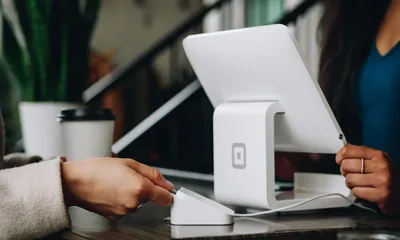
Move treatment interest into a consult or appointment
Open service menus, treatment fit notes, intake forms, availability, deposit rules, location, and booking pages from cards, posters, and treatment menus.
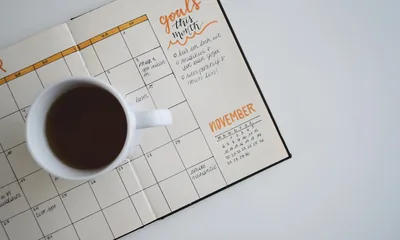
Collect helpful context before the visit
Route clients to skin goals, contraindications, medications, allergies, photos, consent notes, and provider questions through clinic-controlled forms.

Keep treatment instructions easy to find
Use aftercare cards for post-peel, facial, acne, laser, microneedling, SPF, product timing, what to avoid, and when to contact the clinic.

Connect retail recommendations to routines
Product displays and take-home cards can open routine steps, ingredient notes, reorder links, patch-test guidance, and support.

Make deposits and balances clear
Use invoices and booking cards for deposits, packages, memberships, balances, receipts, and billing support through trusted pages.

Ask after results and support are handled
Use follow-up cards for private feedback, public reviews, referrals, progress check-ins, and next-treatment reminders.
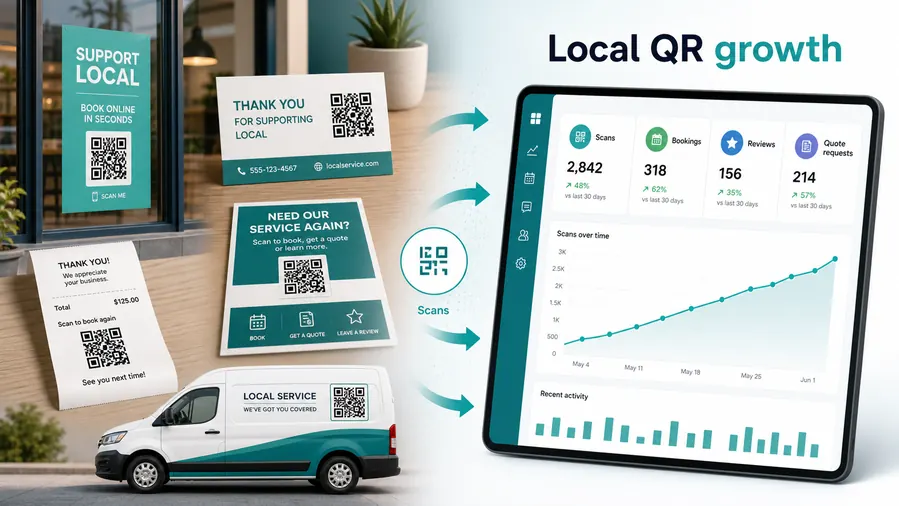
Skincare clients scan when trust, timing, and care instructions matter
The destination should help them book confidently, prepare safely, follow aftercare, understand products, and contact the clinic if something feels wrong.
Editable QR keeps clinic print current as services, products, and policies change
Dynamic QR lets clinics update booking pages, intake forms, aftercare, product routines, payment links, review pages, and offers without replacing every card.
Match skincare QR placement to the client stage
Clinic placement
Place skincare QR codes where clients book, prepare, follow aftercare, buy products, or review
PlacementSkincare QR placement should follow the clinic journey: treatment discovery, consultation, appointment prep, aftercare, product routine, payment, feedback, and next booking.
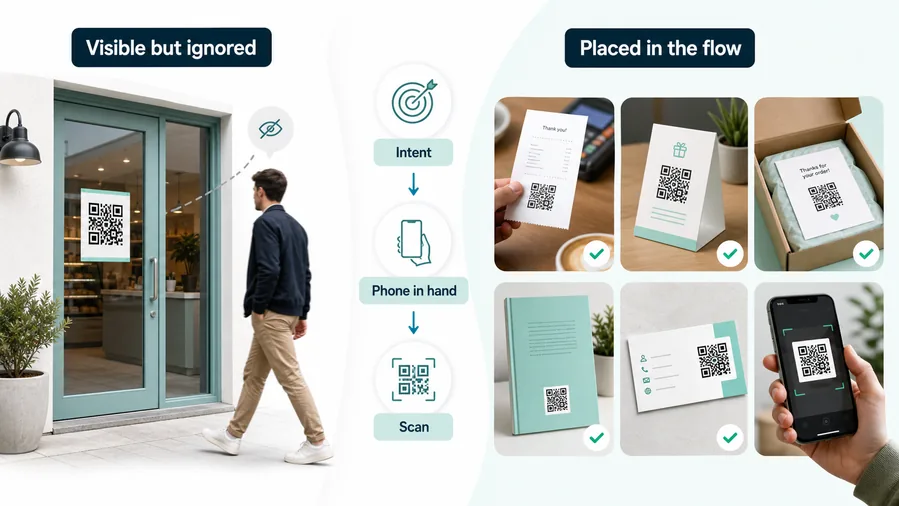
A clinic QR without a specific treatment promise feels vague
Clients need to know whether the scan opens booking, intake, aftercare, product advice, payment, review, or support.
Skincare scans work when the printed CTA matches a real care moment.
Put the code beside the client action it supports
Use treatment menus for booking, appointment cards for prep, aftercare sheets for recovery, product displays for routines, and receipts for reviews.
The first screen should show the clinic identity and the exact next step.
What is the client trying to do?
Choose treatment, book consult, complete intake, prepare, follow aftercare, buy products, pay, or give feedback.
What should open first?
Booking, treatment notes, intake, consent, aftercare, warning signs, product routine, payment, or support.
Will the destination change?
Use dynamic QR for booking tools, treatment menus, aftercare, product links, forms, deposits, and review prompts.
Is the context sensitive?
Keep medical-style claims, contraindications, payments, consent, and client data on trusted clinic-controlled pages.
Treatment menu
Open service details, fit notes, pricing context, booking, and consult forms.
Appointment card
Share prep, intake, arrival notes, contraindications, and rescheduling.
Aftercare sheet
Link recovery steps, product timing, warning signs, SPF, and clinic contact.
Product shelf
Open routine guidance, ingredients, reorder, patch-test notes, and support.
Invoice
Route to trusted payment, package details, receipt, and billing help.
Review card
Invite private feedback, public review, referral, and next-treatment reminder.
Window sign
Promote consultation, seasonal treatments, location, and booking.
Membership card
Show package benefits, renewal, booking, product perks, and support.
Skincare QR placement should make care, booking, and follow-up safer and clearer
If the code does not help with treatment choice, prep, aftercare, payment, product routine, or feedback, it needs a sharper role.
Clinic scan UX
Make the skincare scan open a clear clinic-controlled next step
Scan UXA skincare QR code is useful only when the first screen matches the printed promise and feels appropriate for booking, intake, aftercare, products, payment, or feedback.
Booking scans should reduce appointment friction
Consult, treatment, calendar, depositThe page should show the clinic name, treatment context, availability path, deposit rules, and what information the client may need before booking.
Avoid sending treatment-menu scans to a broad homepage where the client must search again.
Aftercare scans should be calm and specific
Recovery, contraindications, products, warning signsThe first screen should name the treatment or care category and make instructions readable on a phone.
Support contact should be visible for irritation, reactions, missed steps, or urgent questions.
Product and payment scans need trust context
Routine, reorder, membership, invoiceProduct recommendations and payments should clearly show the clinic, product, package, or invoice context before asking the client to act.
Keep sensitive data, payment, and consent inside trusted systems.
Does the first screen match the clinic CTA?
The scanner should know immediately whether they are booking, reading aftercare, buying a product, paying, or giving feedback.
Is the clinic identity obvious?
Show the clinic or provider name before asking for health-adjacent details, payment, consent, or feedback.
Is the action easy on a phone?
Keep forms short, buttons visible, aftercare readable, support reachable, and payment context clear.
The scan should feel like part of the clinic experience
A skincare QR code should reduce uncertainty, not create another search or trust question.
Clinic feedback
Ask skincare clients for reviews after care instructions and support are clear
ReviewsSkincare feedback works best after the appointment, product experience, or visible outcome has had time to settle. Keep public reviews, private concerns, aftercare questions, and follow-up booking separate.
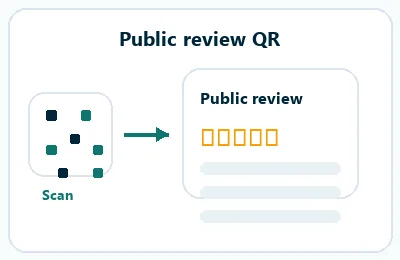
Invite reviews after the treatment experience is complete
Use follow-up cards and receipts when the client has received the service and knows how the clinic handled care, comfort, and communication.
Facials, peels, acne care, memberships, product consults, and non-urgent follow-up. Do not pressure clients to review before reactions, aftercare, or support questions are resolved.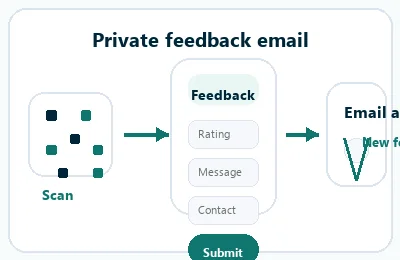
Give clients a direct path for sensitive concerns
Offer private feedback for irritation, product reactions, discomfort, scheduling, billing, provider communication, or aftercare confusion.
Aftercare cards, follow-up messages, invoices, and treatment packets. Private support should be visible beside public review prompts.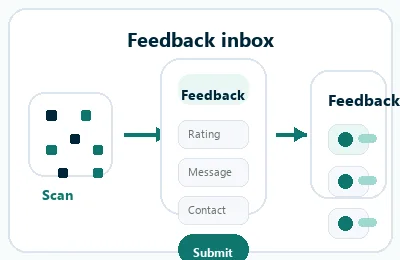
Invite the next appointment after trust is protected
After review and support options, suggest maintenance booking, membership, product reorder, referral, or seasonal treatment.
Receipts, membership cards, product bags, and follow-up cards. Do not mix medical-style support questions with aggressive promotion.Skincare review QR codes should protect client trust first
The scan should make feedback and support easy before asking for public praise or the next booking.
Treatment and aftercare flow
Place skincare QR codes where clients need confidence and next steps
Useful placements include reception signs, treatment menus, consultation cards, product shelves, appointment cards, aftercare sheets, packaging inserts, review cards, window signs, and local flyers. CTAs should say book consultation, view services, complete intake, see gallery, read aftercare, save contact, get directions, claim offer, or leave review. The label should make the benefit clear before the client scans.
Dynamic QR codes help when service menus, offers, booking pages, aftercare notes, review links, and gallery pages change. Scan analytics can compare reception materials, product shelves, aftercare sheets, and local ads. That gives the clinic a practical signal about which printed items help clients move forward, while the clinic software keeps control of bookings, forms, records, and payments.
Keep the scan experience calm and trustworthy. Show the clinic name, the promised action, and mobile-friendly content quickly. If the destination asks for personal details, use a branded page and avoid vague short links. For aftercare, send clients to the exact treatment guidance instead of a general blog. That small bit of clarity can reduce calls and help clients follow instructions correctly.
Payment clarity
Use skincare clinic payment QR codes for deposits, packages, balances, products, and memberships with clear context
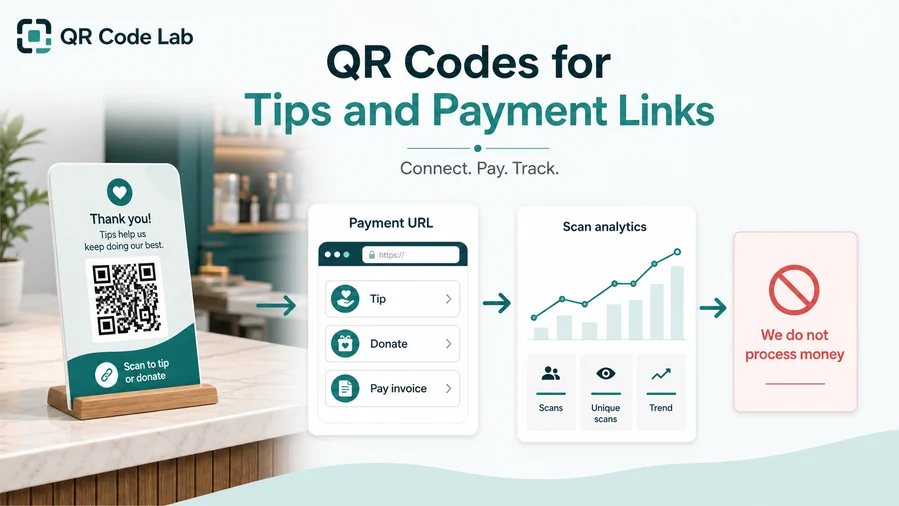
PaymentsA skincare payment QR should show whether the client is paying a deposit, treatment balance, package, membership, product order, cancellation fee, or invoice.
Deposits and booking fees
Open trusted payment pages from booking cards, appointment reminders, and treatment menus with clinic and service context.
Packages and memberships
Use invoices and membership cards for packages, renewals, credits, subscriptions, and balance checks.
Products and routines
Route recommended products, refills, bundles, and reorder pages through branded product or commerce pages.
The QR should open a trusted payment provider, not collect card details itself
Keep authentication, receipts, refunds, disputes, financing, and confirmation inside the provider, booking, billing, or commerce system. The QR is only the shortcut.
Scan analytics only show QR scan activity. A scan does not mean a payment was completed.Skincare payment QR codes need treatment and clinic clarity
Clients should know exactly which service, package, or product the scan belongs to before paying.
Customer trust
Make skincare QR codes trustworthy before clients book, share details, pay, or follow aftercare
TrustSkincare QR codes may open booking, intake, aftercare, product routines, payments, reviews, and support. The destination should clearly match the clinic and client action.

Anonymous intake or booking pages
Clients may hesitate to share skin concerns, photos, medications, allergies, or contact details if the page does not show the clinic identity.
Watch for similar-looking domains, long URLs, login or verify keywords, and pages asking for credentials after an unexpected scan.
Unclear aftercare or product advice
Treatment instructions, contraindications, product routines, and warning signs need current clinic-controlled content.
A trustworthy QR should not make the final destination mysterious, especially on posters, labels, menus, parking signs, or event materials.
Vague payments or reviews
Deposits, packages, memberships, product orders, and review prompts need service context and visible support.
Before paying, check the domain, HTTPS, amount, recipient, and whether the destination matches the place or brand that printed the QR.Scan like a customer before printing
Confirm the first screen matches the printed CTA, shows the business identity, and opens the current booking, quote, payment, review, aftercare, or support path.
The current detailed report is a static URL analysis. It helps reveal the encoded content and basic URL risk signals, but it does not guarantee that a destination is safe and does not replace browser, antivirus, payment, or bank security checks.Decoded content
See the raw value inside the QR before opening it.
Content type
Recognize URL, Wi-Fi, mailto, phone, SMS, vCard, or plain text.
URL risk signals
Review HTTPS, shorteners, IP addresses, long URLs, encoded characters, query parameters, and sensitive keywords.
Destination report
For URL codes, view final URL fields, static redirect report fields, domain fields, TLS placeholders, page metadata fields, and risk reasons.
Make your own QR codes easier to trust
A safe-looking QR code is not only about security. It is also about reducing uncertainty for the scanner. Use clear destination text, a branded landing page, normal HTTPS domains, and a visible explanation of what happens after scanning.