
QR Code for Martial Arts Schools - Classes & Trial Forms
Create QR codes for martial arts schools linking class schedules, trial forms, waivers, videos, events, reviews, payment pages, and guides. Use them on flyers, matside signs, handouts, and ads.
Free QR code generator
Create a QR code online
Generate QR codes for websites, email, phone numbers, vCards, Wi-Fi, plain text, forms, PDF files, and campaign links. Customize colors, add a logo or frame, then download a print-ready PNG or SVG.
Choose QR code type
Website QR code, Email QR code, Phone QR code, vCard QR code, Wi-Fi QR code, Text QR code, SMS, WhatsApp, event, and download links.
Add your content
Enter your website URL, contact details, message, phone number, location, or file destination before generating the QR code.
Customize and download
Adjust QR colors, error correction, logo, frame, size, and margin. Generate QR Code, Download PNG, Download SVG, or Save and track scans.
Class enrollment path
Help students and parents reach schedules, trials, waivers, and training resources
A QR code for martial arts schools is useful when students and parents need a direct path from a flyer, lobby sign, trial card, tournament poster, belt requirement sheet, or front desk handout to the right next step. It can open class schedules, trial lesson forms, waiver pages, student guides, event pages, payment links, reviews, and training videos. Dojos, karate schools, jiu-jitsu gyms, taekwondo programs, self-defense instructors, youth class providers, and local fitness schools can use QR codes across enrollment and retention.
The scan should match the decision stage. A parent at an open house may need class times and trial booking. A student after class may need a belt requirement guide or practice video. A tournament flyer may need registration, maps, and schedule updates. A front desk sign can open waiver instructions. A review card can ask families for feedback after the first month instead of interrupting them at pickup. QR Code Lab helps create print-ready codes, dynamic destinations, and scan analytics.
QR Code Lab creates URL QR codes only. It does not manage classes, sell memberships, host files, collect waivers, or run school management software. Your registration platform, LMS, payment tool, video host, or school website handles the actual student workflow.
Dojo enrollment path
Help martial arts families move from interest to trial class, schedule, waiver, and membership
ClassesA martial arts school QR code should guide parents, students, and event visitors to the right next step: book a trial, view class schedule, complete a waiver, download beginner info, check belt resources, pay fees, or contact the instructor.

Turn local interest into trial classes
Use QR codes on flyers, school posters, uniforms, demo booths, referral cards, and storefront signs to open trial booking, age groups, schedules, pricing, and parent information.
The scan should make it easy for a family to take the first safe step.
Support students between classes
A QR destination can open belt requirements, practice videos, terminology, event calendars, tournament forms, uniform notes, and attendance reminders.
Learning continues after the student leaves the mat.
Keep schedules, waivers, and events current
Dynamic QR helps when class times, camp dates, seminars, waiver forms, membership pages, and tournament links change after flyers are printed.
Martial arts calendars move faster than printed posters.A martial arts QR should match the student stage
A new parent, beginner student, active member, tournament participant, and referral partner need different information. The scan should route each printed placement to the right action.
Use CTAs such as book a trial class, view schedule, sign waiver, download beginner guide, pay membership, or check belt requirements.New students
Open trial booking, age group fit, pricing, safety notes, and what to expect.
Parents
Route to schedules, waivers, calendars, uniforms, policies, and contact.
Members
Share belt resources, practice videos, events, payments, and announcements.
Events
Connect demos, tournaments, seminars, and camps to registration and follow-up.
Martial arts resources
Connect printed martial arts materials to the exact class resource students need
LearningMartial arts QR codes are useful when flyers, handouts, belt sheets, posters, or parent notices should open the matching schedule, waiver, video, form, event page, or beginner guide without a search.

Attach trial booking to local flyers and referral cards
Send families to age groups, trial availability, beginner expectations, pricing context, and instructor contact.

Keep class times current after print
Use dynamic QR on posters and handouts so parents can check current class times, holidays, camps, and seminars.

Open the correct waiver before the first class
Put waiver QR codes on trial packets, event signs, and front desk materials so paperwork is not delayed at the door.

Support practice between classes
Link belt sheets to terminology, forms, drills, videos, and expectations for the next rank.

Send demos and tournaments to registration
Use event flyers for camp signup, seminar registration, tournament forms, and event-day details.

Give parents one clear info path
Open policies, uniforms, calendar, contact, attendance notes, and payment instructions.

Share announcements without reprinting every notice
Use class posters for closures, testing dates, workshops, photos, and program updates.

Ask after a trial or event
Invite private feedback, reviews, or referral interest after the family has experienced the school.
Students and parents should land on the right martial arts resource immediately
The QR code should remove searching and guessing by opening the exact schedule, waiver, trial form, belt resource, or event page connected to the printed material.
Instructors can update schedules and resources without reprinting
Dynamic QR helps when trial forms, class times, videos, camp dates, tournament links, waivers, or parent notices change after materials are printed.
Put the QR beside the training moment
Events, conferences, and weddings
Give martial arts students and parents the right action at each event moment
Attendee flowTournaments, belt tests, demos, seminars, camps, and open houses all need different QR destinations: registration, schedule, waiver, map, rules, photos, payment, or feedback.

Open registration before the event fills
Use QR codes on posters, handouts, and emails so families can register for camps, seminars, tournaments, and trial classes from their phone.

Show schedule and location on event day
Place schedule QR codes at the front desk, gym entrance, and staging area so parents know times, rooms, and next steps.

Collect waivers without paper bottlenecks
Use waiver QR codes near check-in and trial class intake so staff are not sorting forms while students wait.

Share follow-up after the event
Route attendees to photos, next class offers, feedback, belt information, or membership consultation after the event ends.

Speaker materials and feedback
After a session, attendees can scan a slide, poster, handout, or table sign to open slides, PDFs, worksheets, links, speaker profile, Q&A, or feedback form. The attendee gets the materials; the organizer gets a clean follow-up action.
Families should not have to guess what the event QR opens
The CTA should name the action: register, sign waiver, view schedule, read rules, pay fee, or send feedback.
Separate event codes when reporting matters
Use different dynamic QR codes for posters, front desk signs, demo booths, referral cards, and follow-up handouts when the school wants to compare placements.
Match the QR placement to the school event flow
Dojo placement
Place martial arts QR codes where students and parents are ready for the next step
PlacementThe best martial arts QR placement matches the school flow: local flyer for trial booking, front desk for waivers, belt sheet for practice, event poster for registration, and follow-up card for reviews or referrals.
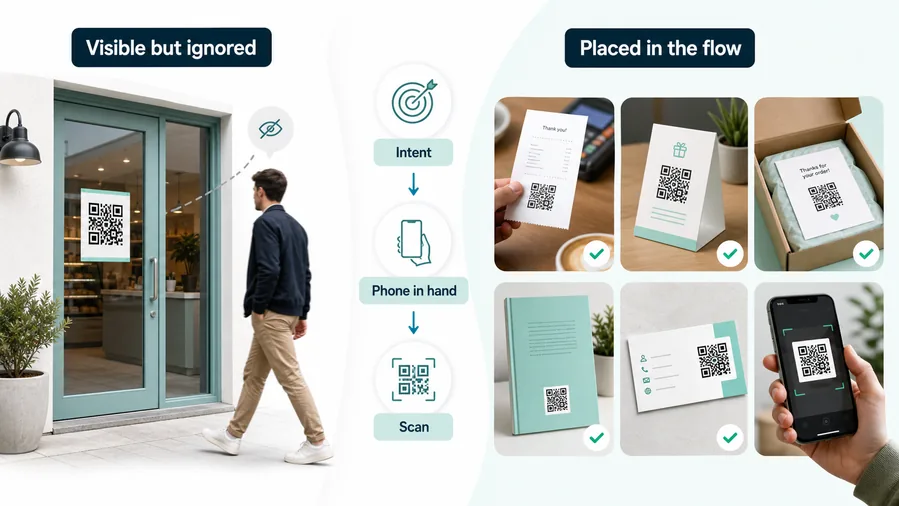
A generic code does not explain the school action
Parents may not know whether the QR opens schedule, pricing, waiver, registration, or belt information.
A martial arts QR needs a clear CTA because families are often comparing options.
Put the code beside the student stage it supports
Use flyers for trial classes, front desk signs for waivers, belt sheets for practice resources, and event posters for registration.
The first screen should match the printed promise.
Who is scanning?
New parent, beginner student, active member, tournament participant, or referral partner.
What should happen next?
Book trial, view schedule, sign waiver, register event, pay fee, watch practice video, or contact instructor.
Will the destination change?
Use dynamic QR for schedules, waivers, seminars, camps, events, and membership pages.
Is the code easy to scan in the space?
Use enough size and contrast on posters, front desk signs, handouts, and event displays.
Local flyer
Open trial booking, age groups, pricing context, schedule, and parent info.
Front desk sign
Route to waiver, calendar, payment, uniform notes, and contact.
Belt requirement sheet
Open practice videos, terminology, drills, and test expectations.
Event poster
Send families to registration, schedule, map, rules, and follow-up.
Referral card
Connect friends to trial class, intro offer, and what to expect.
Parent packet
Show policies, calendar, payments, uniform guide, and communication links.
Uniform or gear insert
Open care notes, sizing, gear rules, and reorder links.
After-class handout
Invite feedback, review, next program, or camp registration.
Martial arts QR placement should guide the next training step
If the code does not make enrollment, practice, event, or parent communication easier, it should not be there.
School scan reading
Read martial arts QR scans by flyer, event, front desk, and class placement
AnalyticsQR analytics can show which flyers, referral cards, event posters, front desk signs, belt sheets, or parent packets get attention. Use the signal to improve enrollment and communication.
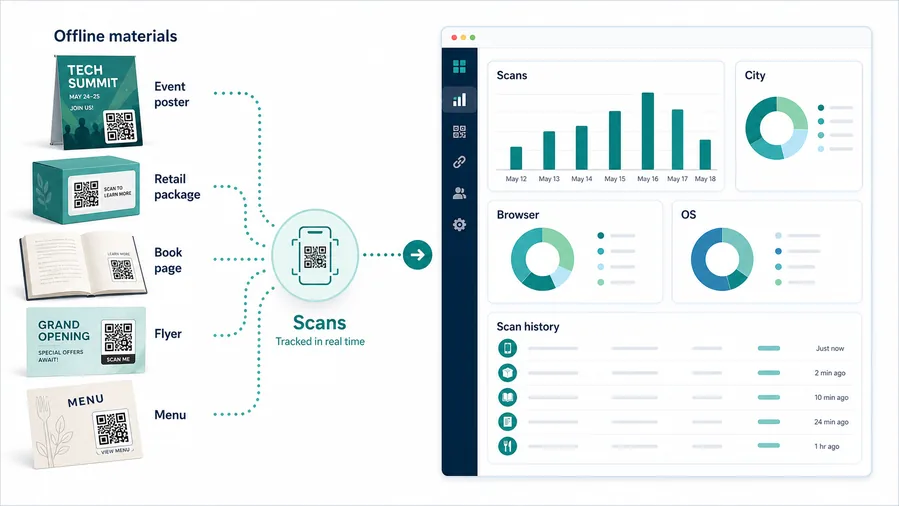
All interest becomes one school total
A single QR can show general scans, but it cannot tell whether a flyer, referral card, event poster, or front desk sign produced them.
Use one code only when comparison does not matter.
Each enrollment or event placement becomes readable
Separate dynamic QR codes let you compare trial booking, waiver, event registration, belt resources, and follow-up placements.
The data helps improve print and parent communication without overclaiming every enrollment source.
Scan volume
See how often each school placement is scanned.
Time and device
Check when families scan and which device or browser opens the destination.
Broad location
Use approximate location carefully for local campaigns, schools, and event outreach.
Placement comparison
Compare flyers, referral cards, event posters, front desk signs, belt sheets, and parent packets.
Name codes by school action
Use names such as flyer-trial, desk-waiver, belt-yellow, event-seminar, or referral-kids-class.
Compare enrollment and member communication separately
Trial booking, events, waivers, payments, and belt resources should use separate codes if reporting matters.
Keep expectations practical
Scan data shows attention and timing; enrollment, attendance, and payments still need their own systems.
Books and printed content
Learn whether readers open bonus pages, downloads, updates, or feedback forms from book pages.
Martial arts QR analytics are useful when codes match the school workflow
Good naming turns scans into decisions about outreach, events, and parent communication.
Dojo and event flow
Place QR codes where families pause, decide, or ask for the next step
Good placements include lobby signs, trial class flyers, tournament posters, belt requirement sheets, attendance cards, window decals, school bags, event handouts, review cards, front desk materials, and parent packets. Use CTAs like book a trial class, view schedule, sign waiver, open student guide, register for tournament, watch practice video, or leave feedback. The destination should be mobile-friendly because parents often scan between pickup, parking, and quick conversations.
Dynamic QR codes help when schedules, waiver links, event pages, trial offers, and training resources change. Scan analytics can compare flyers, lobby signs, tournament materials, and referral cards. That helps a school understand which offline touchpoints lead to trial bookings or parent engagement without forcing staff to manually ask every visitor how they heard about the program.
Use separate flows for new families and current students. A trial flyer should sell the first class. A belt guide should help practice. Mixing those jobs makes the scan less useful. For youth programs, keep parent-facing pages clear about schedule, age group, trial process, and what information the form will request.
Class payments
Use martial arts payment QR codes for fees, events, uniforms, and memberships with clear context
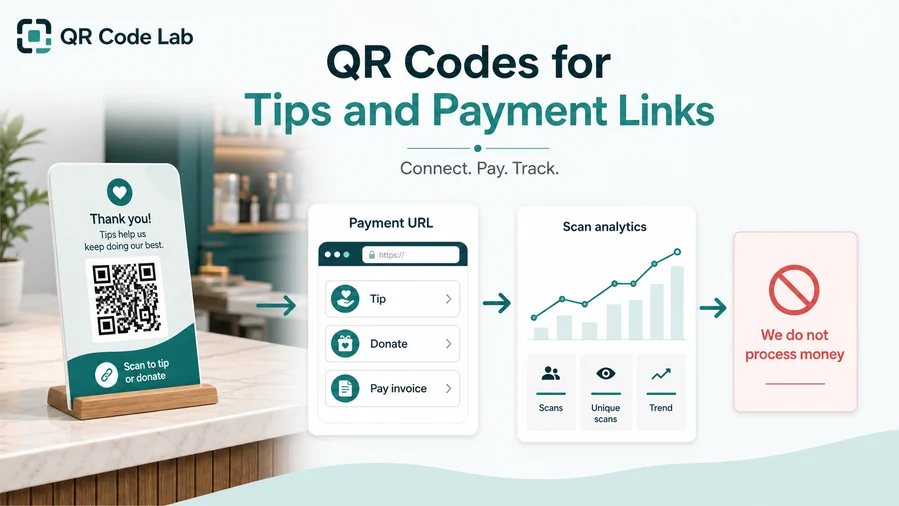
PaymentsA payment QR at a martial arts school should show whether it opens membership dues, trial fee, camp registration, seminar payment, belt test fee, uniform order, or invoice balance.
Membership dues
Use QR shortcuts for trusted billing pages while account confirmation stays with the provider.
Events and camps
Route seminars, camps, tournaments, belt tests, and workshops to the correct registration and payment page.
Uniforms and gear
Open order forms, size guides, payment pages, and pickup instructions from front desk signs or packets.
The QR should open a trusted payment provider, not collect card data itself
Keep payment authentication, receipts, refunds, and account questions inside the provider or school billing system. The QR is only the shortcut.
Scan analytics only show QR scan activity. A scan does not mean a payment was completed.Martial arts payment QR codes need parent-friendly clarity
Families should understand the fee, event, provider, and next step before paying.
School trust
Make martial arts QR codes clear and safe for parents to use
TrustParents may scan for waivers, trial booking, payment, class schedules, or child-related forms. The code should clearly belong to the school and open the promised destination.

Unclear waiver links
A generic form can make parents unsure whether they are submitting the right information for the right class or event.
Watch for similar-looking domains, long URLs, login or verify keywords, and pages asking for credentials after an unexpected scan.
Outdated schedules
Old flyers and posters can send families to retired class times, camp dates, or registration pages.
A trustworthy QR should not make the final destination mysterious, especially on posters, labels, menus, parking signs, or event materials.
Mixed payment and student data
Payment pages, waivers, and student information should be clearly separated and handled by trusted systems.
Before paying, check the domain, HTTPS, amount, recipient, and whether the destination matches the place or brand that printed the QR.Scan like a parent before the material goes out
Confirm the first screen shows the school identity, the correct action, and a mobile-friendly path for trial booking, waiver, payment, or schedule.
The current detailed report is a static URL analysis. It helps reveal the encoded content and basic URL risk signals, but it does not guarantee that a destination is safe and does not replace browser, antivirus, payment, or bank security checks.Decoded content
See the raw value inside the QR before opening it.
Content type
Recognize URL, Wi-Fi, mailto, phone, SMS, vCard, or plain text.
URL risk signals
Review HTTPS, shorteners, IP addresses, long URLs, encoded characters, query parameters, and sensitive keywords.
Destination report
For URL codes, view final URL fields, static redirect report fields, domain fields, TLS placeholders, page metadata fields, and risk reasons.
Make your own QR codes easier to trust
A safe-looking QR code is not only about security. It is also about reducing uncertainty for the scanner. Use clear destination text, a branded landing page, normal HTTPS domains, and a visible explanation of what happens after scanning.