Referral QR Code - Invite Pages, Rewards & Signup Links
Create referral QR codes linking invite pages, referral forms, reward pages, app downloads, promo pages, and customer signup flows. Use them on cards, receipts, packaging, posters, and events.
Free QR code generator
Create a QR code online
Generate QR codes for websites, email, phone numbers, vCards, Wi-Fi, plain text, forms, PDF files, and campaign links. Customize colors, add a logo or frame, then download a print-ready PNG or SVG.
Choose QR code type
Website QR code, Email QR code, Phone QR code, vCard QR code, Wi-Fi QR code, Text QR code, SMS, WhatsApp, event, and download links.
Add your content
Enter your website URL, contact details, message, phone number, location, or file destination before generating the QR code.
Customize and download
Adjust QR colors, error correction, logo, frame, size, and margin. Generate QR Code, Download PNG, Download SVG, or Save and track scans.
Referral entry point
Make invite links easier to share from cards, receipts, packages, and events
A referral QR code is useful when customers, members, students, attendees, or supporters should be able to open an invite page without typing a link. It can point to referral forms, reward pages, app downloads, promo pages, signup flows, ambassador pages, customer portals, and share links. The QR code gives a printed referral prompt a direct mobile action.
Referral scans work best when the person already has a reason to share. A receipt can invite a customer to refer a friend. A package insert can offer a reward for sharing. An event badge can open an ambassador signup. A classroom or club flyer can open a group invite. QR Code Lab helps create dynamic referral QR codes and track which printed placements generate scan interest.
QR Code Lab creates URL QR codes and scan analytics. It does not run the referral program, issue rewards, track completed referrals, process payouts, or manage accounts. Your referral platform, app, form, CRM, or reward system handles the actual referral logic after the scan.
Referral moments
Use referral QR codes when trust is already present and sharing should feel easy
Referral growthA referral QR should appear after a good experience, warm introduction, event, purchase, service milestone, or membership moment where the scanner already knows why sharing matters.

Make the referral ask specific
Open a page that explains who the referral is for, what the referred person gets, and what the existing customer should share.

Clarify rewards before people share
Show referral credit, coupon, discount, gift, donation, or member benefit rules before asking for names or contacts.

Help the referred person understand the offer
Use a destination that introduces the service, product, event, provider, or community without relying on the referrer to explain everything.

Keep support visible around the referral ask
If the customer needs help, billing support, delivery assistance, or private feedback, do not hide those paths behind referral promotion.

Separate referral campaigns by source
Use different codes for receipts, thank-you cards, events, invoices, packaging, loyalty pages, and staff campaigns when comparison matters.

Make partner referrals easier to route
Use referral QR codes on cards, handouts, proposal packets, vendor sheets, and local partnerships where trust transfers offline.
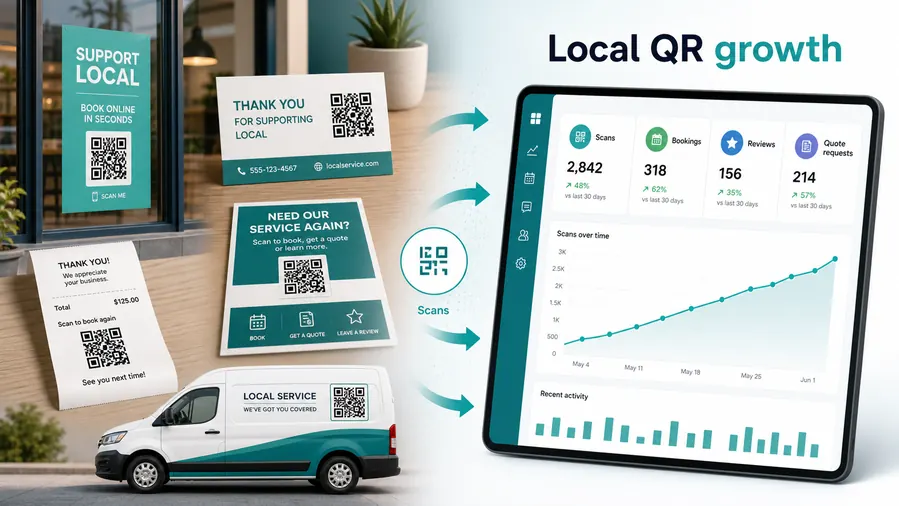
People refer when the ask feels earned
The QR should follow a positive moment and make sharing feel helpful, not like a generic lead-capture trick.
Businesses need referral paths that are easy to explain
A good destination names the audience, reward, next step, privacy expectation, and support route so staff do not have to explain every detail.
Match referral QR placement to the trust moment
Referral reporting
Use referral QR scan data to compare sources without pretending every scan became a referral
AnalyticsReferral tracking helps compare where interest starts: receipts, thank-you cards, events, partners, staff, packaging, invoices, or loyalty pages. It should not be treated as confirmed referred revenue by itself.
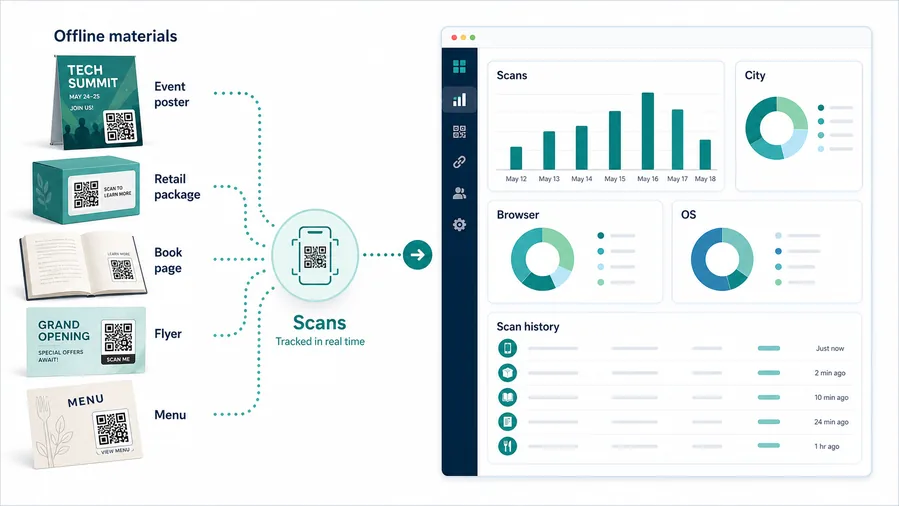
All referral interest collapses into one bucket
A single QR can show total scan interest, but it cannot explain whether the referral prompt came from a receipt, event, partner card, package insert, or staff conversation.
That makes it harder to improve the program.
Each referral source becomes easier to compare
Use separate dynamic codes when source, team, location, partner, or campaign comparison matters.
The scan is a signal of interest; confirmation still belongs in the referral, CRM, or payment system.
Scan volume
Compare referral scans by source, campaign, location, partner, staff card, or follow-up material.
Timing
See whether referral interest appears after purchases, events, delivery, onboarding, or support completion.
Device context
Check that referral forms and invite pages work smoothly on mobile.
Broad location
Review regional or branch-level patterns without treating scan data as exact identity.
Thank-you cards
Compare post-purchase referral prompts after service, delivery, booking, or project completion.
Partner campaigns
Give partners, vendors, affiliates, or local collaborators separate referral paths.
Staff and locations
Measure interest by team, branch, booth, event, or local campaign.
Offer testing
Compare reward language, friend offers, member benefits, and seasonal referral campaigns.
Name referral QR codes by source before launch
Reports are useful only when each code name matches the real material, partner, staff group, or campaign that produced it.
Referral trust
Ask for referrals without hiding feedback, support, or reward terms
TrustReferral QR codes work best when the customer relationship is already positive and the reward, privacy expectation, and support path are clear.
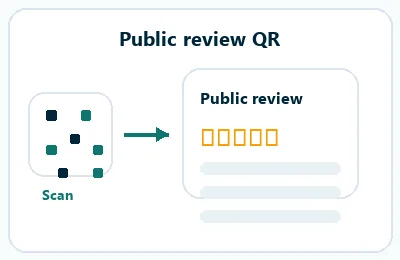
Invite referrals after the value has been delivered
Use referral QR codes after purchase, service completion, event attendance, onboarding, or support resolution when the customer has a real reason to recommend the business.
Receipts, thank-you cards, delivery notes, event follow-up, invoices, loyalty pages, and partner cards. Do not pressure customers to share contacts before they understand the benefit and privacy terms.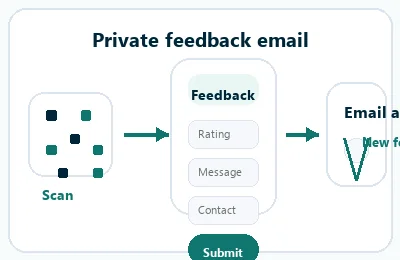
Keep problem resolution visible before promotion
If the customer has an order issue, billing concern, service complaint, delivery problem, or product question, the QR destination should not push referral before help is easy to find.
Receipts, package inserts, service cards, customer portals, and follow-up notes. Referral requests feel wrong when support is hidden.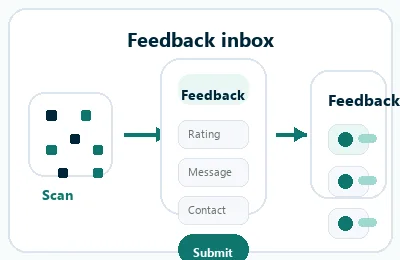
Explain the reward and the referred person’s experience
Show what the referrer earns, what the friend receives, when rewards apply, and whether approval, purchase, signup, or booking is required.
Loyalty campaigns, member offers, partner programs, local promotions, and service follow-up. Avoid vague reward language that creates disputes later.A referral QR should feel like a useful invitation
The scan should make sharing easier while protecting trust with both the referrer and the new customer.
Invite and reward flow
Place referral QR codes where the reward and next step are clear
Useful placements include receipts, package inserts, loyalty cards, event badges, counter signs, postcards, thank-you cards, flyers, business cards, app promo cards, and community handouts. CTAs should say invite a friend, get reward, share this offer, join program, download app, open referral link, or claim bonus. The printed text should explain the benefit before the scan.
Dynamic QR codes are practical because referral campaigns, reward rules, app links, and landing pages change. You can update the destination without reprinting cards or inserts. Scan analytics can compare receipts, packages, events, and mailers, helping you see which offline prompts create attention even before your referral platform reports completed conversions.
Keep the referral destination simple. People should quickly understand who can join, what the reward is, and what happens after sharing. QR Code Lab manages the QR destination and scan counts, while your referral system handles eligibility, fraud checks, rewards, and account records. If the reward rules are confusing, even a well-placed QR code will not fix the hesitation.
Referral privacy
Make referral QR destinations clear before collecting names, emails, phone numbers, or reward details
TrustReferral programs often involve personal information and incentives. The destination should explain who runs the program, what data is collected, what the reward is, and where support lives.

Unclear data collection
Referral forms can ask for friend names, emails, phone numbers, or account details. The page should explain why and how the information will be used.
Watch for similar-looking domains, long URLs, login or verify keywords, and pages asking for credentials after an unexpected scan.
Reward disputes
Vague terms around eligibility, timing, purchase requirements, and payout can damage trust after the referral is submitted.
A trustworthy QR should not make the final destination mysterious, especially on posters, labels, menus, parking signs, or event materials.
Fake referral pages
A public referral QR should clearly show the business identity and trusted domain before people share contacts.
Before paying, check the domain, HTTPS, amount, recipient, and whether the destination matches the place or brand that printed the QR.Review the referral destination before launch
Check brand identity, domain, reward terms, privacy language, form fields, and support path before sending customers to a referral page.
A scan is not proof of referral completion; confirmation belongs in the referral or CRM system.Program identity
Show the business, campaign, partner, or member program clearly.
Reward terms
Explain what qualifies, when rewards apply, and what the referred person receives.
Data fields
Ask only for information needed to complete the referral path.
Support path
Make questions, missing rewards, and privacy requests easy to resolve.
Publish referral QR codes that protect trust
The printed prompt and destination should make the referral value, privacy expectation, and support route obvious.