QR Code for Tour Operators - Trips, Bookings & Maps
Create QR codes for tour operators linking tour pages, booking forms, waivers, maps, schedules, reviews, payment pages, and guide info. Use them on brochures, tickets, vans, and welcome signs.
Free QR code generator
Create a QR code online
Generate QR codes for websites, email, phone numbers, vCards, Wi-Fi, plain text, forms, PDF files, and campaign links. Customize colors, add a logo or frame, then download a print-ready PNG or SVG.
Choose QR code type
Website QR code, Email QR code, Phone QR code, vCard QR code, Wi-Fi QR code, Text QR code, SMS, WhatsApp, event, and download links.
Add your content
Enter your website URL, contact details, message, phone number, location, or file destination before generating the QR code.
Customize and download
Adjust QR colors, error correction, logo, frame, size, and margin. Generate QR Code, Download PNG, Download SVG, or Save and track scans.
Trip booking path
Help travelers open trips, schedules, maps, waivers, and booking pages
A QR code for tour operators is useful when travelers need a quick path from a brochure, hotel desk card, bus sign, ticket, itinerary sheet, guide badge, poster, or local flyer to the right trip action. It can open tour pages, booking forms, waivers, maps, schedules, payment pages, reviews, guide notes, safety information, and contact details.
Tour guests often scan in motion, while planning, checking in, or already standing near the meeting point. A brochure can open available trips. A ticket can open the day schedule. A bus sign can open the map or guide contact. A waiver QR can reduce front-desk friction before departure. A review QR can ask for feedback right after the experience. QR Code Lab helps create print-ready dynamic codes and scan analytics for those travel touchpoints.
QR Code Lab creates URL QR codes and tracks scans. It does not process bookings, collect waivers, handle payments, manage guides, provide travel advice, or operate tour software. Your booking system, form tool, map page, payment provider, review platform, or website handles the actual traveler workflow.
Tour guest moments
Tour guest moments delivery, taxi, tour, and mobility teams with booking, tips, reviews, trip details, inventory, and leads
Trip flowUse QR codes to move delivery, taxi, tour, and mobility teams from vehicles, receipts, signs, tickets, and printed handouts to booking, tips, reviews, trip details, inventory, and leads without asking riders, customers, or leads to type a long URL.

Move travel interest into booking or inquiry
Use QR codes on brochures, hotel cards, visitor-center flyers, and partner displays to open tour pages, availability, packages, pickup details, and inquiry forms.
The destination should show the tour, location, and booking promise clearly.
Guide guests before and during the trip
QR codes can open itineraries, meeting points, maps, waivers, packing lists, safety notes, translations, audio guides, and emergency contacts.
Useful tour QR codes reduce confusion on the day of travel.
Handle payments, reviews, and follow-up cleanly
Route travelers to deposits, balances, tips, receipts, private feedback, public reviews, photo galleries, referrals, and next-trip offers.
Payment and review paths need trust and context.A tour QR code should fit the traveler’s stage
Someone scanning a brochure is not in the same moment as a guest at the meeting point or a traveler asking for photos after the tour. Match each code to the job.
Use specific CTAs: book tour, view itinerary, sign waiver, open map, pay balance, tip guide, review trip, or get photos.Booking confidence
Open availability, inclusions, pickup, policies, pricing, and inquiry forms from marketing print.
Trip-day clarity
Use vouchers and signs for meeting points, maps, waivers, schedules, safety, and guide contact.
Payment and tips
Keep deposits, balances, optional tips, receipts, and provider identity clear.
Post-tour value
Invite reviews, photo galleries, referrals, next-trip offers, and private feedback after the experience.
Events, conferences, and weddings
Give travelers the right tour action at each trip moment
Attendee flowTour operator QR codes work best when the scan opens the action travelers need now: booking, itinerary, meeting point, waiver, map, audio guide, payment, tip, photos, or review.

Open booking details before the trip
Use brochures, hotel cards, and visitor-center flyers to show availability, itinerary, pickup, inclusions, pricing, and inquiry forms.

Guide arrivals to the right meeting point
Place QR codes on vouchers, tickets, signs, and confirmation print to open maps, parking, transit notes, and guide contact.

Collect waivers and prep information
Open waivers, safety notes, equipment lists, accessibility details, dietary forms, and passenger information before departure.

Support guests during the experience
Use vehicle cards, badges, and handouts for audio guides, translations, route maps, emergency contact, and schedule changes.

Handle balances, tips, and receipts
Route guests to trusted payment pages, optional guide tips, receipt downloads, and booking support with tour context.
Travelers should not have to search while moving
The QR code should open the exact tour page, map, waiver, payment, or support action promised on the printed material.
Separate codes when routes, partners, or tour dates need reporting
Use different dynamic QR codes for brochures, hotels, vehicles, guide cards, vouchers, and destinations when performance comparison matters.
Match QR placement to the tour flow
Trip placement
Place tour QR codes where travelers are deciding, arriving, riding, paying, or reviewing
PlacementTour QR placement should follow the guest journey from discovery to booking, arrival, trip-day support, payment, photos, reviews, and repeat travel.
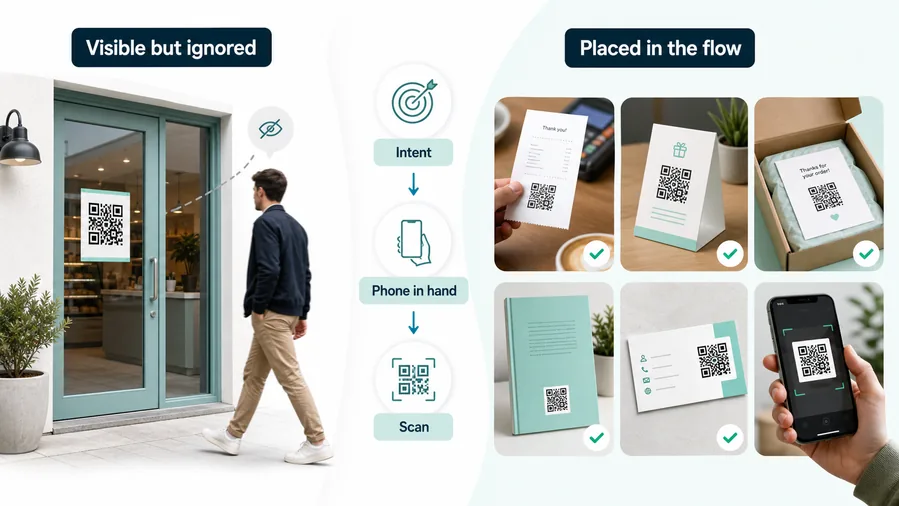
A generic tour QR creates confusion at the wrong moment
Travelers need different destinations before booking, at the meeting point, inside the vehicle, after payment, and after the experience.
A broad homepage QR can slow people down when they need a map, waiver, schedule, or support.
Put the QR beside the travel action
Use brochures for booking, vouchers for meeting points, signs for arrival, vehicle cards for guide resources, and follow-up cards for photos and reviews.
The destination should show the tour name, date, route, or operator context when relevant.
What stage is the traveler in?
Browsing, booking, arriving, checking in, riding, paying, tipping, reviewing, or looking for photos.
What should open first?
Tour page, availability, map, waiver, itinerary, safety notes, payment, tip, receipt, photo gallery, or support.
Will details change?
Use dynamic QR for routes, schedules, meeting points, weather updates, waivers, booking pages, prices, and photo galleries.
Can the code scan under travel conditions?
Check size, contrast, lighting, movement, language, and mobile connection at hotels, vehicles, trailheads, docks, and meeting points.
Brochure or rack card
Open tour page, availability, inclusions, pickup details, and booking inquiry.
Hotel concierge card
Route guests to local tours, transfer options, schedules, and partner booking pages.
Voucher or ticket
Open meeting point, map, waiver, passenger info, and day-of-trip instructions.
Meeting point sign
Show check-in, schedule, guide contact, safety notes, and emergency updates.
Vehicle or boat card
Open audio guide, translation, route map, tipping, and feedback.
Guide badge
Share guide profile, emergency contact, group photos, reviews, and tips.
Receipt
Open payment confirmation, review, photo gallery, support, and next-trip offer.
Post-tour card
Send travelers to photos, referrals, private feedback, review pages, and related experiences.
Tour QR placement should reduce travel uncertainty
If the scan does not help travelers book, arrive, follow the route, pay, or remember the experience, sharpen the placement.
After-print control
Keep tour QR destinations editable when routes, schedules, and booking links change
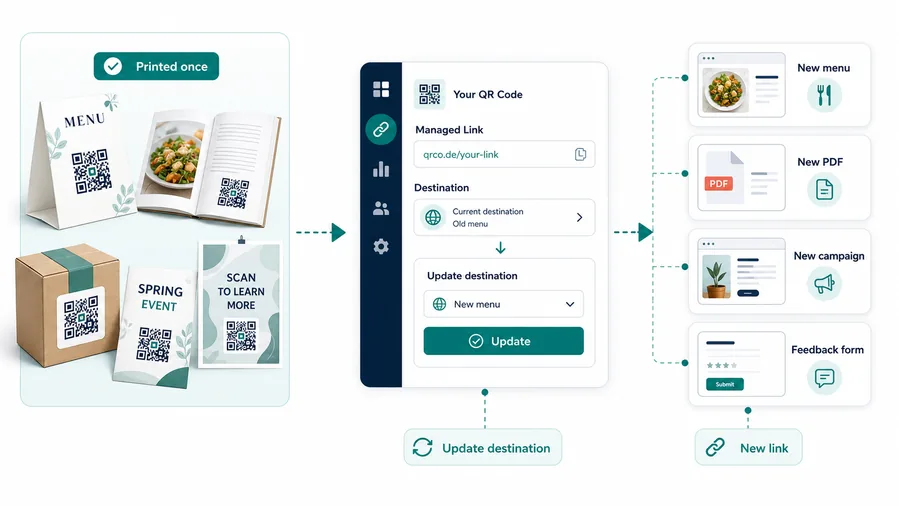
DynamicTour materials often stay in hotels, vehicles, visitor centers, and partner racks while availability, routes, prices, and meeting points change.
A fixed QR can send travelers to old trip details
A static QR is risky when meeting points, schedules, prices, booking tools, waivers, or photo galleries move.
Old brochures and vouchers can keep circulating long after a route or policy changes.
An editable QR keeps printed tour material useful
Dynamic QR lets the operator update booking pages, itineraries, maps, safety notes, waivers, payment pages, and galleries while the printed code stays the same.
That matters for partner displays, rack cards, tickets, and vehicle cards that are expensive to replace quickly.
Schedules and routes
Update departure times, meeting points, maps, weather notes, and route changes.
Booking and pricing
Change availability, packages, seasonal prices, partner pages, and inquiry forms.
Waivers and safety
Keep passenger forms, packing lists, accessibility notes, and emergency instructions current.
Photos and reviews
Replace gallery links, review pages, referrals, and next-trip offers after each tour season.
Use dynamic QR for tour print that outlives the itinerary
If a brochure, voucher, or sign may remain in circulation after details change, editable destination control protects travelers and staff.
Scan reporting
Use tour scan data to compare brochures, partners, routes, and trip moments
AnalyticsTracking helps tour operators see which printed placements create attention, while bookings, payments, and reviews remain in their own systems.
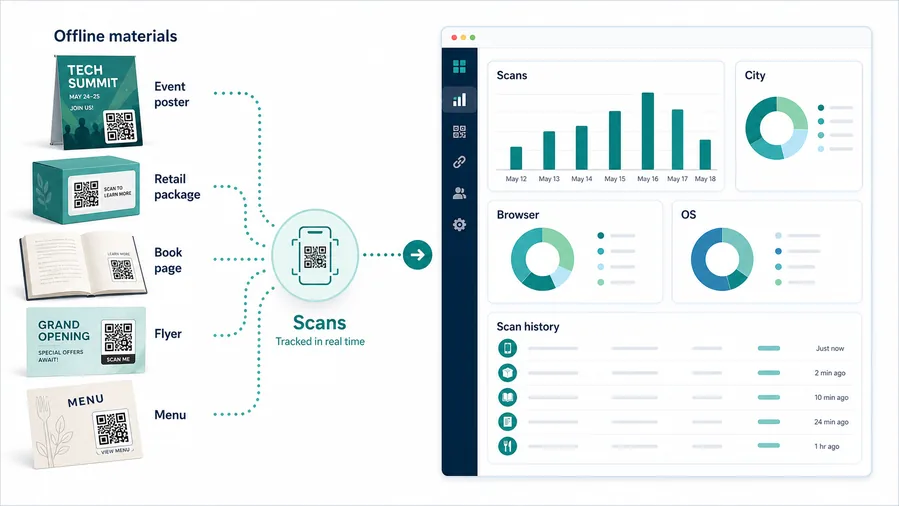
One shared tour code hides the source of interest
A single QR can show total scans, but it cannot tell whether attention came from a hotel card, brochure rack, airport flyer, vehicle card, voucher, or guide badge.
It also cannot separate booking, waiver, map, payment, tip, review, and photo intent.
Separate tracked codes make partner and route signals clearer
Use different dynamic codes for partners, routes, seasons, vehicles, guides, vouchers, and follow-up cards when comparison matters.
Scan analytics do not replace booking reports, but they help explain where travelers engaged.
Scan volume
Review scans by brochure, hotel partner, route, vehicle, guide card, voucher, or follow-up material.
Timing
Check seasonal windows, departure days, campaign periods, and post-tour review timing.
Broad location
Use approximate location signals to compare markets and partner placements.
Device context
Check whether booking, map, waiver, and gallery pages work well on traveler phones.
Partner performance
Compare hotel desks, visitor centers, agents, local businesses, and travel racks.
Route demand
Separate city tours, boat tours, food tours, hikes, transfers, and private packages.
Trip-day support
See whether vouchers, meeting point signs, and vehicle cards get used for maps or waivers.
Post-tour engagement
Track photo gallery, review, referral, and next-trip scans separately.
Name tour QR codes by placement, partner, route, and action
Clear names make it possible to compare real tour marketing and guest-support materials later.
Guest journey flow
Place tour QR codes where travelers need the next answer quickly
Useful placements include hotel rack cards, brochures, ticket sleeves, itinerary sheets, check-in signs, buses, guide badges, event posters, local partner flyers, and post-tour review cards. CTAs should say book tour, see schedule, sign waiver, open map, meet guide, pay balance, save contact, or leave review. The scan should answer the question a guest has at that point in the trip.
Dynamic QR codes are practical because tour dates, meeting points, waiver links, payment pages, and seasonal offers change. You can update the destination without reprinting every brochure or ticket insert. Scan analytics can compare hotel cards, check-in signs, buses, flyers, and review cards, which helps a tour operator understand which offline placements bring guests online.
Keep the mobile page simple and reliable. Travelers may scan with weak signal, one hand free, or little time before departure. Put the meeting point, booking action, or schedule first. If a link asks for payment or personal details, make the destination branded and easy to recognize. That small trust cue matters when guests are away from home.
Payment boundary
Use tour payment QR codes for deposits, balances, tips, receipts, and add-ons with clear trip context
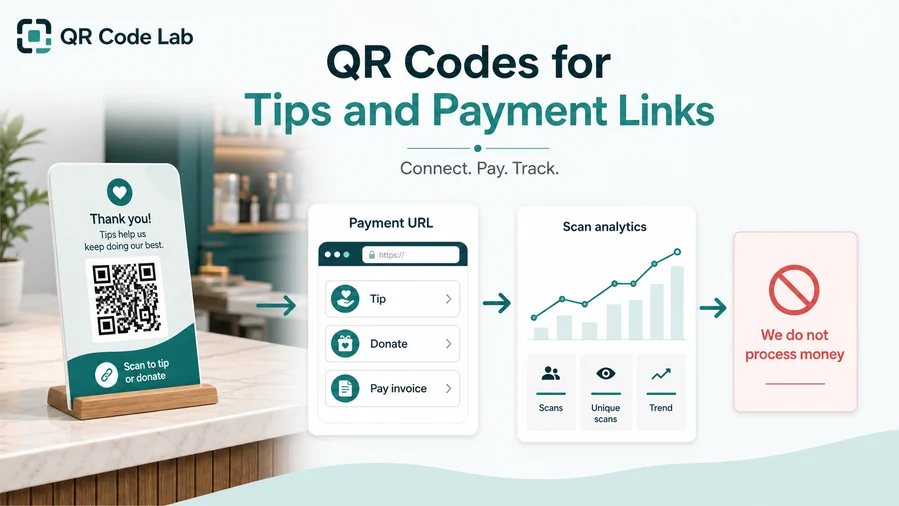
PaymentsA tour payment QR should show whether travelers are paying a deposit, final balance, add-on, private tour fee, guide tip, receipt, or invoice.
Deposits and balances
Open trusted payment pages from brochures, vouchers, and booking documents with tour, date, party, and operator context.
Tips and add-ons
Let guests tip guides, add extras, upgrade packages, or pay optional fees with clear labels.
Receipts and invoices
Route travelers to receipt downloads, business invoices, booking references, and payment support.
The QR opens a trusted payment page; it does not process money inside QR Code Lab
Keep checkout, receipts, refunds, disputes, deposits, balances, tips, and confirmation inside the booking, education, commerce, invoice, or payment provider.
A scan shows that someone opened the payment path, not that payment was completed.Tour payment QR codes need trip and operator clarity
Travelers should know which tour, date, and payment purpose the scan belongs to before paying.
Scan trust
Make tour QR codes trustworthy before travelers book, sign, pay, or follow directions
TrustTour QR codes may open booking, waivers, maps, payments, tips, galleries, reviews, and support. The destination should clearly belong to the operator and match the printed material.

Anonymous booking or waiver pages
Travelers may hesitate to share passenger details, IDs, phone numbers, or waiver confirmations if the page does not show the operator.
Watch for similar-looking domains, long URLs, login or verify keywords, and pages asking for credentials after an unexpected scan.
Outdated trip details
Old meeting points, schedules, prices, safety notes, and weather instructions create confusion on travel day.
A trustworthy QR should not make the final destination mysterious, especially on posters, labels, menus, parking signs, or event materials.
Unclear payment or tip destinations
Deposits, balances, guide tips, and add-ons need trip context, provider identity, receipt expectations, and support.
Before paying, check the domain, HTTPS, amount, recipient, and whether the destination matches the place or brand that printed the QR.Inspect the destination before people rely on it
Scan the printed proof and confirm the page identity, HTTPS domain, action, form, file, booking, payment, review, or support path before distribution.
A QR code removes typing, but the destination still has to prove that it belongs to the publisher, tutor, or tour operator.Decoded destination
Check whether the QR opens the current tour page, booking, waiver, map, payment, gallery, or support page.
Operator identity
Confirm the page shows the tour company, trip name, route, date, or partner context before forms or payment.
Trip-day accuracy
Review maps, meeting points, safety notes, packing lists, schedules, and emergency contact details.
Payment context
Verify deposit, balance, tip, receipt, and provider information before printing.
Publish QR codes people can understand
The printed CTA, destination title, brand identity, and first button should all describe the same action.