QR Code for Influencers - Bio Pages, Promo Codes & Media Kits
Create QR codes for influencers linking bio pages, social profiles, campaign pages, promo codes, shops, media kits, events, and fan pages. Ready for print and digital use.
Free QR code generator
Create a QR code online
Generate QR codes for websites, email, phone numbers, vCards, Wi-Fi, plain text, forms, PDF files, and campaign links. Customize colors, add a logo or frame, then download a print-ready PNG or SVG.
Choose QR code type
Website QR code, Email QR code, Phone QR code, vCard QR code, Wi-Fi QR code, Text QR code, SMS, WhatsApp, event, and download links.
Add your content
Enter your website URL, contact details, message, phone number, location, or file destination before generating the QR code.
Customize and download
Adjust QR colors, error correction, logo, frame, size, and margin. Generate QR Code, Download PNG, Download SVG, or Save and track scans.
Related QR code generators
Campaign handoff
Use influencer QR codes when a scan should lead to the current campaign, offer, or profile hub
QR codes for influencers can point to bio pages, social profiles, campaign pages, promo codes, shops, media kits, events, fan pages, affiliate pages, sponsor links, or collaboration pages. They are useful for influencers, creator brands, brand ambassadors, affiliate creators, event hosts, lifestyle creators, fashion creators, fitness creators, and niche communities that need measurable links from physical placements.
Influencer QR codes are strongest when tied to a specific campaign moment: merch packaging, event signage, pop-up displays, brand cards, table tents, media kits, creator booths, product inserts, printed collab materials, or retail displays. A general social profile is fine for discovery, but campaign materials usually need a sharper destination.
QR Code Lab creates URL QR codes only. It does not host creator pages, manage social accounts, publish content, process payments, collect leads, or operate creator platforms. Any promo code, affiliate tracking, checkout, media kit, or fan community is handled by the destination you choose after the scan. That destination should match the current offer clearly.
Influencer campaign moments
Use influencer QR codes to turn offline attention into the right campaign action
Influencer QRAn influencer QR should connect merch, events, media kits, packaging, sponsor materials, and print drops to the exact action that matters: follow, shop, watch, join, claim, book, or contact.
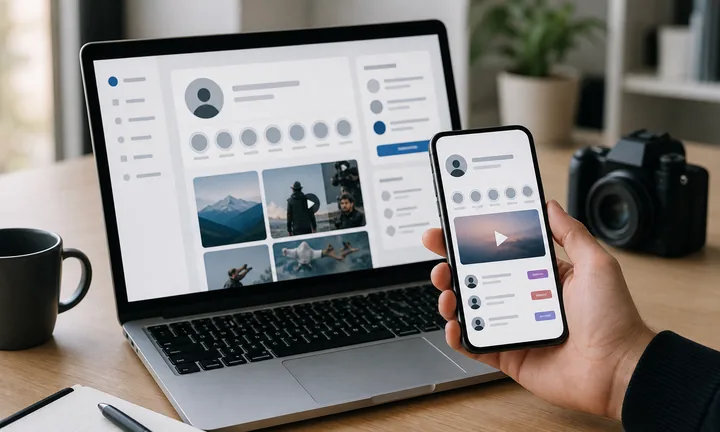
Make campaign materials open the promised creator path
Use QR codes on merch, booth signs, sponsor cards, event badges, packaging inserts, posters, and creator kits when the scan should open a specific profile, campaign page, product drop, or collaboration path.
The CTA should name the result: shop the drop, follow the creator, join the community, or view the kit.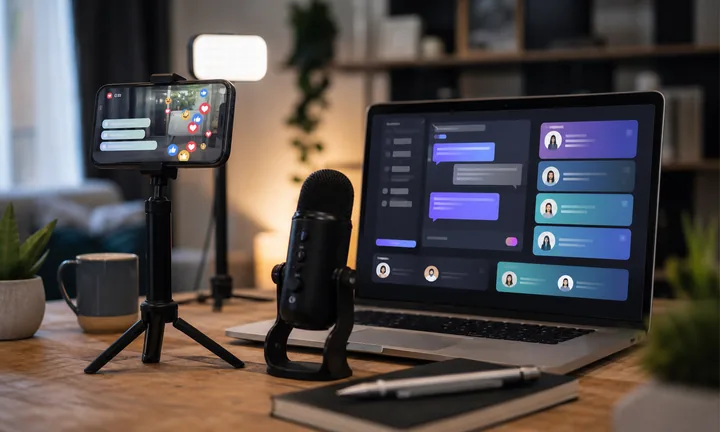
Match the destination to audience and sponsor intent
A fan may need a social profile, a buyer may need the featured product, a sponsor may need reporting context, and a brand partner may need a media kit or booking form.
Influencer QR works when the path is specific enough to measure and believe.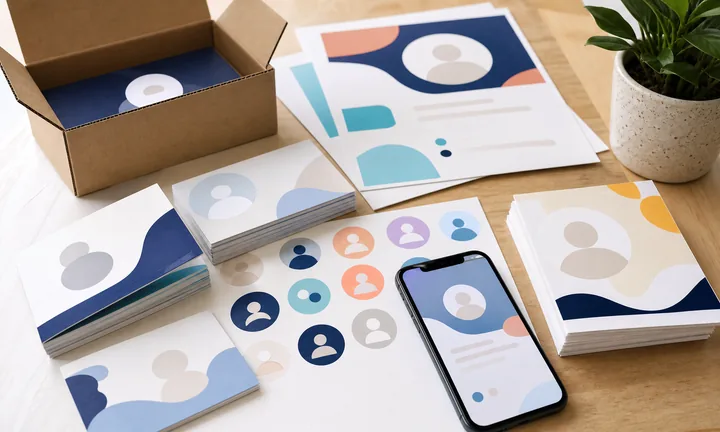
Keep drops, invites, and sponsored links editable
Dynamic QR helps when affiliate links, product drops, discount codes, sponsor pages, event pages, Discord invites, media kits, and social profiles change after materials are distributed.
Creator campaigns change faster than physical print.An influencer QR should make the campaign action obvious
The scanner may be a fan, buyer, sponsor, event attendee, or brand partner. The QR destination should continue that context with a clear action and a current campaign path.
Use separate QR codes for sponsors, drops, events, merch, and media kits when reporting matters.Audience action
Open profile, shop, campaign, community, giveaway, video, booking, or collaboration form.
Campaign context
Match the QR to the sponsor, product, drop, event, or creator story printed beside it.
Destination control
Use dynamic QR when links, profiles, offers, invites, tour dates, or campaign pages may change.
Readable reporting
Name QR codes by placement, campaign, venue, material, sponsor, product, or release before launch.
After-print control
Use dynamic QR when influencer campaigns, offers, and profiles change after print
DynamicInfluencer materials often point to fast-moving destinations: sponsor pages, affiliate links, discount codes, drops, videos, link hubs, media kits, event pages, and community invites.
A fixed campaign link can expire before the material does
Static QR is fine for a final destination, but influencer campaigns often rotate products, codes, offers, and promoted posts quickly.
When the offer ends or the link moves, printed merch, cards, and signs can keep sending people to stale pages.
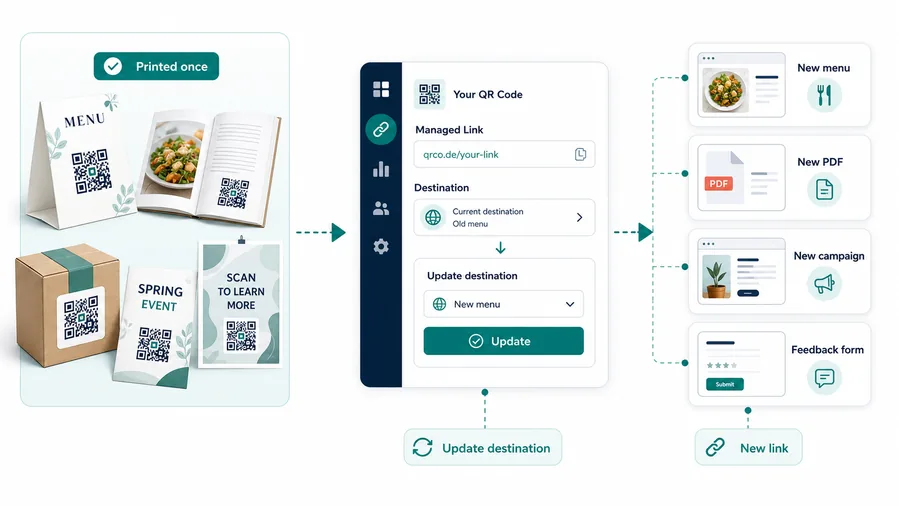
Editable routing keeps creator materials current
Dynamic QR lets the same physical material route to the current sponsor page, shop, profile, video, giveaway, or media kit.
It also helps compare scan activity by campaign, placement, sponsor, event, product, or audience segment.
Sponsored campaigns
Update affiliate links, coupon pages, campaign landing pages, product drops, and sponsor offers.
Community growth
Rotate Discord invites, newsletters, memberships, group links, and fan community pages.
Event activations
Compare scans from booths, badges, posters, merch, cards, and live campaign materials.
Media kit updates
Keep stats, rates, case studies, testimonials, and contact paths current for brand partners.
Use dynamic when creator print supports a living campaign
If links, offers, or profiles may change, keep the printed QR editable and name each code by placement.
Influencer scan UX
Make influencer scans open the exact profile, offer, or campaign people expected
Scan UXInfluencer QR scans should not become generic link dumps. The first screen should reflect the creator, sponsor, product, event, or offer that made people scan.
Use a direct campaign link when one action matters
Shop, coupon, video, giveawayA direct destination works when the printed CTA clearly points to one product, sponsor, drop, video, or signup.
The destination should confirm the identity and offer before asking for a tap.
Use a hub when audiences need different actions
Profile, shop, community, media kitA creator hub can combine social profiles, shop, community, booking, media kit, campaign links, and contact paths.
This is stronger for merch, events, posters, business cards, and broad discovery materials.
Use dynamic routing for changing creator campaigns
Drop, sponsor, invite, link-in-bioPrinted materials can outlive the first campaign destination.
Dynamic QR keeps the same physical code connected to the current page, offer, event, or fallback path.
Does the first screen match the physical material?
Confirm the page references the creator, sponsor, product, event, or campaign that appears near the QR.
Is the main action obvious on mobile?
Put follow, shop, claim, join, watch, book, or contact where scanners can tap quickly.
Will the destination change?
Use dynamic QR when social profiles, campaign pages, invites, offers, releases, ticket links, or merch pages may change.
Influencer scans should convert attention into a measurable campaign action
Choose the destination that fits the physical moment and keeps the next action clear.
Influencer placement
Place influencer QR codes where the campaign value is already visible
PlacementInfluencer QR placement works when the code sits beside the creator identity, product, sponsor message, event, merch, or offer it continues.
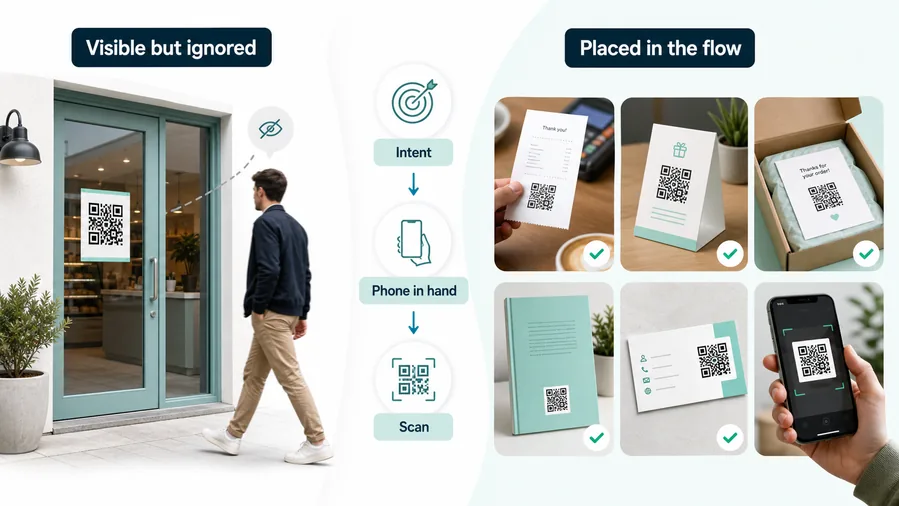
A QR without campaign context feels like a random link
If the scan does not explain whether it opens a profile, shop, code, giveaway, or media kit, people may ignore it.
The CTA should make the destination and benefit obvious before the phone comes out.
Put the QR where the creator promise is strongest
Use the QR near the product, drop, event, sponsor message, creator story, or collaboration proof it continues.
The physical context should make the scan feel useful, not decorative.
What created the scan intent?
Creator merch, sponsor offer, event, product sample, packaging, media kit, giveaway, or collaboration pitch.
What should happen next?
Follow, shop, claim, join, watch, book, download kit, or contact for partnership.
Is one link enough?
Use direct links for one clear action and a hub when several actions are equally useful.
Will the campaign move?
Use dynamic QR when the promoted link, invite, release, offer, or event page may change.
Merch tag
Open shop, discount, profile, community, or campaign page from a physical product.
Sponsor card
Route to the sponsor offer, product page, affiliate path, or campaign landing page.
Event sign
Invite attendees to follow, join, claim, watch, or scan a live campaign offer.
Media kit
Give brands a path to stats, rates, case studies, testimonials, and contact.
Packaging insert
Connect unboxing to tutorial, social proof, product drop, community, or review flow.
Poster or flyer
Open the promoted profile, video, campaign, giveaway, event, or product path.
Business card
Offer creator profile, booking, media kit, social hub, and partnership inquiry.
Collaboration deck
Open proposal context, case studies, campaign examples, analytics, and contact form.
Influencer QR placement should make the campaign measurable and believable
Use the QR where the physical material already creates enough reason to act.
Campaign clarity
Do not make the scanner guess which link matters today
A general profile QR is useful when the goal is simple discovery. A campaign QR should be more focused: promo code page, shop item, launch post, media kit, event RSVP, fan page, sponsor page, or link-in-bio page filtered around the current offer. The printed CTA should tell people exactly what they get, such as claim the code, shop the drop, follow the campaign, or view the media kit.
This matters because influencer links change quickly. A sponsor offer may expire, a product may sell out, a post may stop being the best proof, or the next collaboration may need a different destination. Dynamic QR codes let you keep the printed asset and update the final link behind it.
Tracking scans helps compare which physical placements and collaborations send people into the campaign path. QR Code Lab can show scan activity from packaging, cards, booths, posters, and merch. The linked shop, affiliate platform, social account, or sponsor page handles purchases, codes, leads, and campaign records after visitors arrive.