QR Code for Artists - Portfolio, Gallery & Shop Links
Create QR codes for artists linking portfolios, online galleries, Behance pages, Instagram profiles, shop pages, exhibition pages, and contact forms. Ready for print and digital use.
Free QR code generator
Create a QR code online
Generate QR codes for websites, email, phone numbers, vCards, Wi-Fi, plain text, forms, PDF files, and campaign links. Customize colors, add a logo or frame, then download a print-ready PNG or SVG.
Choose QR code type
Website QR code, Email QR code, Phone QR code, vCard QR code, Wi-Fi QR code, Text QR code, SMS, WhatsApp, event, and download links.
Add your content
Enter your website URL, contact details, message, phone number, location, or file destination before generating the QR code.
Customize and download
Adjust QR colors, error correction, logo, frame, size, and margin. Generate QR Code, Download PNG, Download SVG, or Save and track scans.
Related QR code generators
Artist portfolio paths
Use QR codes to connect physical artwork with the portfolio, story, shop, or contact path
QR codes for artists are useful when someone sees a physical piece and needs a simple way to continue: portfolio, online gallery, Behance page, Instagram profile, shop page, exhibition page, commission form, contact page, or artist statement. They help visual artists, illustrators, painters, designers, gallery exhibitors, craft sellers, muralists, photographers, and creative studios connect offline attention with a digital next step.
The strongest artist QR codes are placed near the moment of interest: beside a gallery label, on a print card, at a booth, on packaging, in a portfolio book, on a studio flyer, near a mural plaque, or inside an exhibition catalog. The scanner should know whether they are opening the full portfolio, the story behind the work, a shop page, commission details, or a contact option.
QR Code Lab creates URL QR codes only. It does not host portfolios, manage social accounts, publish work, process payments, collect leads, or operate creator platforms. The destination should already be ready for visitors on mobile, with clear images, contact options, and a next step that fits the artwork context.
Artist scan moments
Use QR codes to move from artwork in the room to the next artist action
Artist QRAn artist QR should help someone who just saw the work continue naturally: view the portfolio, read the story, buy a print, join the mailing list, follow the studio, or contact the artist.
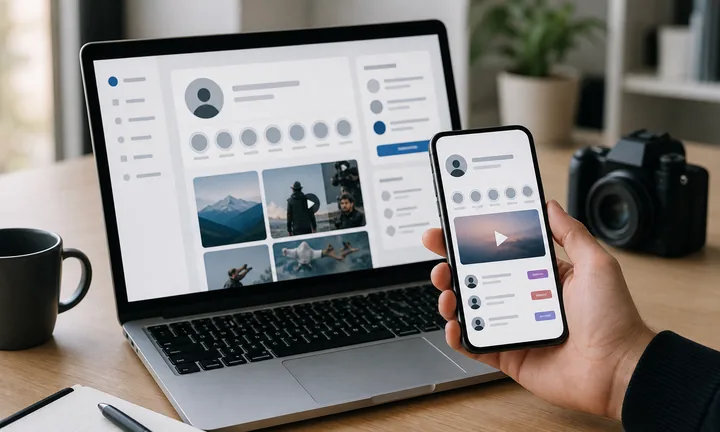
Turn gallery attention into a deeper portfolio visit
Use QR codes on wall labels, exhibition cards, studio postcards, prints, zines, business cards, booth signs, and artist statements when the viewer wants context beyond the physical piece.
The CTA should name the value: view portfolio, read the process, buy print, or contact the studio.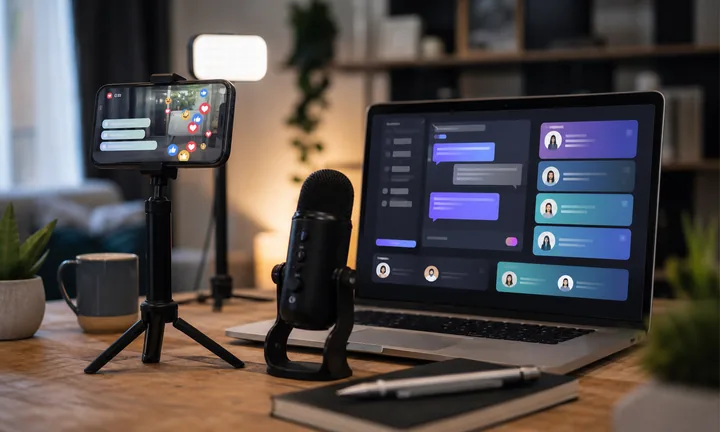
Choose the destination by the viewer’s moment
A wall label may need artwork notes or price inquiry, a booth sign may need shop links, a postcard may need portfolio, and a business card may need contact and social profiles.
Artist QR works best when the scan continues the exact setting.
Keep exhibitions and campaigns editable
Dynamic QR helps when show pages, artwork availability, prices, print drops, portfolio links, mailing list tools, or social destinations change after materials are printed.
Art print often travels longer than the first URL lasts.An artist QR should protect the viewer’s attention
The person is already engaged with the work. The scan should not dump them into a generic homepage; it should give the next meaningful step for that artwork, show, booth, print, or studio relationship.
Use separate QR codes for exhibitions, artworks, editions, booths, postcards, and portfolio materials when reporting matters.Artwork context
Open process notes, medium, size, edition, story, availability, or exhibition details for the piece in front of the viewer.
Portfolio path
Let curators, buyers, clients, and fans browse the broader body of work without typing a URL.
Commercial action
Offer buy print, inquire, commission, book studio visit, join mailing list, or follow social links when appropriate.
Show control
Use dynamic QR when exhibitions, shops, inventory, or campaign pages change after printed materials are distributed.
Artist placement
Place artist QR codes where the viewer already wants more context
PlacementArtist QR placement should respect the viewing moment: gallery label, portfolio sheet, booth sign, postcard, print packaging, studio wall, catalog, or event program.
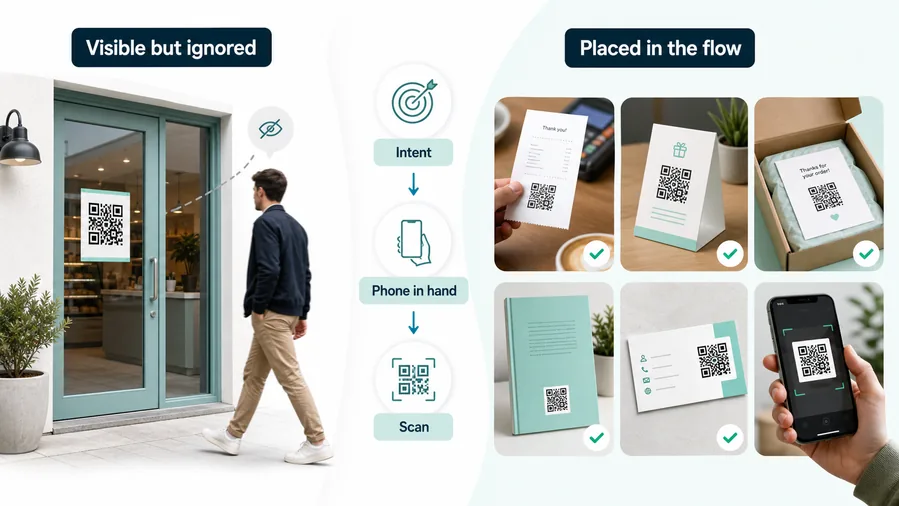
A QR can interrupt the artwork when the purpose is vague
A QR code placed near art without a clear promise can feel like clutter or promotion instead of a useful extension.
The placement should explain what the viewer gets after scanning and avoid competing with the piece.
Put the QR beside the next question the art creates
Use the QR where people naturally ask for price, story, process, portfolio, availability, edition details, social follow, or contact.
The CTA should be quiet but specific, so the scan feels like part of the artwork experience.
What is the viewer looking at?
Original artwork, print, installation, booth display, postcard, catalog page, studio sample, or commission example.
What would help next?
Artwork notes, portfolio, price inquiry, shop, mailing list, social profile, commission form, or exhibition page.
Should the QR be subtle or prominent?
Gallery labels may need restraint; booth and retail materials can use stronger CTA language.
Will the destination change after the show?
Use dynamic QR for exhibitions, editions, shop inventory, portfolio refreshes, and limited campaigns.
Gallery label
Open artwork details, process notes, artist statement, availability, price inquiry, or exhibition page.
Portfolio sheet
Move from selected works to a full portfolio, project archive, commission page, or contact path.
Art fair booth
Let visitors scan works, join the mailing list, inquire about pieces, or save the artist profile.
Postcard or flyer
Connect event promotion to show details, map, RSVP, portfolio, or social follow.
Print packaging
Open edition notes, authenticity, care instructions, certificate, or future print drops.
Studio sign
Route visitors to open studios, appointments, workshops, portfolio, or mailing list signup.
Catalog page
Let readers view video, installation shots, detail images, statement, or availability.
Business card
Offer portfolio, contact, social profiles, commission inquiry, and current exhibitions.
Artist QR placement should extend the artwork, not distract from it
Use the code where it answers the viewer’s next question with a useful destination.
Artist scan UX
Make the artist QR destination feel curated, not generic
Scan UXA viewer who scans from art, a booth, or a portfolio piece should land on a page that understands that context and offers a clear next action.
Use an artwork page when one piece created the scan
Story, medium, price, editionAn artwork-specific page can show title, medium, dimensions, process, installation photos, availability, edition details, and inquiry options.
This is strongest for gallery labels, catalogs, and print packaging tied to a specific work.
Use a portfolio hub when discovery is the goal
Portfolio, series, commissions, exhibitionsA portfolio destination helps curators, buyers, clients, and fans explore the artist’s broader body of work.
Keep navigation mobile-friendly and make contact, inquiry, mailing list, and social follow easy to find.
Use a managed path when availability changes
Print drop, edition, shop, show pageArt sales, exhibitions, editions, and campaigns change quickly after materials are printed.
Dynamic QR lets the same card, label, or sign point to the current shop, portfolio, show page, or inquiry form.
Does the page match the artwork or material?
The first screen should confirm the piece, show, portfolio, booth, or studio context that caused the scan.
Is the next action respectful and clear?
Offer view portfolio, inquire, buy print, join list, follow, book visit, or read statement without forcing a hard sell.
Will inventory or exhibitions change?
Use dynamic QR when prices, editions, availability, show pages, shop links, or portfolio order may change.
The scan should preserve the attention the artwork earned
Choose the destination that deepens interest and gives viewers a natural way to continue.
Artwork context
Choose the destination by the question the viewer is likely asking
A gallery visitor may want the artist statement. A buyer may want the shop or commission form. A curator may want the portfolio. A passerby may want Instagram. A collector may want contact details. A student or fan may want the process story. One QR code can point to a hub, but high-intent placements often work better when they lead to the exact next step.
Think about the viewing environment. A gallery label has a different job than a market booth card. A print package has a different job than a mural plaque. The CTA should be plain: view portfolio, buy print, read artist statement, request commission, follow the process, or contact the artist.
Use dynamic QR codes for exhibitions, printed catalogs, stickers, packaging, cards, and booth materials when the featured portfolio, shop, or event page may change. Scan analytics can show which artworks, booths, cards, or displays generate interest. QR Code Lab handles the QR path; your portfolio, shop, social profile, or contact form handles the real response.