Link in Bio QR Code - Bio Links, Shops & Creator Hubs
Create a link in bio QR code linking social landing pages, creator hubs, product links, booking pages, newsletters, shops, and fan pages. Ready for print and digital use.
Free QR code generator
Create a QR code online
Generate QR codes for websites, email, phone numbers, vCards, Wi-Fi, plain text, forms, PDF files, and campaign links. Customize colors, add a logo or frame, then download a print-ready PNG or SVG.
Choose QR code type
Website QR code, Email QR code, Phone QR code, vCard QR code, Wi-Fi QR code, Text QR code, SMS, WhatsApp, event, and download links.
Add your content
Enter your website URL, contact details, message, phone number, location, or file destination before generating the QR code.
Customize and download
Adjust QR colors, error correction, logo, frame, size, and margin. Generate QR Code, Download PNG, Download SVG, or Save and track scans.
Related QR code generators
Multiple social actions
Use a link-in-bio QR code when one scan needs to offer several useful choices
A link-in-bio QR code sends scanners to a social landing page, creator hub, product links page, booking page, newsletter, shop, fan page, portfolio, campaign hub, or contact page. It is useful for creators, influencers, small businesses, artists, musicians, podcasters, streamers, speakers, restaurants, and local brands that need more than one next step from a single printed code.
This pattern is strongest when the scanner might want different things: follow, book, shop, download, watch, subscribe, contact, review, join, tip, or read. Instead of forcing every scan to one social profile, the link-in-bio page gives a small menu of clear actions. It can turn a business card, poster, table card, product insert, or event sign into a simple mobile hub.
QR Code Lab creates the QR code for your URL. It does not host the bio page, manage social accounts, post content, collect leads, process payments, or operate the linked platforms. The landing page or bio tool you choose controls the actual content and actions after the scan.
Link-in-bio QR
Turn one printed QR code into a focused social landing page
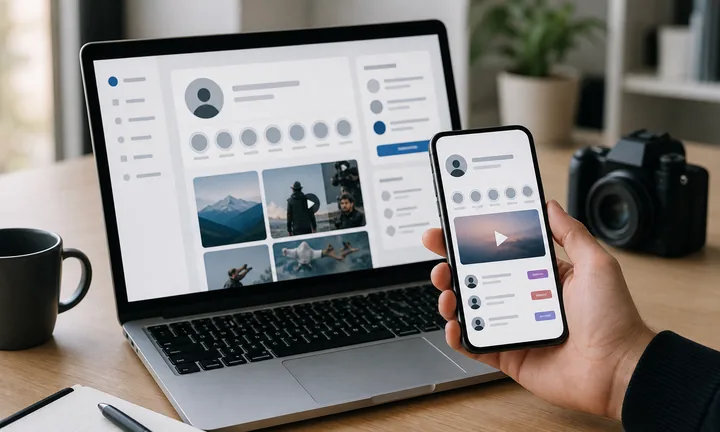
Social hubA link-in-bio QR code is useful when a card, flyer, package, poster, event badge, or profile graphic should open several current links without forcing people to search across platforms.
Give scanners the next link, not a cluttered homepage
Use the QR code to open a mobile page with the links that matter now: profile, shop, booking, latest video, newsletter, portfolio, menu, event, or contact path.
The printed CTA should say what the link hub is for.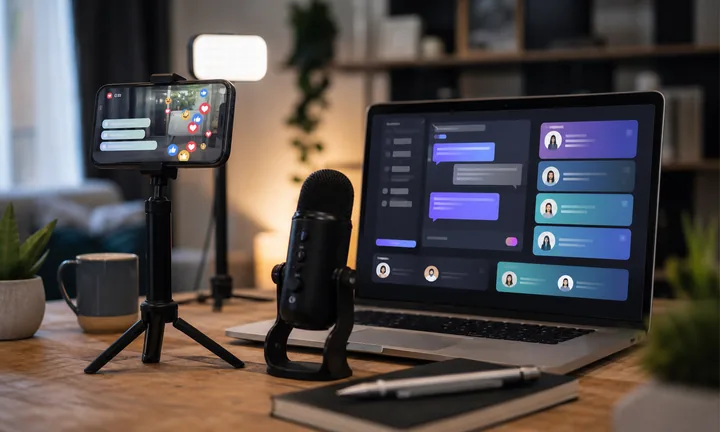
Keep social campaigns editable after printing
A link-in-bio page can change as launches, drops, events, promotions, videos, and announcements change while the printed QR code stays the same.
This is stronger than printing a single short-lived social link.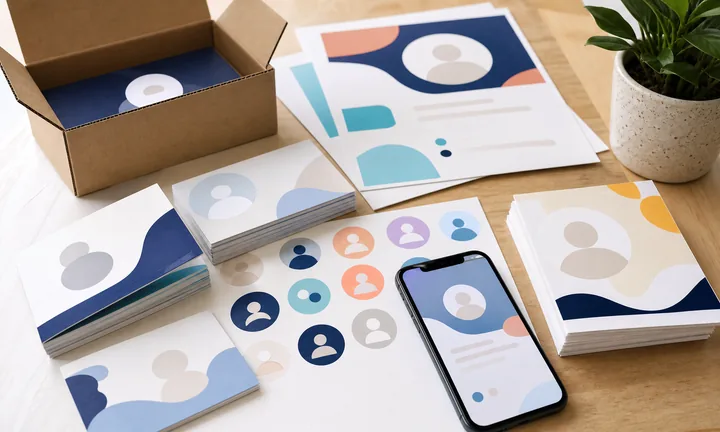
Match the link order to the printed promise
If the flyer promotes a booking, put booking first. If packaging promises setup, put setup first. The page should not make scanners hunt for the promised action.
One QR can carry several links, but one link should clearly be primary.A link-in-bio QR should organize choices without creating confusion
The scan opens a small decision page, so the order, labels, and first action matter. Use it when multiple destinations are genuinely useful, not when a single direct link would be cleaner.
QR Code Lab manages the QR destination; each social, shop, booking, or file platform controls its own account and login behavior.Creator profile
Use for current content, newsletter, videos, shop, booking, press kit, and contact links.
Campaign flyer
Lead with the promoted offer, event, download, preorder, or signup before secondary links.
Product packaging
Put setup, warranty, support, review, reorder, and social links in a practical order.
Event or venue
Group schedule, tickets, map, sponsor, menu, Wi-Fi, and feedback links behind one printed code.
Landing page UX
Make the link-in-bio scan show the promised action first
Scan UXA link-in-bio QR code creates a small mobile landing page. That page should load quickly, explain where the scanner landed, and put the printed promise above secondary links.
The first button should match the printed CTA
Book, shop, watch, download, follow, contactIf the printed piece says “Scan to book,” the booking link belongs first. If it says “Watch the demo,” the video or demo page belongs first.
A link hub is helpful only when it reduces choice friction rather than making the scanner decode a long list.
Extra links should support the same intent
Profile, shop, newsletter, files, social channelsKeep secondary links useful and current: profile, shop, newsletter, menu, portfolio, support, files, or social channels.
Remove stale campaign links so the page feels maintained after the printed QR has been distributed.
The page should identify the creator or brand immediately
Name, logo, handle, short descriptionScanners should see the creator, brand, venue, or product name before tapping a link.
That context matters because link hubs often send people onward to several third-party platforms.
Does the first link match the printed promise?
The primary button should satisfy the CTA without scrolling or guessing.
Are stale links removed?
Old launches, expired offers, closed events, and outdated files should not remain in the hub.
Is the identity obvious?
Show name, handle, logo, or short context so scanners trust the link choices.
Use a link hub when several current choices are useful
If the page has one obvious destination, use a direct QR. If the scanner needs several organized choices, make the first one unmistakable.
Link hub placement
Place link-in-bio QR codes where one scan should offer several useful paths
PlacementLink-in-bio QR placement works when the printed object introduces a creator, product, event, venue, or campaign and the scanner may reasonably want more than one next step.
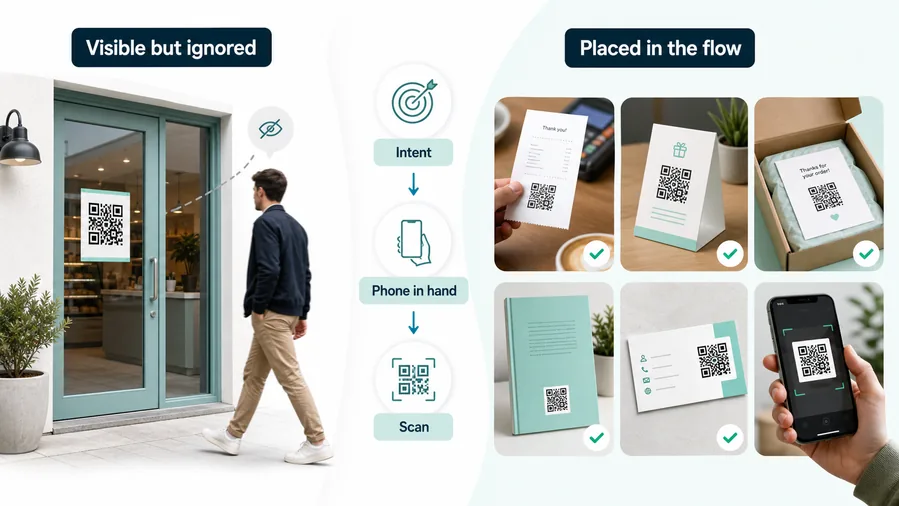
The QR opens a pile of unrelated links
A link hub can feel lazy when it sends every scanner to the same generic list, no matter what the printed material promised.
The page should be curated for the card, flyer, package, badge, or campaign that carries the QR.
The QR collects the next actions that belong together
Creator cards can lead with follow and portfolio. Packaging can lead with setup and support. Event print can lead with schedule and tickets.
The printed caption should explain the hub: links, resources, booking, shop, or current updates.
Why does this need more than one link?
Use a hub only when multiple actions are genuinely useful from this printed context.
What is the first action?
Order the links around the strongest promise: book, buy, watch, download, follow, or contact.
Will the links change often?
Dynamic QR is valuable when campaigns, products, launches, or social content rotate.
Does the printed context identify the owner?
A link hub should not feel anonymous; show name, handle, brand, or product nearby.
Creator card or badge
Useful for profile, portfolio, shop, newsletter, booking, and contact links after meeting offline.
Campaign flyer or poster
Lead with the offer, launch, event, video, preorder, download, or signup being promoted.
Product packaging
Group setup, warranty, support, review, reorder, files, and social links behind one code.
Event or venue print
Collect schedule, map, tickets, Wi-Fi, menu, sponsor, and feedback links when several paths matter.
Poster or event sign
Best where people pause: registration line, booth, waiting area, seat back, schedule board, or exit path. Weak when people only pass at speed.
Business card
Useful after a conversation because the person already knows why they might save a contact, open a portfolio, book a call, or follow up.
Window sign
Good for after-hours menus, booking, pickup instructions, or quick offers. Avoid complex actions when the person is outside and just walking by.
Cover or front label
Use it only when the promise is immediate and clear. Otherwise the better scan moment is often inside the material or after the first interaction.
A link-in-bio QR should make multiple paths feel organized
Use it where the scanner has a reason to choose among several current links, then keep the first action aligned with the printed CTA.
Link hub control
Use dynamic QR when the link-in-bio page changes after printing
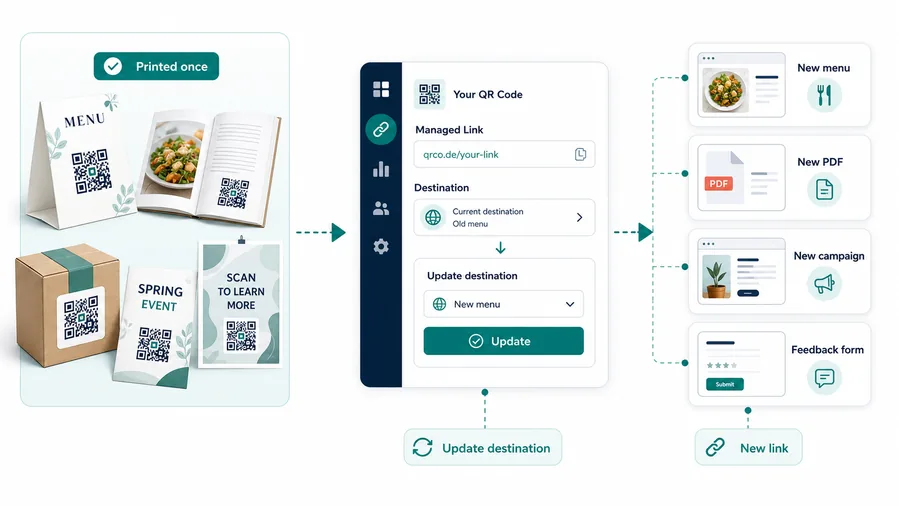
DynamicA link-in-bio QR is often printed on things that outlive campaigns: cards, packaging, posters, stickers, badges, inserts, and signs. Dynamic QR keeps the same printed code while the link hub changes.
Printed links can age faster than the material
A single campaign link may be perfect today and stale next month when a launch ends, a shop item sells out, a booking page moves, or a social platform changes.
Printed cards and packaging continue circulating after those links have changed.
The same QR can open the current set of links
Dynamic QR lets the destination evolve from launch to follow-up, from event to recap, from product setup to support, or from campaign offer to evergreen profile.
That protects the printed material without making the scanner deal with a broken or outdated first link.
Creator launches
Rotate videos, preorder pages, shop drops, newsletter pushes, press kits, and latest content.
Product packaging
Update setup guides, warranty pages, manuals, support forms, reviews, and reorder links.
Event campaigns
Move from registration to schedule, map, livestream, feedback, recordings, and next-event signup.
Local business print
Change booking, menu, coupon, portfolio, contact, review, and social links as priorities shift.
Use dynamic when the printed hub needs a living destination
If the QR code will sit on long-lived print while links change, keep the destination editable and the first link current.
Choice design
Keep the landing page short enough to be useful on a phone
A link-in-bio page can become messy if every possible link is included. For printed QR codes, prioritize the actions that match the placement: booking and portfolio on a business card, shop and product links on packaging, schedule and merch at an event, newsletter and downloads inside a book, menu and reviews on a table card, or contact and quote request on a local service flyer.
Use a dynamic QR code when the link-in-bio destination or campaign focus may change. A creator may switch from a launch page to a tour page. A shop may move from a seasonal collection to a sale. A restaurant may change from menu to reservation. QR Code Lab lets the printed code stay useful while the destination changes.
Tracking scans helps compare which physical placements send people into the hub. QR Code Lab manages the QR route and scan reporting, while the bio page, shop, newsletter tool, booking system, payment provider, or social platform handles the final action after the visitor chooses a button.