Telegram Channel QR Code Generator - Channel, Video & Subscriber Links
Create Telegram channel QR codes for public channels, invite links, announcements, communities, creator updates, events, and print campaigns. Ready for print and digital use.
Free QR code generator
Create a QR code online
Generate QR codes for websites, email, phone numbers, vCards, Wi-Fi, plain text, forms, PDF files, and campaign links. Customize colors, add a logo or frame, then download a print-ready PNG or SVG.
Choose QR code type
Website QR code, Email QR code, Phone QR code, vCard QR code, Wi-Fi QR code, Text QR code, SMS, WhatsApp, event, and download links.
Add your content
Enter your website URL, contact details, message, phone number, location, or file destination before generating the QR code.
Customize and download
Adjust QR colors, error correction, logo, frame, size, and margin. Generate QR Code, Download PNG, Download SVG, or Save and track scans.
Related QR code generators
Channel join path
Use a Telegram channel QR code when the scanner should subscribe to updates
A Telegram channel QR code sends scanners to a public channel, invite link, announcement channel, creator update feed, community broadcast, event update stream, publisher feed, or local business channel. It is useful for creators, communities, local businesses, event organizers, educators, publishers, marketers, and teams that want a simple print-to-channel path.
Use a channel QR when the promise is broadcast updates rather than conversation. A channel is good for launch alerts, course notices, event reminders, product updates, news, offers, and one-to-many communication. If people should chat with each other, a group link may be better. If they need an automated action, a bot link may be cleaner.
QR Code Lab creates a QR code for the Telegram channel URL. It does not create channels, manage subscribers, approve access, control Telegram visibility, or operate the platform. If a channel or invite link is private, expired, or restricted, Telegram settings still apply.
For business and creator use, keep the promise simple. A channel QR should tell people what they will receive after subscribing, not only show the Telegram name.
Telegram channel QR workflow
Use a Telegram channel QR when the scan should become a subscription to updates
Channel QRA Telegram channel QR is useful when printed material should bring people into an announcement stream: product drops, local alerts, event updates, community news, class notices, creator posts, or support broadcasts.
Send scanners to an update stream, not a one-time page
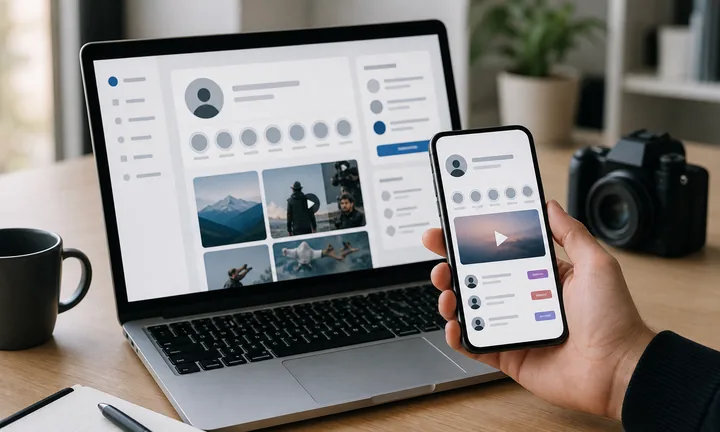
Use channel QR codes when the value continues after the first scan. Flyers, posters, receipts, event signs, product inserts, class sheets, and community handouts can turn momentary attention into a subscribed audience for future updates.
The CTA should say what kind of updates people will receive.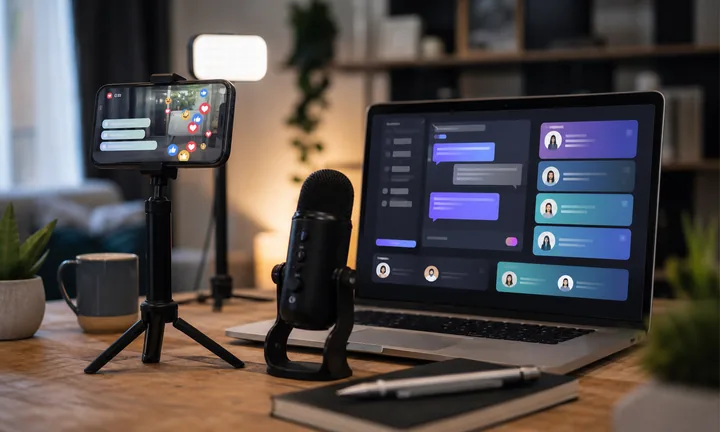
Make the channel promise specific enough to trust
A channel is a commitment. Tell people whether they will get schedule changes, product launches, delivery alerts, local announcements, class resources, creator posts, or service notices. Vague join prompts usually feel weaker than a clear update promise.
Subscription intent needs more clarity than a generic social follow.
Protect invite links and campaign channels after printing
Channel usernames, invite links, campaign channels, and fallback destinations can change after posters or inserts are printed. Dynamic QR lets the same printed code point to the current channel or a replacement page later.
Editable routing is useful for events, launches, schools, communities, and seasonal campaigns.A Telegram channel QR should explain what people are subscribing to
The strongest channel scans happen when the printed material names the benefit of joining: timely updates, fewer missed announcements, direct creator posts, local alerts, or resources that will continue after the event or purchase.
Make the channel feel useful before asking for the join.Announcements
Use for launches, product updates, schedule changes, venue news, and organizational notices.
Event updates
Use for attendee alerts, speaker changes, reminders, maps, recaps, and post-event resources.
Community or class notices
Use when a group needs one-way updates without turning every scanner into a public discussion.
Creator or brand broadcast
Use when followers should receive drops, posts, behind-the-scenes updates, or campaign news.
Telegram channel scan experience
Make the channel join feel worth it before Telegram opens
Scan UXA channel QR should tell people what updates they will receive and why subscribing is useful. The destination should confirm the channel identity and content promise immediately.
Direct action: the device handles it
Wi-Fi, vCard, phone, email, SMS, plain URLWhen the QR code contains direct data, the phone decides what to show. It may open the native Wi-Fi join prompt, contact-save screen, email client, phone dialer, SMS composer, browser, or another app chosen by the user.
There is not much QR Code Lab can improve inside that native interface. Compatibility depends on the scanner app, camera, operating system, browser, and user settings. Your responsibility is to encode clean data: correct Wi-Fi credentials, a valid email, a tidy vCard, a working URL, and a clear printed caption near the code.
Tracked QR: your destination carries the experience
Dynamic URL, tracked campaign, external page, PDF, formWhen a dynamic QR code redirects to your website, form, shop page, PDF, booking page, or campaign, QR Code Lab can manage the link, keep it editable, and record scan analytics. But the page people land on is still your experience.
That destination should be fast, mobile-friendly, and honest about the promise printed near the QR code. The main CTA should be visible without hunting, forms should be short, files should open cleanly on phones, and the content should not feel like a desktop page squeezed onto a small screen.
Microlanding: QR Code Lab shapes the experience
Hosted page, buttons, image, files, contact, feedbackA QR Code Lab microlanding page is useful when you do not have a good mobile destination or when one scan should offer several actions. Instead of sending people to a heavy page, you can present a clean mobile-first page with clear buttons, files, images, links, and contact actions.
This is where QR Code Lab can do the most for scan experience. The content is organized for phones, buttons are easy to tap, PDF or ZIP downloads can be presented clearly, and the page can be updated after printing. It works well for books, packaging, menus, events, instructions, bonus materials, and feedback flows.
Does the QR open the intended channel?
Test the link on mobile and confirm the channel name, access setting, and join flow.
Does the print explain the benefit of joining?
Tell people what kind of updates they will receive and how often they should expect them.
Can the invite be replaced after print?
Use dynamic QR when the channel, invite, or campaign route might change.
The scan should turn interest into an update relationship
Use a channel QR when one-way announcements are the value; use a group or bot when people need conversation or guided action.
Telegram channel placement
Place the channel QR where people want future updates
PlacementTelegram channel QR codes belong where the printed moment creates ongoing interest: event schedules, local alerts, product drops, class resources, venue news, creator updates, and community announcements.
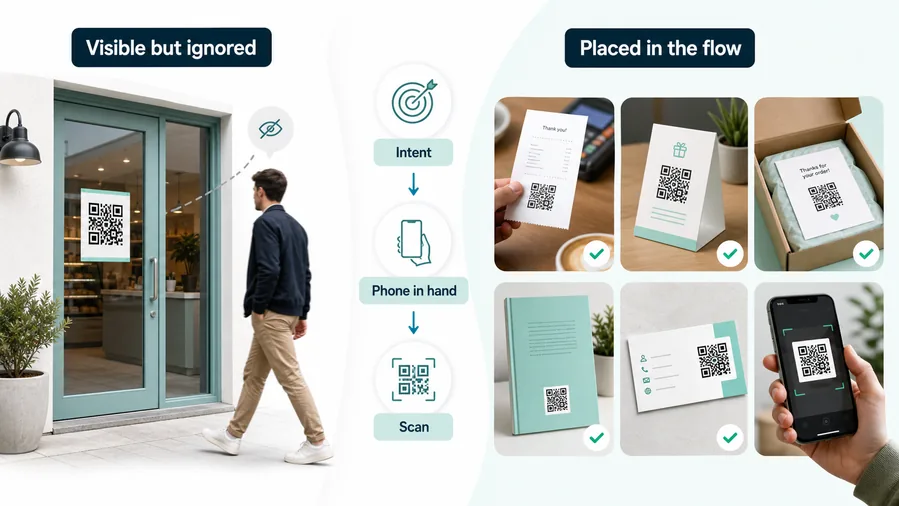
A join prompt without a content promise feels risky
People may not join a channel if they cannot tell what messages they will receive or who publishes them.
A QR code in a footer is weaker than a code attached to a specific update need.
Put the QR where missing updates would matter
Use it near schedules, signups, product launches, local notices, class resources, event entrances, or creator material.
The scan should feel like saving a useful announcement stream before the person leaves.
What updates will subscribers receive?
Name announcements, alerts, drops, schedules, resources, news, recaps, or creator posts.
Why subscribe now?
Place the QR where the person just encountered the event, product, class, venue, offer, or creator.
Is a channel better than a group?
Use a channel for official one-way updates; use a group when members should discuss.
Will the channel or invite change?
Use dynamic QR for event and campaign materials that may need a new channel or fallback.
Event poster
Send attendees to schedule changes, reminders, maps, recaps, speaker notes, and follow-up resources.
Class handout
Use for homework updates, resources, timetable changes, teacher notes, and cohort announcements.
Storefront card
Promote hours, offers, drops, local alerts, availability, and service updates.
Product insert
Invite customers to release notes, care updates, warranty notices, and product announcements.
Creator card
Let fans subscribe to posts, drops, live updates, and behind-the-scenes announcements.
Community flyer
Open local notices, club updates, volunteer calls, and organizational announcements.
Conference badge
Give attendees a quick way to receive agenda changes, room updates, and post-event links.
Launch poster
Use for product drops, waitlists, beta updates, limited offers, and campaign news.
Use channel QR where official updates are the value
If people need to ask questions or coordinate, choose a group or bot instead of a channel.
Subscription context
Place the channel QR where updates are a useful next step
Good placements include event signs, course handouts, flyers, publisher inserts, community posters, packaging, table tents, onboarding cards, book pages, product inserts, and local business counters. The printed copy should explain what subscribers get: alerts, new posts, offers, lesson updates, launch news, event reminders, release notes, or community announcements.
Long-lived print is risky with raw invite links because channels, invite settings, and campaigns can change. Dynamic QR lets you keep the printed code while updating the destination to a new channel, a landing page with instructions, or a different campaign path. This is useful for events, courses, retail displays, and publisher materials.
Scan analytics helps compare flyers, signs, cards, inserts, and event placements. QR Code Lab manages QR routing and scan counts; Telegram controls subscription, visibility, notifications, members, and content after people open the channel.
If the channel is part of a campaign, use one QR per major placement. That makes it easier to see whether posters, handouts, packaging, or event signs are actually creating subscribers, not only impressions.
Editable channel routing
Keep Telegram channel invites current after the material is printed
DynamicChannel links, invite settings, campaign channels, and fallback pages can change. Dynamic QR protects posters, inserts, handouts, and signs from pointing to the wrong announcement stream later.
A fixed invite can point to an old channel
A static channel QR is acceptable when the channel and access settings are permanent.
Campaign, event, class, and launch materials often need a different destination after the first announcement cycle ends.
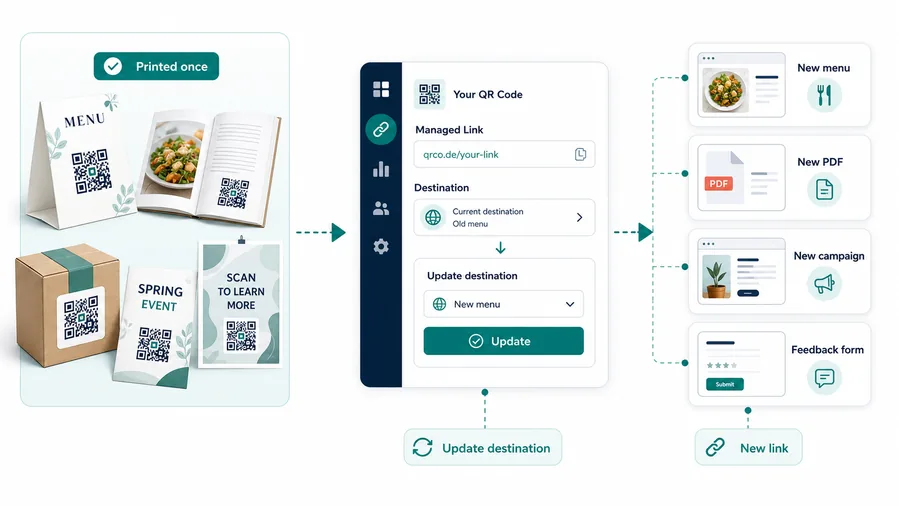
The same printed QR can lead to the current update stream
Dynamic routing lets you replace an invite, send old materials to a recap, or move scans to a new channel.
That helps when printed material is still visible after the original channel is archived, renamed, or replaced.
Events
Move from pre-event updates to live alerts, recaps, resources, or next-event announcements.
Classes and cohorts
Switch printed materials from one cohort channel to a current class, archive, or resource page.
Product launches
Replace waitlist channels, drop announcements, campaign feeds, and post-launch updates as the launch matures.
Local notices
Update regional channels, venue announcements, community alerts, or fallback pages without reprinting signs.
Use dynamic when the channel is tied to time-sensitive updates
If the printed QR may outlive the channel’s first purpose, editable routing keeps the scan useful.