Parking QR Code Scam Checker for Meters, Signs & Tickets
Check parking QR codes before paying by decoding the image, previewing the destination, inspecting redirects, and reviewing risk signals from meters, signs, tickets, stickers, and notices.
Payment caution
Check the parking QR before you trust the payment page
A parking QR code scam works because the situation feels rushed and ordinary. You are near a meter, a garage sign, a windshield notice, or a temporary event parking board, and the printed message tells you to scan and pay. A fake sticker can sit on top of a real sign and send drivers to a lookalike payment page before they notice the domain, redirects, or brand name are wrong.
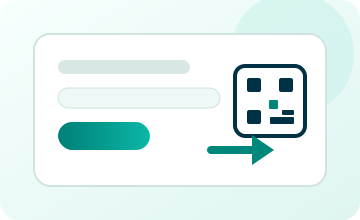
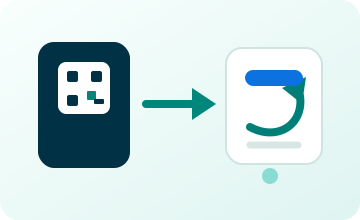
QR Code Lab can help with the first inspection step. You can decode an uploaded QR image, screenshot, pasted image, or mobile camera photo with jsQR. For URL QR codes, the checker can show the decoded content, highlight basic risk signals, and request a destination report so you can review redirects and the final destination before opening the payment page yourself.
This is not a guarantee of safety and it does not replace a dedicated security tool. QR Code Lab does not block phishing pages, remove malware, process parking payments, or verify that a parking operator is legitimate. It gives you a clearer first look so you can slow down before typing card details, banking credentials, or account login information into a page reached from a public QR sticker.
Parking QR safety
Check parking QR codes before entering payment details
Scam checkParking QR scams work because drivers are rushed, standing near a sign, and expecting to pay quickly. A safe scan should match the parking operator, location, meter zone, price context, and official payment provider before any card details appear.

Sticker replacement on public signs
Fraudulent QR stickers can be placed over real parking signs, sending drivers to fake payment pages that look urgent and local.
Inspect the sign, compare posted URLs, and avoid scanning damaged or layered stickers.
Fake payment pages with urgent wording
Scam pages may copy parking language, ask for card details quickly, or claim a fine is coming if payment is not made immediately.
Check the domain, HTTPS, operator name, zone number, and payment provider before paying.
Wrong zone or operator mismatch
A real-looking page can still be wrong if it does not match the lot, city, meter zone, plate entry flow, or posted parking company.
Use the official app, website, or meter instructions when anything does not match.Inspect the destination before paying
A parking QR check should slow the payment moment enough to confirm that the QR, sign, URL, operator, zone, and payment flow all agree.
QR Code Lab can help inspect encoded content, but it cannot guarantee that a parking operator, public sign, or payment page is legitimate.Encoded URL
Look at the raw destination before opening or paying.
Operator match
Compare the page with the parking company, city, lot, or meter brand on the sign.
Zone and plate flow
Check that zone number, location, rate, and license plate flow match the physical parking spot.
Payment provider
Use the official app or website when the QR page feels unfamiliar or urgent.
Parking operators should publish QR codes people can verify
Public parking QR codes need visible operator branding, fallback URLs, zone details, tamper-resistant materials, and regular sign inspections.
Payment risk
Treat parking QR payment pages as high-risk until verified
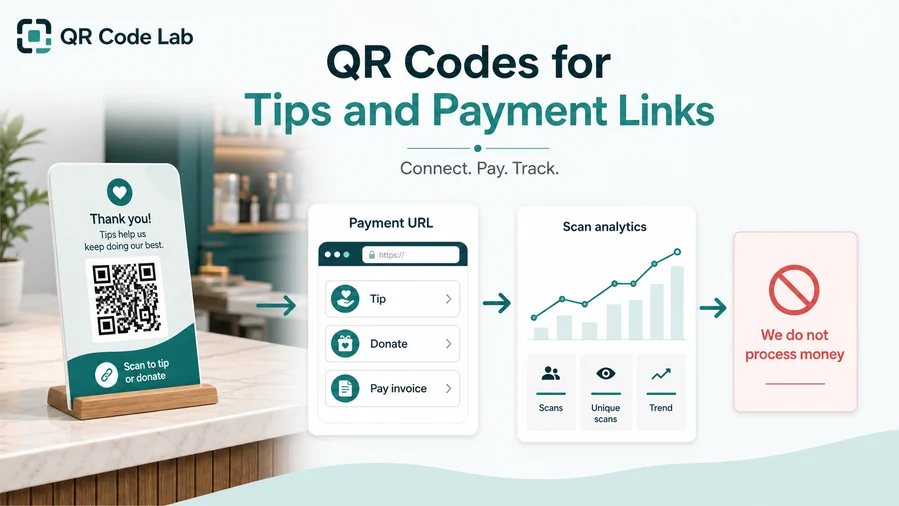
PaymentsA parking QR code may open an official payment provider, but scammers also use QR codes to capture card details. Confirm the parking operator and payment page before entering personal or payment information.
Use QR only as a shortcut to the official page
The safest parking QR flow should match the posted operator, zone, plate entry, rate, and official payment provider.
Do not let urgency replace verification
Scam pages often push fast payment with warnings about fines. Take a moment to check the URL and sign details before paying.
Confirm payment inside the official system
A QR scan or page load does not prove parking is paid. Keep confirmation from the official app, website, meter, or provider.
QR scanning does not validate the parking charge
QR Code Lab does not operate parking lots, process parking payments, validate fines, or confirm whether a parking payment page is legitimate.
When in doubt, use the official parking app, typed website, meter, or posted customer support number.Verify first, pay second
A parking QR code is convenient only when it clearly matches the official parking operator and location.
Before you pay
Slow the parking scan down just enough to catch the warning signs
Scan UXParking QR scams rely on speed. A safer scan habit is simple: inspect the sign, preview the URL, compare the operator and zone, then pay only through the official destination.
Check for stickers, damage, and mismatched branding
Layered sticker, scratched sign, odd logo, missing URLLook at the QR code area before scanning. A sticker placed over another code, rough edges, damage, or mismatched branding can be a warning sign.
Official parking signs usually provide more than a QR code: operator name, zone number, app name, URL, or phone support.
Preview the URL before entering card details
Domain, HTTPS, operator name, payment providerCheck whether the domain looks like the official parking operator or payment provider. Be careful with strange short links, misspellings, and urgent payment pages.
If anything feels off, search for the official parking app or type the posted URL manually.
Match the zone, plate, and rate before paying
Lot, city, meter zone, license plate, amountA real parking flow should match the physical location, posted rate, zone number, and license plate process.
Save the official confirmation after payment, because a scan itself is not proof that parking was paid.
Does the QR look added later?
Layered stickers or damaged signs deserve extra suspicion.
Does the URL match the operator?
Compare the domain with the parking company, city, app, or posted website.
Does the payment flow match the spot?
Zone, lot, plate, rate, and provider should align before you pay.
A safe parking scan confirms the physical and digital details
Do not enter payment details until the sign, URL, operator, zone, and payment flow make sense together.
Before paying
Compare the QR destination with the official parking operator
Be careful with QR codes on meters, street signs, garage doors, windshield tickets, public stickers, payment notices, and temporary parking boards. A real parking QR should usually match the operator, city, garage, event venue, or official payment app named on the sign. Watch for strange domains, misspelled brands, unrelated short links, extra redirects, urgent wording, or pages that ask for more information than a normal parking payment should need.
If the QR opens a card form, bank login, wallet prompt, or account page, pause before entering anything. Search for the parking operator independently, use the official app if one is listed, compare the URL with the website printed on the sign, or ask staff when you are in a managed garage. If a sticker looks recently placed over another sticker, treat it as a warning sign. QR Code Lab can help decode and preview the destination, but the safest decision may still be to avoid the QR and reach the official payment page another way.
This extra minute matters because parking scams often rely on pressure. The goal is to make you pay quickly before you notice that the page is not the official service.