Wedding Website QR Code Generator for RSVP, Schedules & Guest Details
Create wedding website QR codes for RSVP, schedules, venue maps, registries, photos, travel details, menus, livestreams, and guest updates. Ready for print and digital use.
Free QR code generator
Create a QR code online
Generate QR codes for websites, email, phone numbers, vCards, Wi-Fi, plain text, forms, PDF files, and campaign links. Customize colors, add a logo or frame, then download a print-ready PNG or SVG.
Choose QR code type
Website QR code, Email QR code, Phone QR code, vCard QR code, Wi-Fi QR code, Text QR code, SMS, WhatsApp, event, and download links.
Add your content
Enter your website URL, contact details, message, phone number, location, or file destination before generating the QR code.
Customize and download
Adjust QR colors, error correction, logo, frame, size, and margin. Generate QR Code, Download PNG, Download SVG, or Save and track scans.
QR solutions for this use case
Wedding hub path
Use one scan for the full wedding details hub
A wedding website QR code is useful when one printed scan should open a central page for RSVP, schedules, venue maps, registries, photos, travel details, menus, livestreams, guest updates, and common questions. It helps couples and planners keep invitations, welcome signs, and printed guest materials simple while still sharing complete information.
Think of this QR code as the doorway to the wedding hub. It is different from a narrow QR code for RSVP only, directions only, menu only, or registry only. Use the wedding website QR when guests need several details in one place. Use a single-purpose QR code when one action matters most. The CTA should make that choice clear so guests know whether they are opening a full site or a specific task.
QR Code Lab creates URL QR codes, dynamic destinations, and scan analytics. It does not manage RSVPs, guest lists, registries, photos, menus, livestreams, hotel bookings, or wedding websites. Your wedding website, RSVP platform, registry, gallery, map service, or planning tool handles the actual guest information.
Wedding guest hub
Use a wedding website QR code when guests need one trusted place for event details
Wedding hubA wedding website QR should open the couple’s guest hub for RSVP, schedule, directions, registry, menu, dress code, hotel block, photos, updates, and contact details.

Put the full guest plan behind a simple printed code
Invitations and signs cannot comfortably hold every detail. A wedding website QR can connect guests to RSVP, venue maps, hotel block, weekend schedule, registry, meal notes, and day-of updates from one calm page.
The first screen should clearly belong to the couple and wedding date.
Give guests a better answer than a long URL
Guests may scan from a save-the-date, invitation insert, welcome card, ceremony sign, program, or reception table. The QR should open the exact wedding website section that matches the printed promise.
Use section-specific links when the print asks for one action.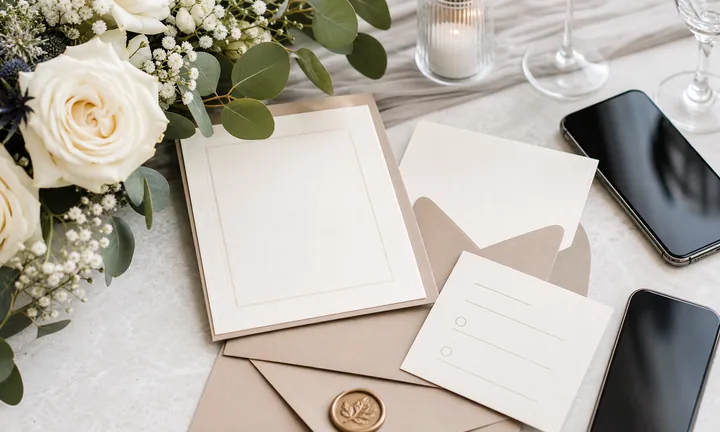
Keep wedding details editable across the planning timeline
Wedding plans change over months. Dynamic QR protects printed pieces when the couple updates RSVP deadlines, hotel links, shuttle details, menu notes, registry options, weather plans, or photo pages.
The printed code can stay stable while the guest page evolves.A wedding website QR should reduce guest questions, not scatter them
The guest wants one official place to confirm what to wear, where to go, when to arrive, how to RSVP, what to gift, and where to find updates. The scan should make the wedding feel organized and personal.
Use clear CTAs such as visit our wedding website, RSVP, weekend details, directions, registry, or guest updates.RSVP and schedule
Open response forms, deadlines, ceremony time, reception flow, weekend events, and last-minute updates.
Travel and venue help
Show maps, parking, shuttle, hotel block, rideshare notes, accessibility, and planner contact.
Registry and menu
Connect gift links, cash funds, charity notes, dinner menu, allergens, bar details, and guest preferences.
After the wedding
Move the same hub to photos, thank-you notes, replayed memories, address collection, and follow-up details.
Events, conferences, and weddings
Match wedding website QR codes to the guest detail they need next
Attendee flowA wedding website QR can be broad, but the printed context should decide what opens first: RSVP, schedule, maps, hotel block, registry, menu, photos, or day-of updates.

Send invitation scans to RSVP and key details
Open RSVP, deadline, guest names, plus-one rules, meal choice, ceremony time, reception location, and the main weekend overview.

Send travel scans to maps and hotel information
Use welcome cards and hotel signs for parking, shuttle, room block, local transport, accessibility, and emergency contact.

Send reception scans to menu and schedule
Use programs and table cards for dinner details, bar notes, speech timing, after-party, and late-night snacks.

Send gift scans to registry context
Open the registry section, cash fund, charity preference, shipping notes, or thank-you message with couple identity visible.

Send post-event scans to photos and follow-up
After the wedding, update the same hub or related QR path for photo upload, gallery, thank-you details, and address updates.
Guests need one current answer
The first screen should make the couple, wedding date, and requested action obvious before guests browse deeper.
Couples need the printed QR to survive planning changes
Dynamic QR protects invitations, inserts, signs, and cards when the wedding website sections or links change.
Match website QR placement to wedding stage
Wedding hub placement
Place wedding website QR codes where guests expect full event details
PlacementA wedding website QR belongs on printed pieces that naturally point guests to more context: save-the-dates, invitations, inserts, welcome cards, programs, signs, and thank-you materials.
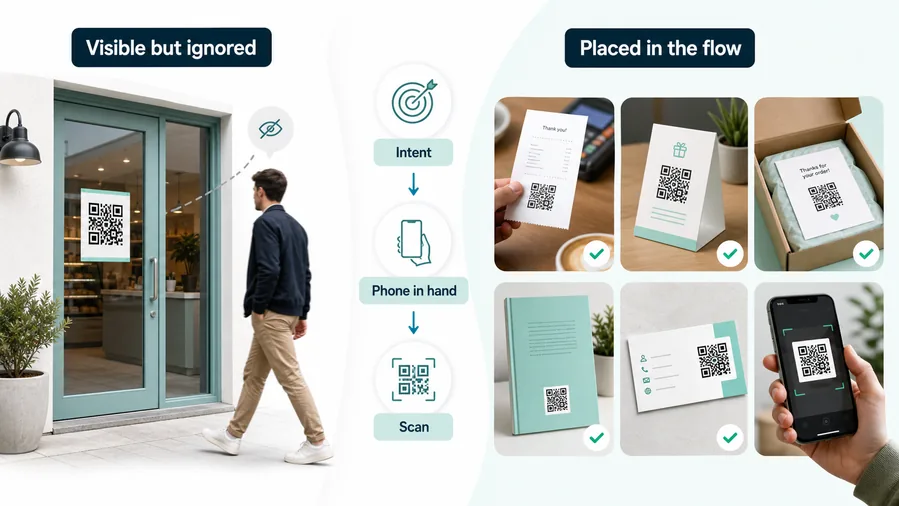
A generic website QR can make guests hunt again
If the printed CTA says RSVP, registry, directions, or menu, the scan should not force guests to search the entire website.
Use the full wedding website when guests need a hub, and section links when the print promises one action.
Put the QR beside the detail guests are already looking for
Use invitation inserts for RSVP and weekend details, hotel cards for travel, table cards for menu, and signs for updates.
The landing page should match the printed promise while keeping the broader hub nearby.
What wedding stage is this?
Save-the-date, invitation, RSVP, travel planning, welcome weekend, ceremony, reception, or post-event follow-up.
What should open first?
Main website, RSVP, directions, registry, menu, photos, hotel block, schedule, or update page.
Will the link change?
Use dynamic QR when website sections, forms, registry links, maps, or photo pages may move.
Is the CTA gracious and specific?
Use visit our wedding website, RSVP here, weekend details, view registry, or guest updates.
Save-the-date
Open the early wedding website, travel planning, hotel block preview, and date details.
Invitation insert
Open RSVP, schedule, venue, registry, dress code, and guest information.
Details card
Use for travel, parking, shuttle, accommodations, FAQs, and wedding website hub.
Welcome bag card
Open weekend schedule, local guide, shuttle, hotel notes, and contact information.
Ceremony program
Show schedule, reception route, wedding party, menu, and photo upload.
Reception table card
Open menu, bar details, photo upload, registry note, and after-party information.
Guest book or photo sign
Send guests to upload photos, leave notes, or view shared memories.
Thank-you insert
Open gallery, address update, registry closeout, or couple message after the event.
Wedding website QR placement should point to the right part of the hub
A single website can hold everything, but each printed QR should still have one clear guest promise.
After-print control
Use dynamic QR when the wedding website may change after printing
DynamicWedding websites evolve from save-the-date to invitation, RSVP, travel, wedding day, photos, and thank-you follow-up. Dynamic QR lets printed pieces keep working as the hub changes.
Wedding website links move during planning
RSVP forms close, registry sections change, hotel blocks expire, directions update, and photo pages appear after the wedding.
A static QR can trap printed cards on an old section.
The same printed code can follow the wedding timeline
Use dynamic QR when the destination may shift from planning details to day-of updates or post-wedding photos.
Guests scan the same printed piece and reach the current page.
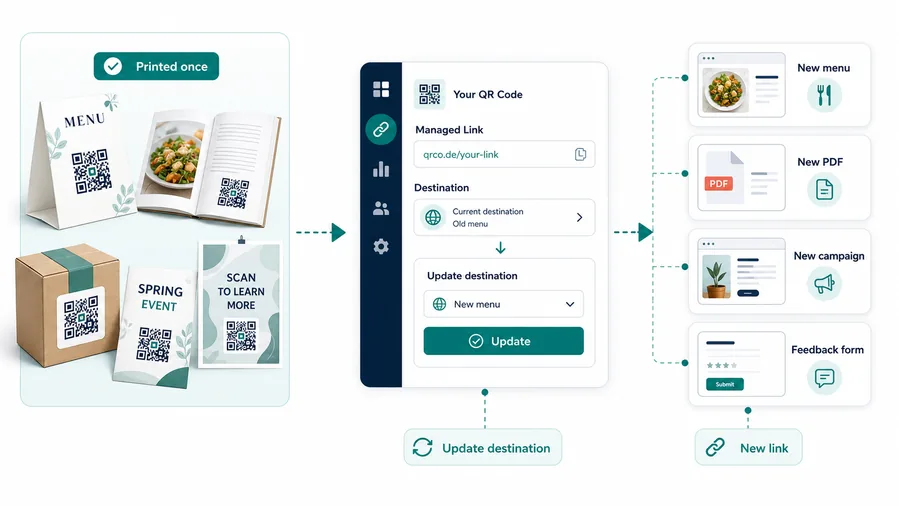
RSVP phase
Point invitations to RSVP, meal choices, guest names, and deadlines.
Travel phase
Update hotel, parking, shuttle, venue, route, and accessibility details.
Wedding day
Move guests to schedule, menu, photo upload, registry note, or live updates.
After the event
Update to photos, thank-you notes, address collection, and follow-up pages.
Use dynamic when one printed QR needs to serve multiple wedding stages
If the wedding website will change after print, make the QR destination editable from the start.
Scan reporting
Use wedding website scan data to see which guest materials get used
AnalyticsTracking is useful when save-the-dates, invitations, hotel cards, programs, table cards, registry notes, and photo signs should have separate scan readouts.
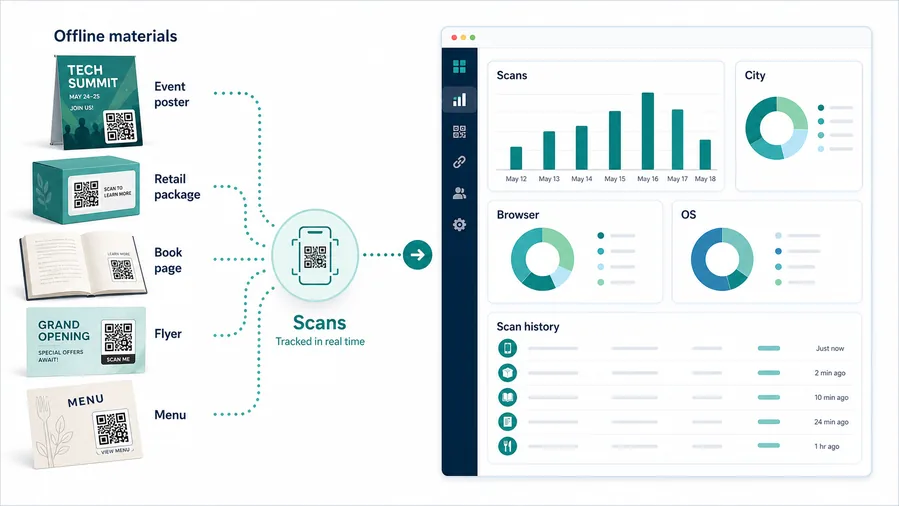
One wedding website QR hides guest intent
A shared QR can show total scans, but it cannot explain whether guests wanted RSVP, directions, registry, menu, hotel details, or photos.
That makes guest communication harder to improve.
Separate wedding codes make guest needs easier to read
Use different dynamic codes for invitations, travel cards, registry notes, table menus, and photo upload signs when comparison matters.
Scan data is not attendance or RSVP completion, but it shows which printed prompts earned attention.
Scan volume
See which wedding materials and guest prompts received scans.
Time and device
Compare scans around mailing, RSVP deadline, travel weekend, reception, and post-event photo sharing.
Broad location
Use approximate location to catch mailed cards, hotel signs, or stale materials still scanning.
Guest action comparison
Compare RSVP, directions, registry, menu, schedule, photos, and updates.
Invitation response
Compare save-the-date, invitation, and details-card scans.
Travel support
Read hotel cards, shuttle signs, parking notes, and welcome inserts separately.
Reception usage
Compare menu, photo upload, registry note, and after-party scans.
Post-event cleanup
Find old RSVP or registry links still receiving scans after the wedding.
Name wedding website QR codes by material and action
Use names like invite-rsvp, hotel-shuttle, table-menu, registry-insert, or photo-upload so reports stay readable.
Invitation and guest flow
Put the wedding website QR code wherever guests expect the big picture
Useful placements include save-the-dates, invitation details cards, welcome signs, hotel welcome bags, ceremony programs, table cards, registry cards, photo upload signs, and thank-you notes. CTAs should say visit wedding website, see guest details, RSVP and view schedule, open travel info, view registry, or get updates. The printed wording should tell guests whether the site includes everything or just one section.
Dynamic QR codes are practical because wedding sites change. RSVP deadlines move, hotel blocks update, registry links are added, menus are finalized, maps change, and photo pages appear after the event. You can update the destination without reprinting materials. Scan analytics can show whether guests use the QR code from invitations, hotel bags, signs, or table cards.
Keep the wedding site organized for mobile. Guests should see the most urgent action first, such as RSVP before the deadline or directions on the wedding day. QR Code Lab manages the QR destination and scan data, while the wedding platform handles private guest information, submissions, registry activity, images, and planning workflows.
Scan trust
Make wedding website QR codes official enough for guests to trust
TrustWedding website QR codes can open RSVP forms, maps, hotel links, registry pages, photo uploads, and personal details. The page should clearly belong to the couple and match the printed promise.

Wrong couple or old link
A stale URL, copied template, or moved website section can confuse guests before they RSVP or travel.
Watch for similar-looking domains, long URLs, login or verify keywords, and pages asking for credentials after an unexpected scan.
Sensitive guest details
RSVP forms, meal choices, plus-one rules, and contact details should feel official and respectful.
A trustworthy QR should not make the final destination mysterious, especially on posters, labels, menus, parking signs, or event materials.
Public sign replacement
QR codes on welcome tables, programs, and signs should be checked during setup.
Before paying, check the domain, HTTPS, amount, recipient, and whether the destination matches the place or brand that printed the QR.Scan the printed proof like the real scanner
Confirm that the destination shows the right identity, action, provider, file, form, or support path before people rely on the QR code.
Public and printed QR codes need more trust signals because the scanner cannot see the destination until after the scan.Couple and date match
Confirm the print, landing page, and form show the same names, wedding date, and event context.
Action clarity
Check that RSVP, directions, registry, menu, photos, or updates are obvious on the first screen.
Provider handoff
Make registry, map, hotel, and photo-upload provider handoffs clear.
Printed proof
Scan invitations, inserts, signs, and cards before mailing or setup.
Publish QR codes people can verify
The printed CTA, page title, organization identity, and first action should all describe the same destination.