
Wedding Menu QR Code Generator for Dinner & Bar Menus
Create wedding menu QR codes for dinner menus, bar menus, allergen notes, dietary options, reception details, PDF menus, and wedding websites. Use them on table cards, place settings, and bar signs.
Free QR code generator
Create a QR code online
Generate QR codes for websites, email, phone numbers, vCards, Wi-Fi, plain text, forms, PDF files, and campaign links. Customize colors, add a logo or frame, then download a print-ready PNG or SVG.
Choose QR code type
Website QR code, Email QR code, Phone QR code, vCard QR code, Wi-Fi QR code, Text QR code, SMS, WhatsApp, event, and download links.
Add your content
Enter your website URL, contact details, message, phone number, location, or file destination before generating the QR code.
Customize and download
Adjust QR colors, error correction, logo, frame, size, and margin. Generate QR Code, Download PNG, Download SVG, or Save and track scans.
QR solutions for this use case
Reception menu path
Give guests menu details without cluttering the table design
A wedding menu QR code is useful when guests should open dinner menus, bar menus, allergen notes, dietary options, dessert lists, reception details, PDF menus, or wedding website menu pages from a table card, bar sign, place card, buffet sign, program, welcome note, or reception sign. It keeps the printed design elegant while still making details easy to read.
This kind of QR code is usually informational, not an ordering flow. A table card can open the dinner menu. A bar sign can open signature drinks. A place card can open allergen notes. A buffet sign can open dietary details. A wedding website menu page can explain courses, timing, and catering notes. The page should feel calm and easy at the table, not like a restaurant checkout screen.
QR Code Lab creates URL QR codes, dynamic destinations, and scan analytics. It does not manage catering, collect meal choices, process payments, run ordering, or operate venue software. Your wedding website, caterer page, PDF host, menu page, or planner document handles the actual reception information.
Wedding guest moment
Wedding guest moment event, wedding, venue, and attendee teams with registration, RSVPs, ticket pages, schedules, maps, guest details, and follow-up
Menu QRUse QR codes to move event, wedding, venue, and attendee teams from invitations, banners, badges, programs, table cards, venue signs, and attendee handouts to registration, RSVPs, ticket pages, schedules, maps, guest details, and follow-up without making guests search or type a long URL.

Give guests menu detail without printing a booklet
A QR on the table card, menu insert, bar sign, or program can open courses, ingredients, allergens, dietary labels, drink pairings, and catering notes.
The scan should feel like hospitality, not a shortcut to a generic page.
Support dietary questions gracefully
Guests may need vegetarian, vegan, gluten-free, nut, shellfish, alcohol, kids meal, or allergy details. A clear QR destination can reduce awkward questions at the table.
Dietary clarity is guest care.
Keep menu and bar details editable
Dynamic QR helps when courses, wines, bar hours, late-night snacks, caterer notes, or venue policies change after table print is finalized.
Useful when the final menu lands close to the event.Wedding menu QR codes should feel helpful before the guest asks
Guests are seated, choosing drinks, checking ingredients, or planning around dietary needs. The QR destination should make dinner easier to enjoy without pulling them out of the celebration.
Use clear labels such as view dinner menu, see allergens, bar menu, late-night snacks, or dietary notes.Dinner courses
Show appetizers, mains, sides, dessert, late-night food, and caterer notes.
Dietary clarity
Explain allergens, vegetarian, vegan, gluten-free, kids meals, and special accommodations.
Bar and drinks
Open signature cocktails, wine pairing, mocktails, bar hours, and payment or tipping notes if relevant.
Table experience
Keep the page elegant, mobile-friendly, and easy to scan between conversations.
Events, conferences, and weddings
Use wedding menu QR codes for the details guests actually need at the table
Attendee flowA wedding menu QR should support dinner service, dietary confidence, bar clarity, and guest comfort without making the printed table setting feel crowded.
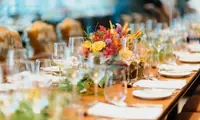
Show the full dinner menu
Open courses, ingredients, serving style, dessert, late-night snacks, and caterer notes that do not fit on a small printed card.

Make dietary information easy to find
Give guests allergen, gluten-free, vegetarian, vegan, kids meal, and special-diet notes without making them ask loudly at the table.

Add bar and drink details
Use the QR for signature cocktails, wine pairing, mocktails, bar hours, drink tickets, and venue alcohol rules.

Handle service questions kindly
Include how to ask staff about allergies, substitutions, accessibility, kids meals, or timing without disrupting the couple.

Update final details after print
Use dynamic QR when catering, drinks, bar timing, or dietary labels change after table cards or signs are printed.
Guests need menu clarity without friction
The first screen should make dinner details and dietary answers easy to find on a phone.
Couples and caterers need table print that stays elegant
A QR lets printed menus stay beautiful while the mobile page carries details that may change or be too long for the card.
Place menu QR codes where dining choices happen
Wedding placement
Place wedding menu QR codes where guests naturally look before eating or ordering
PlacementMenu QR placement should fit the reception moment: table setting, menu insert, bar sign, buffet label, program, seating chart, or welcome card.
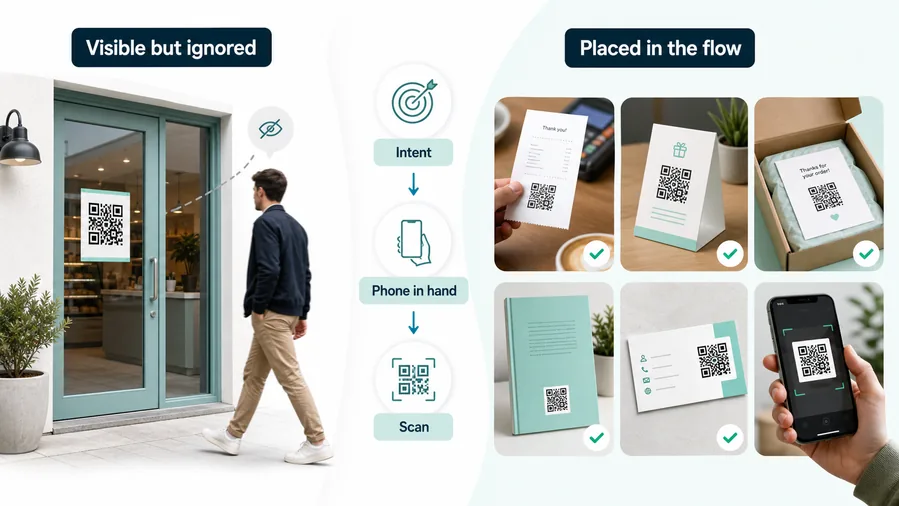
A menu QR without a clear promise feels decorative
Guests should not have to scan to learn whether the code opens dinner menu, bar list, allergens, or a wedding website.
The printed label should make the dining value obvious.
Put the QR beside the food or drink question
Use table cards for courses and dietary notes, bar signs for drinks, buffet labels for allergens, and programs for reception meal context.
The mobile page should match the exact menu promise.
What is the guest deciding?
Dinner course, dietary safety, drink choice, buffet item, kids meal, dessert, or late-night snack.
What must be visible first?
Menu title, courses, allergens, dietary labels, bar details, and staff-help path.
Will menu details change?
Use dynamic QR when final catering, bar menu, labels, or timing may shift after print.
Is the printed CTA elegant and clear?
Use view menu, see dietary notes, bar menu, signature drinks, or buffet allergens.
Place card or table card
Open dinner courses, dietary notes, guest help, and service timing.
Printed menu insert
Use for expanded ingredients, wine pairings, allergy details, and caterer notes.
Bar sign
Show signature cocktails, mocktails, bar hours, drink tickets, and venue policies.
Buffet label
Open allergens, ingredients, vegetarian, vegan, gluten-free, and serving notes.
Program
Give reception meal overview, timing, late-night snack, and dietary support.
Seating chart
Add table-specific menu notes or direct guests to the reception menu page.
Welcome card
Preview weekend food events, rehearsal dinner, brunch, and local dining notes.
Dessert table
Show dessert list, allergen notes, coffee service, and late-night food timing.
Wedding menu QR placement should feel like hospitality
Use it where guests need information, not as a mystery code on an otherwise elegant table.
Print readiness
Print wedding menu QR codes so they look elegant and scan at the table
Print checkWedding menu cards, signs, and buffet labels need enough contrast, quiet zone, and size to scan under reception lighting without hurting the table design.
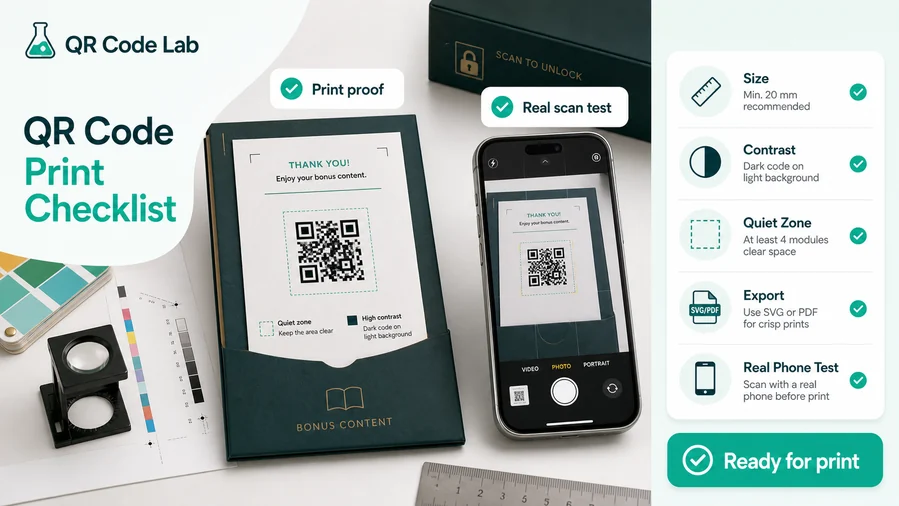
Test under reception conditions
Start with the physical basics: give the QR code enough size for the viewing distance, keep a clean quiet zone around it, and use strong contrast between the code and the background. A decorative frame or brand color is fine only while the finder squares and the pattern remain clear.
Export SVG or PDF when the QR code goes into professional print layouts. Raster files can work for small jobs, but vector output protects sharp edges on packaging, books, posters, labels, inserts, and manuals. Avoid inverted colors unless you test them on several phones, because some combinations look stylish on screen and scan poorly on paper.
Keep the quiet zone clean
Do not test only the design file on your monitor. Print a sample at the real size, scan it with a phone from the likely distance, and check it under normal lighting. A QR code in a book margin, on glossy packaging, on a folded flyer, or behind a display window behaves differently from the same code on a bright screen.
When the printed material is expensive to replace, use a dynamic QR code. If the destination changes later, the printed code can keep working while the link, file, offer, feedback form, or microlanding page is updated in QR Code Lab.
Use a mobile menu page when details are too long for print
A direct URL is enough when every scanner should go to the same single page. For books, manuals, packaging, training material, event handouts, and product inserts, a microlanding page is often more useful because it can collect several clear actions behind one printed QR code.
In QR Code Lab you can make that page practical: upload a cover image or product image, add buttons for the main action, attach a PDF for reading, add a ZIP with bonus files, and include a feedback or contact path. The printed QR code stays simple, while the destination can present the exact next step the scanner needs.
Table menu card
QR opens courses, dietary labels, and guest-help notes.
Bar sign
QR opens cocktails, mocktails, wine, timing, and venue rules.
Buffet label
QR opens ingredients, allergens, and serving notes.
Welcome card
QR opens rehearsal dinner, reception menu, brunch, and local food notes.
A polished menu QR still has to scan fast
Test the final paper and lighting before printing all reception materials.
Guest scan UX
Make the wedding menu scan open dinner details quickly and gracefully
Scan UXA menu QR should load fast, look intentional, and help guests find courses, drinks, allergens, and service help without zooming or scrolling through unrelated wedding content.
Open courses and ingredients first
Courses, ingredients, serving styleGuests should immediately see the wedding menu and understand whether they are viewing dinner, buffet, dessert, or brunch.
Keep long stories below practical menu details.
Make allergens and accommodations easy to find
Allergens, vegan, gluten-free, kids mealsDietary information should not be hidden behind decorative copy or a generic wedding website.
Give guests a discreet way to ask staff when they need help.
Use separate sections for drinks and service timing
Signature drinks, bar hours, late-night snacksIf the QR covers drinks, show bar timing, drink tickets, mocktails, and venue rules clearly.
The page should work one-handed at a table.
Does the first screen match the table card?
Guests should see menu, allergens, drinks, or buffet details based on the printed CTA.
Can guests find dietary help fast?
Allergen and accommodation details should be obvious without asking the couple or scrolling through unrelated sections.
Does it feel wedding-polished?
The page should be practical, mobile-friendly, and visually calm enough for the reception setting.
The menu scan should make dinner easier to enjoy
Use the QR to answer practical food questions while preserving the mood of the table.
Table and catering flow
Use menu QR codes where guests pause, read, and choose comfortably
Useful placements include table cards, menu cards, bar signs, buffet signs, place cards, welcome signs, reception programs, hotel welcome notes, and wedding website cards. CTAs should say view dinner menu, see bar menu, read allergen notes, view dietary options, open reception details, or see dessert list. Keep the printed phrase friendly and clear because guests may scan in low light.
Dynamic QR codes help when menu wording, bar options, allergen notes, PDF links, or reception timing changes after printing. A planner or caterer can adjust the destination without reprinting every table card. Scan analytics can show whether guests use the menu link, which can be helpful for future events or venue planning.
The destination should be easy on mobile. Put the menu and allergen information near the top, use readable text, and avoid forcing guests through a heavy website. QR Code Lab manages the QR destination and scan reporting, while the couple, planner, caterer, venue, or wedding website remains responsible for menu accuracy, dietary information, and reception logistics.
Guest trust
Make wedding menu QR codes trustworthy for dietary and venue details
TrustMenu QR codes can involve allergies, alcohol, venue policies, and guest comfort. The destination should clearly belong to the wedding or venue and avoid confusing guests with old or generic pages.

Outdated menu or allergens
Old courses, missing allergen notes, or changed catering details can create guest confusion and real dietary risk.
Watch for similar-looking domains, long URLs, login or verify keywords, and pages asking for credentials after an unexpected scan.
Unclear wedding identity
A menu page should name the wedding, venue, or reception context so guests know they opened the right event page.
A trustworthy QR should not make the final destination mysterious, especially on posters, labels, menus, parking signs, or event materials.
Public table-card replacement
QR codes on signs or cards should be checked before guests arrive, especially when they mention dietary or payment-related details.
Before paying, check the domain, HTTPS, amount, recipient, and whether the destination matches the place or brand that printed the QR.Scan the printed proof like a wedding guest
Confirm that the page shows the right couple, venue, date, action, provider, and support path before invitations, signs, or cards are distributed.
Wedding QR codes often appear on public signs, mailed cards, table print, and shared photos, so the destination should be unmistakably official.Menu match
Confirm courses, drinks, dietary notes, and service timing match the final caterer and venue plan.
Event identity
Show the couple, wedding, date, venue, or reception context on the menu page.
Dietary support
Keep staff-help instructions visible for allergies, substitutions, and sensitive questions.
Printed proof
Scan final table cards, bar signs, buffet labels, and programs before setup is complete.
Publish wedding QR codes guests can trust
The printed CTA, first screen, couple or event identity, and final destination should all describe the same wedding action.