QR Code for DJs - Booking, Song Requests & Playlists Online
Create QR codes for DJs linking booking forms, song request forms, playlists, event pages, tip links, reviews, social profiles, and videos. Use them on booth signs, cards, screens, and flyers.
Free QR code generator
Create a QR code online
Generate QR codes for websites, email, phone numbers, vCards, Wi-Fi, plain text, forms, PDF files, and campaign links. Customize colors, add a logo or frame, then download a print-ready PNG or SVG.
Choose QR code type
Website QR code, Email QR code, Phone QR code, vCard QR code, Wi-Fi QR code, Text QR code, SMS, WhatsApp, event, and download links.
Add your content
Enter your website URL, contact details, message, phone number, location, or file destination before generating the QR code.
Customize and download
Adjust QR colors, error correction, logo, frame, size, and margin. Generate QR Code, Download PNG, Download SVG, or Save and track scans.
QR solutions for this use case
Event music action
Help guests request songs while clients book, tip, and review
A QR code for DJs is useful when an event needs quick digital actions without interrupting the music. It can open booking forms, song request forms, playlists, event pages, tip links, review pages, social profiles, videos, and package pages. DJs, wedding DJs, event entertainers, mobile DJs, music performers, and booking teams can use QR codes on booth signs, table cards, business cards, programs, and review cards.
The scan should fit the audience. Guests may want to request a song or open a playlist. Planners may want booking packages. The couple or host may want reviews after the event. Fans may want social links or videos. QR Code Lab helps create separate, trackable QR codes for those moments so one crowded landing page does not have to do everything.
This keeps the party flow smooth while still giving people an easy digital action.
QR Code Lab creates URL QR codes only. It does not process payments, manage bookings, collect forms, run event software, or operate music platforms. The linked booking, form, payment, review, playlist, or social platform handles the actual workflow.
Events, conferences, and weddings
Give guests the right DJ action without pulling attention off the event
Attendee flowDJ QR codes should match the moment: request a song, tip, book the DJ, open a playlist, leave a review, share photos, or follow the performer after the event.

Collect song requests without shouting across the booth
Use table cards, booth signs, wedding programs, and party displays to open a request form that can include event rules, couple preferences, do-not-play notes, and timing context.
Make booking follow-up easy for guests and hosts
Put QR codes on business cards, event signage, and after-party materials so guests can open packages, videos, calendar links, and inquiry forms.

Give tip and review paths after the set has earned them
Use cards near the booth or follow-up materials to open a trusted tip link, compliment form, review page, or testimonial request after the performance is underway or complete.

Share playlists and event resources clearly
Route guests to approved playlists, mixes, photo galleries, social links, or event pages without making the main dance floor moment confusing.

Speaker materials and feedback
After a session, attendees can scan a slide, poster, handout, or table sign to open slides, PDFs, worksheets, links, speaker profile, Q&A, or feedback form. The attendee gets the materials; the organizer gets a clean follow-up action.
Guests should know whether they are requesting, tipping, or booking
The printed CTA should name the action clearly: request a song, tip the DJ, book this DJ, open playlist, leave review, or follow after the event.
Separate codes when events have different goals
Use different dynamic QR codes for song requests, tips, booking leads, reviews, and playlists when the DJ wants clean reporting and easier event control.
Match DJ QR placement to the event flow
Tip boundary
Use DJ QR codes for tip links, not payment proof
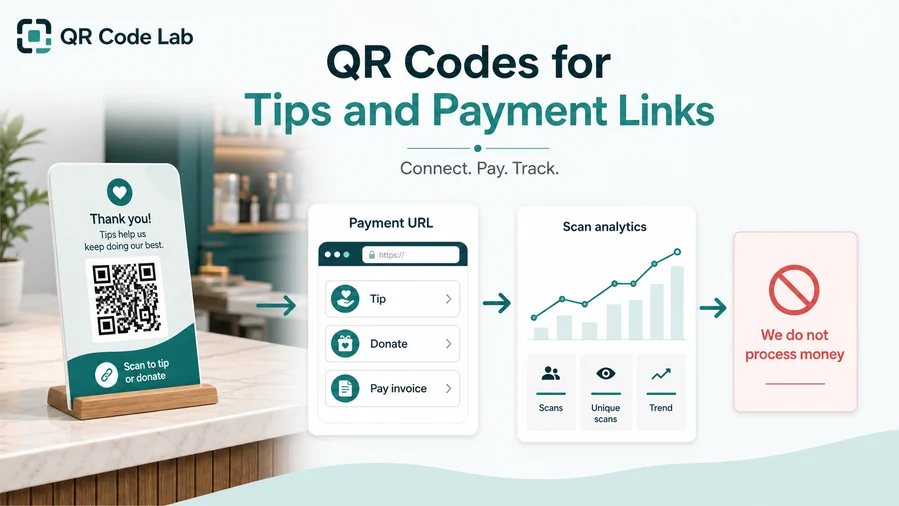
TipsQR Code Lab can open a trusted tip, deposit, invoice, or payment page. The payment provider handles processing, receipts, refunds, disputes, and confirmation.
Make tipping easy without interrupting the party
Use a QR on booth signs, table cards, or follow-up materials so guests can open the tip page when they choose.
Open booking deposits or balances carefully
For private events, label whether the QR opens a deposit, invoice, balance, or booking payment page before the scan.
Keep payment links editable by event
Dynamic QR helps when tip pools, provider links, event deposits, or invoice destinations change.
A scan is not a completed tip or payment
Scan analytics can show that someone opened a link, but only the payment provider can confirm money movement.
Use the provider as the source of truth for tips, deposits, receipts, refunds, and disputes.Keep DJ payment QR codes clear and voluntary
Use QR to reduce friction, while payment confirmation stays with the payment provider.
Event placement
Place DJ QR codes where the guest action fits the energy of the room
PlacementA DJ QR code works best when it supports the event flow instead of fighting it: song request at the booth, booking on a card, tips near the performance, reviews after the event.
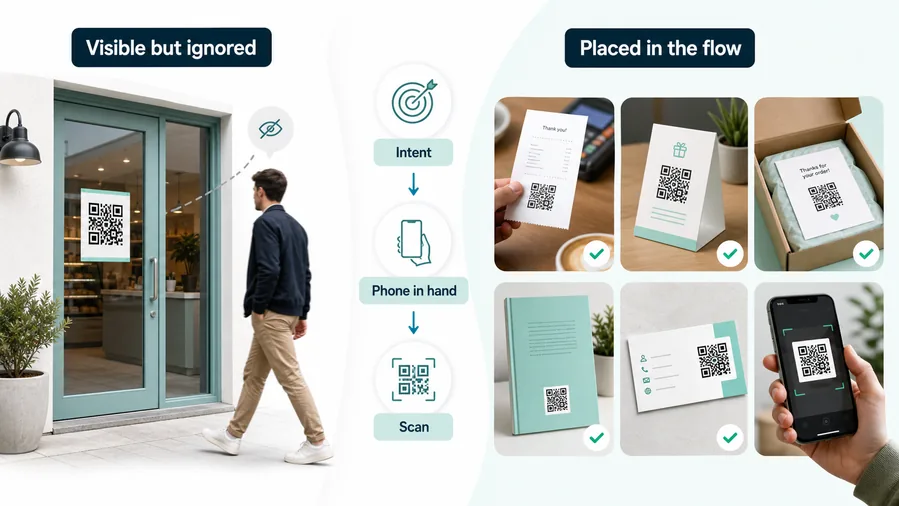
One mystery code tries to do everything
A single QR near the booth can confuse guests if it might open song requests, tips, booking, reviews, or socials.
Event energy moves fast, so the code needs a clear promise.
Each QR matches one guest or host action
Use separate destinations for request songs, tip the DJ, book an event, follow the mix, or leave a review.
The CTA and first screen should match immediately.
What is the guest trying to do?
Request a song, tip, follow, share, review, or get booking details.
Is this the right event moment?
Song requests belong during the event; reviews and testimonials usually fit after the event.
Can people scan comfortably?
Booth signs and table cards need enough size, lighting, and contrast for quick scanning.
Will this change by event?
Use dynamic QR for playlists, request forms, event rules, tip links, and booking offers.
DJ booth sign
Open request form, tip page, follow link, or approved event playlist.
Table card
Use for song requests, event hashtag, photo gallery, and guest instructions.
Business card
Route to booking packages, videos, calendar, reviews, and contact.
Wedding program
Link to request rules, couple-approved playlist, timeline, and photo sharing.
Bar or merch table
Open tips, socials, mixes, booking, and event follow-up.
After-event email card
Ask for reviews, testimonials, referrals, and future booking inquiries.
Festival poster
Send fans to set times, artist profile, playlist, and social follow.
Private event invoice
Open deposit, balance, contract, or event details through trusted systems.
DJ QR placement should keep the party moving
Use QR codes for clear guest and host actions without making people guess what opens.
Event scan signals
Use scan data to compare DJ requests, tips, booking cards, and event materials
AnalyticsTracking helps when separate QR codes show which events, signs, cards, request forms, playlists, and booking materials create action.
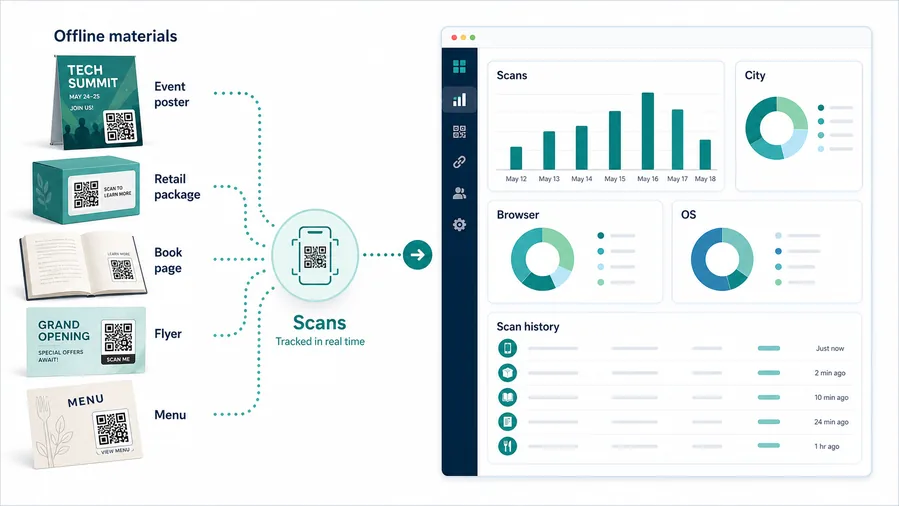
All DJ scans become one total
A single QR cannot show whether scans came from song requests, tip signs, business cards, table cards, or after-event review asks.
That makes event follow-up and marketing harder to interpret.
Each DJ placement becomes a signal
Use separate dynamic QR codes for song requests, tips, booking leads, playlists, and reviews when comparison matters.
Scan data is not payment proof or booking attribution, but it helps compare interest.
Scan volume
Compare scans from booth signs, table cards, business cards, programs, and follow-up notes.
Timing
See whether scans happen during the event, after the set, or when materials go home.
Device and browser
Check whether request forms, playlists, tip links, and booking pages work well on guest phones.
Broad location
Use approximate signals for venues, event types, cities, and local campaigns.
Song request flow
Measure which signs and table cards drive usable requests.
Tip placement
Compare booth signs, cards, and follow-up materials while confirming tips in the provider.
Booking leads
Track business cards, venue referrals, wedding programs, and event posters.
Review follow-up
Compare after-event cards, emails, and host materials.
Name DJ QR codes by event, placement, and action
Tracking works when code names match the real booth sign, table card, request form, or booking material.
Party flow
Use different QR codes for guests, clients, and future bookings
Use DJ QR codes on table cards, booth signs, wedding programs, business cards, event flyers, speaker signs, tip cards, review request cards, and package sheets. The CTA should say request a song, open playlist, book the DJ, tip the DJ, watch mixes, see packages, or leave review. A song request code should not feel like the same thing as a booking code.
Dynamic QR codes help when song request forms, playlists, event pages, booking links, and review pages change. Separate codes for guest tables, planner packets, booth signs, and post-event cards can show which placements create interaction. QR Code Lab analytics can show scan activity, while song requests, payments, bookings, and reviews remain in the external tools you choose. Test signs in event lighting and make the code large enough for a crowded room.
For weddings, use polite labels. Guests should know if the scan sends a song request, opens a playlist, or leads to a tip page. For corporate events, separate booking links from guest interaction links so the sign supports the right audience.
Event feedback
Ask for DJ reviews and testimonials after the event has delivered
ReviewsDJ review QR codes should respect timing: guests and hosts are more likely to respond after the set, party, wedding, or event experience is complete.
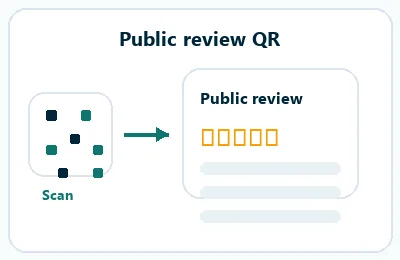
Send happy hosts to the right review page
Use follow-up cards, invoices, thank-you notes, and post-event messages when the host has experienced the full event.
Weddings, private parties, corporate events, school dances, and club bookings. Do not mix review asks with required payment or event logistics.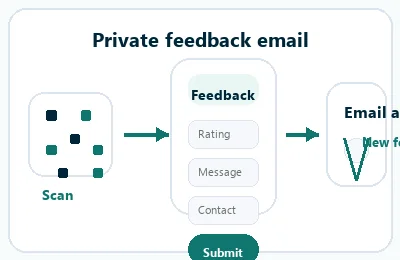
Give event concerns a direct route
Use a private feedback form for sound, timing, song requests, setup, communication, or planning issues the DJ should handle directly.
After-event follow-up, host packets, and vendor communication. Keep feedback separate from public review pressure.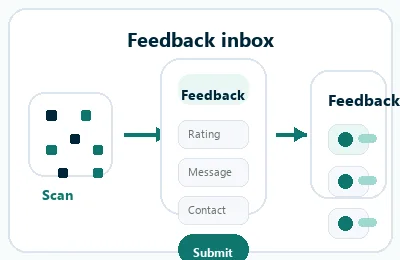
Make warm referrals easy after a great party
A QR can open booking packages, testimonial prompts, video samples, referral offers, or availability for future events.
Thank-you cards, business cards, venue partner materials, and event follow-up. Make it clear whether the scan opens booking, testimonial, referral, or social follow.DJ feedback QR codes should feel earned
Use review and referral QR codes when the event has created value and the next action is clear.