LinkedIn Profile QR Code - Profile, Bio & Contact Links
Create a LinkedIn profile QR code linking your professional profile, resume page, portfolio, booking page, contact page, or personal website. Ready for print and digital use.
Free QR code generator
Create a QR code online
Generate QR codes for websites, email, phone numbers, vCards, Wi-Fi, plain text, forms, PDF files, and campaign links. Customize colors, add a logo or frame, then download a print-ready PNG or SVG.
Choose QR code type
Website QR code, Email QR code, Phone QR code, vCard QR code, Wi-Fi QR code, Text QR code, SMS, WhatsApp, event, and download links.
Add your content
Enter your website URL, contact details, message, phone number, location, or file destination before generating the QR code.
Customize and download
Adjust QR colors, error correction, logo, frame, size, and margin. Generate QR Code, Download PNG, Download SVG, or Save and track scans.
Related QR code generators
Professional handoff
Use a LinkedIn profile QR code when the scan should continue a real introduction
A LinkedIn profile QR code sends scanners to a professional profile or related destination such as a resume page, portfolio, booking page, contact page, or personal website. It is useful for professionals, job seekers, consultants, speakers, founders, freelancers, recruiters, students, and salespeople who meet people through business cards, badges, resumes, decks, events, interviews, or networking materials.
A profile QR should answer a practical question: how does this person remember me, verify my work, connect after the event, review my resume, or book a follow-up? Business cards, speaker slides, conference badges, proposals, and leave-behinds work because the scan continues a conversation that already started. Without that context, it is just another link.
QR Code Lab creates a URL QR code for the destination you provide. It does not post to LinkedIn, manage accounts, collect leads, change visibility settings, send messages, or operate the platform. Your profile visibility and LinkedIn login behavior still control what the scanner sees after opening the link on mobile devices later.
LinkedIn profile moments
Use a LinkedIn profile QR code when the scan should continue a professional introduction
Profile QRA LinkedIn profile QR should move people from a business card, badge, slide, resume, portfolio, booth, or meeting handout to the right professional identity.
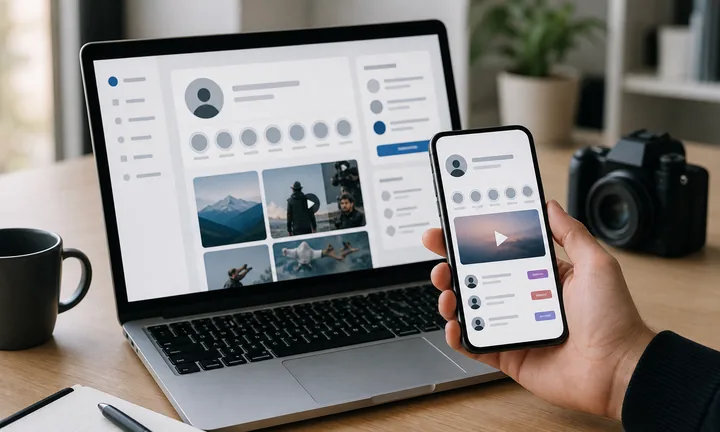
Make networking follow-up immediate
Use LinkedIn profile QR codes on badges, business cards, resumes, speaker slides, consulting one-pagers, portfolio sheets, recruiting materials, and conference handouts.
The CTA should say connect on LinkedIn, view profile, or follow my updates.
Show why this profile matters before the app opens
The printed context should explain the person’s role, expertise, hiring fit, portfolio, speaker topic, sales relationship, or advisory value.
A profile link should continue the introduction, not replace it.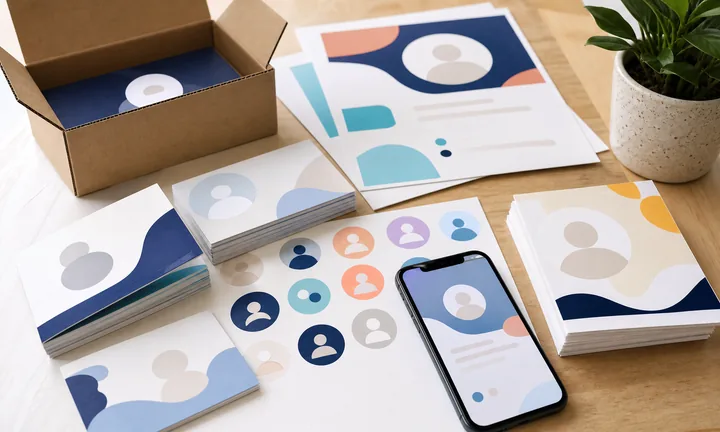
Keep printed networking materials flexible
Dynamic QR helps when a profile URL, job title, portfolio, booking link, resume, featured post, or contact path changes after cards and badges are printed.
Professional identities evolve.A LinkedIn profile QR should make the next professional step obvious
The scanner may be a recruiter, prospect, partner, attendee, student, or client. The destination should help them remember who they met and why to connect.
Use profile QR for people; use company page QR when the professional proof belongs to the organization.Personal identity
Open the right professional profile, resume context, speaker bio, portfolio, or advisory background.
Connection intent
Explain why someone should connect, follow, recruit, book, contact, or review expertise.
Career context
Pair LinkedIn with resume, portfolio, booking, company, event, or featured-post paths when helpful.
Dynamic control
Use dynamic QR when role, profile, resume, portfolio, or contact destinations may change.
Profile scan UX
Make the LinkedIn profile scan continue the introduction
Scan UXA LinkedIn profile QR should help someone remember the person, role, expertise, and reason to connect.
Use direct profile links for warm networking moments
Connect, profile, resume, speakerA direct profile works when the scanner already understands who the person is and why they may want to connect.
The printed CTA should make the professional promise explicit.
Use a landing page when one profile needs several follow-up paths
Profile, resume, booking, portfolioA short page can place LinkedIn beside resume, portfolio, booking, contact, company page, or featured work.
This is stronger when the scanner may need more than one next action.
Use dynamic routing when professional campaigns change
New post, role change, event, jobs, lead formLinkedIn destinations can change after cards, decks, signs, and handouts are printed.
Dynamic QR lets the same printed code route to the current profile, company page, post, event, hiring page, or fallback destination.
Does the destination match the printed business promise?
Confirm the profile, title, expertise, and connect reason match the card, badge, resume, or slide.
Is LinkedIn login friction acceptable?
Use a landing page or fallback when scanners may need website, resume, jobs, booking, or lead form access outside LinkedIn.
Will the professional destination change?
Use dynamic QR when posts, job roles, campaigns, event pages, hiring links, or profile destinations may change.
The profile scan should make follow-up easier
Choose the destination that best continues the conversation started by the printed material.
Professional placement
Place LinkedIn profile QR codes where a professional introduction is happening
PlacementA profile QR works best on materials where someone is evaluating a person: badge, business card, resume, speaker slide, portfolio sheet, consulting one-pager, or recruiting handout.
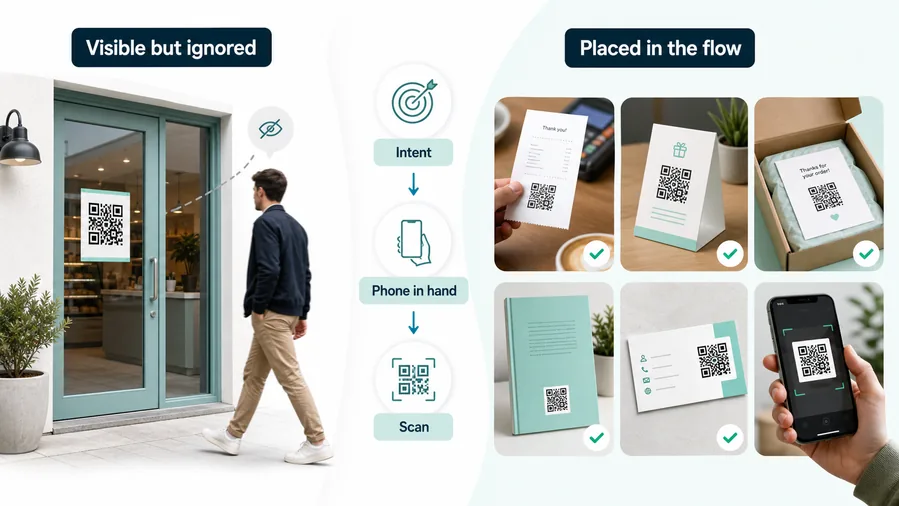
A LinkedIn icon alone does not explain the professional value
A QR code can be visible but still vague if people do not know whether it opens a person, company, post, event, or hiring page.
The printed context should make the next professional action obvious.
Put the QR where professional evaluation is already happening
Use the code near the person, claim, company proof, job opportunity, event follow-up, or business offer it supports.
The CTA should name the action: connect, view profile, follow company, read post, apply, or book a meeting.
Who is scanning?
Recruiter, candidate, buyer, partner, investor, attendee, client, journalist, student, or peer.
What decision are they making?
Connect, hire, follow, contact sales, apply, evaluate credibility, read the update, or continue event follow-up.
What LinkedIn destination fits?
Profile for a person, company page for brand proof, post for one update, event for registration or recap.
Is a fallback useful?
Use a landing page when LinkedIn should sit beside resume, portfolio, website, booking, lead form, or jobs.
Conference badge
Open a profile, speaker bio, company page, or event follow-up after a live introduction.
Business card
Let contacts remember the person, role, company, and reason to connect.
Proposal deck
Support claims with company proof, thought-leadership posts, team profiles, or case-study updates.
Recruiting flyer
Route candidates to profile, company page, jobs, culture posts, or hiring campaign.
Trade show booth
Open company page, launch post, event recap, lead form, or sales follow-up.
Speaker slide
Send attendees to profile, featured post, newsletter, booking, or event resources.
Portfolio sheet
Pair professional identity with work samples, case studies, contact, or profile proof.
Investor material
Support credibility with company page, leadership profiles, updates, hiring, and public activity.
LinkedIn QR placement should support the next professional decision
Use the QR where it helps someone evaluate, remember, connect, apply, follow, or continue the business conversation.
Networking context
Put the QR code where the person has a reason to save or review you
Business cards, resumes, portfolios, speaker slides, conference badges, booth cards, proposals, leave-behinds, workshop handouts, and interview packets can all work when the QR code supports a real introduction. The printed CTA should be simple: connect on LinkedIn, view profile, see resume, book a call, view portfolio, or follow my work.
Decide whether LinkedIn alone is enough. For a networking card, it may be perfect. For hiring, a resume page or portfolio might be clearer. For consultants and speakers, a booking page or microlanding page with several contact options may work better. QR Code Lab can point the code to whichever URL fits the moment.
Use dynamic QR codes if you may change from LinkedIn to a portfolio, resume, booking page, or profile hub later. Tracking can also show which networking materials are actually scanned after events. LinkedIn remains responsible for connections, messages, profile visibility, and account behavior.
For a resume or speaker card, keep the printed label simple and human: connect with me, view my work, see my background, or book a follow-up. The QR code should support the conversation, not replace it.