LinkedIn Post QR Code - Post, Campaign & Update Links
Create a LinkedIn post QR code linking public posts, announcements, hiring posts, event updates, product launches, articles, and campaign updates. Ready for print and digital use.
Free QR code generator
Create a QR code online
Generate QR codes for websites, email, phone numbers, vCards, Wi-Fi, plain text, forms, PDF files, and campaign links. Customize colors, add a logo or frame, then download a print-ready PNG or SVG.
Choose QR code type
Website QR code, Email QR code, Phone QR code, vCard QR code, Wi-Fi QR code, Text QR code, SMS, WhatsApp, event, and download links.
Add your content
Enter your website URL, contact details, message, phone number, location, or file destination before generating the QR code.
Customize and download
Adjust QR colors, error correction, logo, frame, size, and margin. Generate QR Code, Download PNG, Download SVG, or Save and track scans.
Related QR code generators
Professional post link
Send scanners to the exact LinkedIn post that supports the business moment
A LinkedIn post QR code links scanners to a public post, announcement, hiring post, event update, product launch, article, thought leadership note, or campaign update. It is useful for B2B teams, recruiters, founders, event speakers, creators, marketers, product teams, consultants, and agencies who want printed or in-person materials to continue into one specific professional update.
Use a post QR when the printed asset needs one precise follow-up. A recruiting flyer can open a hiring announcement. A booth card can open a product launch post. A speaker slide can open an article. A conference sign can open an event recap. A sales sheet can open a public proof point or customer story. This is stronger than sending scanners to a general company page when one post carries the message.
QR Code Lab creates the URL QR code only. It does not post to LinkedIn, manage accounts, collect leads, change visibility settings, send messages, or operate LinkedIn. If the post is private, removed, restricted, or only visible to some users, the scanner may not see what you expect.
LinkedIn post moments
Use a LinkedIn post QR code when the scan should open one professional update
Post QRA LinkedIn post QR should connect print to a specific professional proof point: announcement, hiring post, event recap, product launch, case study, thought-leadership update, or company news.
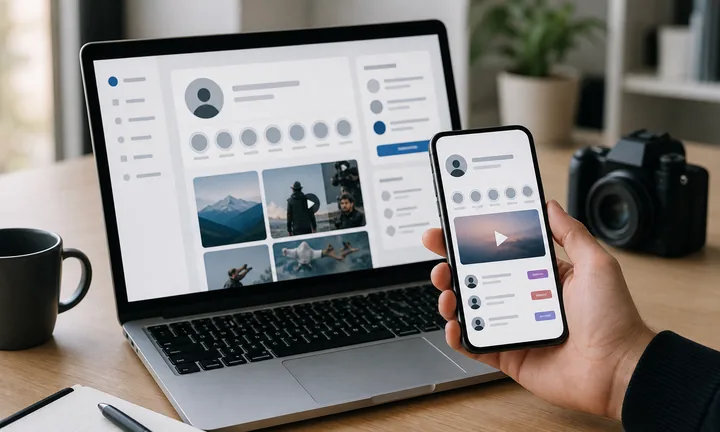
Send scanners to the exact update behind the printed claim
Use LinkedIn post QR codes on conference handouts, sales sheets, recruiting flyers, proposal decks, office signs, launch cards, and event materials when one post carries the context.
The CTA should say read the update, see the announcement, view the recap, or open the hiring post.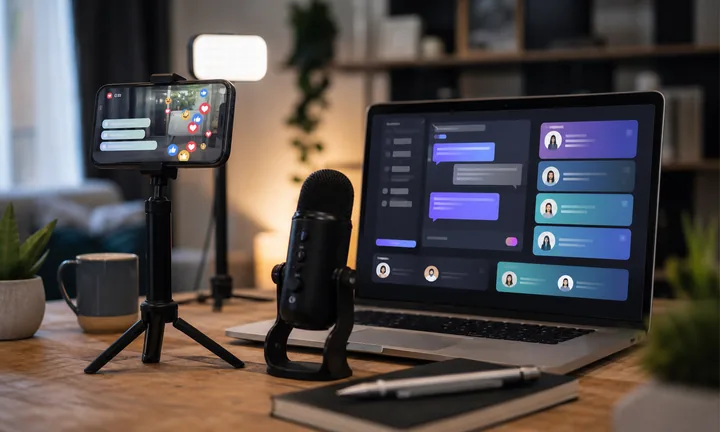
Avoid making people search a company or profile feed
A post QR is strongest when the printed material references one exact update and the scanner should not scroll through LinkedIn to find it.
Specific posts support specific conversations.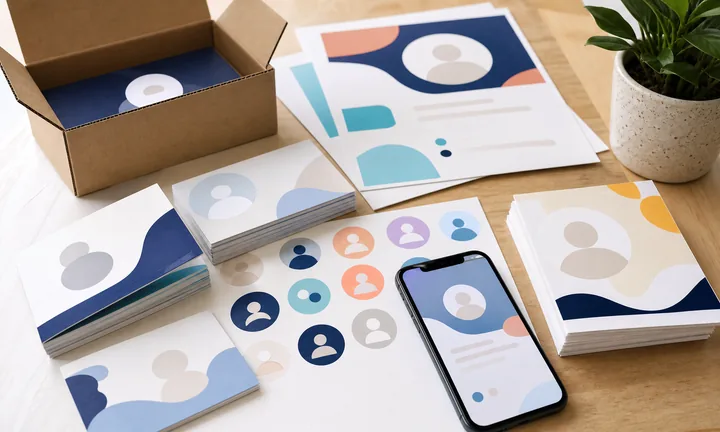
Keep campaign posts editable after print
Dynamic QR helps when a post ages out, an event moves from promotion to recap, a hiring push closes, or the campaign should route to a newer update later.
Professional campaigns shift after materials are printed.A LinkedIn post QR should preserve professional context
The scanner saw a business claim in print. The QR should open the post that proves, explains, or continues that claim without making them hunt through a feed.
Use post QR for one update; use profile or company QR for broader professional discovery.Exact update
Open one announcement, hiring post, event recap, launch update, case study, or thought-leadership post.
Professional proof
Support a sales, recruiting, partnership, press, or event conversation with the matching public update.
Campaign freshness
Use dynamic QR when the promoted post may be replaced by a newer follow-up.
Placement reporting
Use separate QR codes for booths, handouts, decks, recruiting materials, partners, and campaigns.
Post scan UX
Make the LinkedIn post scan open the exact professional update
Scan UXA LinkedIn post QR should support one business claim or campaign, not drop scanners into a broad feed.
Use direct post links for one current update
Announcement, hiring, event recap, launchA direct post works when the printed material promotes one specific update and the post is still the right destination.
The printed CTA should make the professional promise explicit.
Use a landing page when LinkedIn is one part of the follow-up
LinkedIn, website, lead form, jobs, eventA landing page can connect LinkedIn to website, lead form, jobs, event recap, case study, or campaign page.
This is stronger when the scanner may need more than one next action.
Use dynamic routing when professional campaigns change
New post, role change, event, jobs, lead formLinkedIn destinations can change after cards, decks, signs, and handouts are printed.
Dynamic QR lets the same printed code route to the current profile, company page, post, event, hiring page, or fallback destination.
Does the destination match the printed business promise?
Confirm the QR opens the exact post referenced by the handout, booth, recruiting flyer, or proposal.
Is LinkedIn login friction acceptable?
Use a landing page or fallback when scanners may need website, resume, jobs, booking, or lead form access outside LinkedIn.
Will the professional destination change?
Use dynamic QR when posts, job roles, campaigns, event pages, hiring links, or profile destinations may change.
The post scan should prove the specific claim
Choose the destination that best continues the conversation started by the printed material.
Professional placement
Place LinkedIn post QR codes beside the claim or update they prove
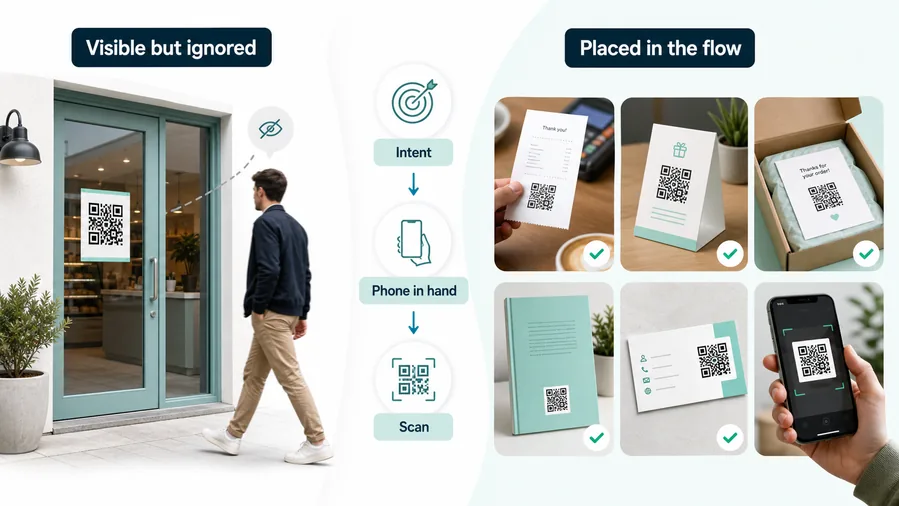
PlacementA LinkedIn post QR belongs near the printed announcement, hiring claim, event recap, product launch, case study, or thought-leadership prompt it opens.
A LinkedIn icon alone does not explain the professional value
A QR code can be visible but still vague if people do not know whether it opens a person, company, post, event, or hiring page.
The printed context should make the next professional action obvious.
Put the QR where professional evaluation is already happening
Use the code near the person, claim, company proof, job opportunity, event follow-up, or business offer it supports.
The CTA should name the action: connect, view profile, follow company, read post, apply, or book a meeting.
Who is scanning?
Recruiter, candidate, buyer, partner, investor, attendee, client, journalist, student, or peer.
What decision are they making?
Connect, hire, follow, contact sales, apply, evaluate credibility, read the update, or continue event follow-up.
What LinkedIn destination fits?
Profile for a person, company page for brand proof, post for one update, event for registration or recap.
Is a fallback useful?
Use a landing page when LinkedIn should sit beside resume, portfolio, website, booking, lead form, or jobs.
Conference badge
Open a profile, speaker bio, company page, or event follow-up after a live introduction.
Business card
Let contacts remember the person, role, company, and reason to connect.
Proposal deck
Support claims with company proof, thought-leadership posts, team profiles, or case-study updates.
Recruiting flyer
Route candidates to profile, company page, jobs, culture posts, or hiring campaign.
Trade show booth
Open company page, launch post, event recap, lead form, or sales follow-up.
Speaker slide
Send attendees to profile, featured post, newsletter, booking, or event resources.
Portfolio sheet
Pair professional identity with work samples, case studies, contact, or profile proof.
Investor material
Support credibility with company page, leadership profiles, updates, hiring, and public activity.
LinkedIn QR placement should support the next professional decision
Use the QR where it helps someone evaluate, remember, connect, apply, follow, or continue the business conversation.
Campaign shelf life
Protect printed LinkedIn post links from becoming stale
LinkedIn posts are often timely. A campaign update, hiring post, event announcement, product launch, company milestone, or article may be perfect this week and outdated later. If the QR code is printed on sales sheets, badges, posters, brochures, booth signage, conference materials, or recruiting cards, dynamic QR gives you room to update the final destination.
Use separate trackable QR codes for different placements when you need measurement. A QR on a speaker slide, booth wall, handout, recruiting card, and one-pager can produce very different scan behavior. QR Code Lab can show which printed touchpoints created interest, while LinkedIn handles reactions, comments, reposts, and post analytics after arrival.
Keep the CTA concrete. Say read the announcement, view hiring post, open article, see launch update, or read event recap. If the post becomes outdated, redirect the dynamic QR to a newer post, company page, archive page, or landing page so printed materials keep helping instead of confusing people.
This is especially useful for conferences and hiring events, where the printed asset may circulate after the original post has stopped being the best entry point.