Facebook Group QR Code - Group Invites, Chats & Community Links
Create a Facebook group QR code linking public groups, private group join pages, community rules, event groups, member resources, and announcements. Ready for print and digital use.
Free QR code generator
Create a QR code online
Generate QR codes for websites, email, phone numbers, vCards, Wi-Fi, plain text, forms, PDF files, and campaign links. Customize colors, add a logo or frame, then download a print-ready PNG or SVG.
Choose QR code type
Website QR code, Email QR code, Phone QR code, vCard QR code, Wi-Fi QR code, Text QR code, SMS, WhatsApp, event, and download links.
Add your content
Enter your website URL, contact details, message, phone number, location, or file destination before generating the QR code.
Customize and download
Adjust QR colors, error correction, logo, frame, size, and margin. Generate QR Code, Download PNG, Download SVG, or Save and track scans.
Related QR code generators
Community join path
Use a Facebook group QR code when the scanner should join a specific community
A Facebook group QR code sends scanners to a public group, private group join page, rules page, member resource, event group, announcement thread, or community hub. It is useful for community managers, clubs, churches, local groups, event organizers, educators, stores, teams, and creators who want a printed or in-person touchpoint to continue into a Facebook community.
The QR code should appear beside the reason to join. A church bulletin can invite people into a volunteer group. A store poster can open a local customer group. A class handout can open a parent or student group. An event sign can open a group for updates. If the group is private or moderated, people may need a short explanation before requesting access.
QR Code Lab creates the URL QR code only. It does not create Facebook groups, approve members, manage accounts, collect leads, bypass privacy settings, post content, or operate Facebook. If the group is private, the scanner will still follow Facebook permissions, login, questions, and moderation rules.
Facebook group join moments
Use a Facebook Group QR code when the scan should bring people into a focused community
Group QRA Facebook Group QR should help people join the right group from flyers, packaging, class materials, event signs, local business cards, creator merch, or support handouts with enough context to understand the community.
Turn offline interest into group membership
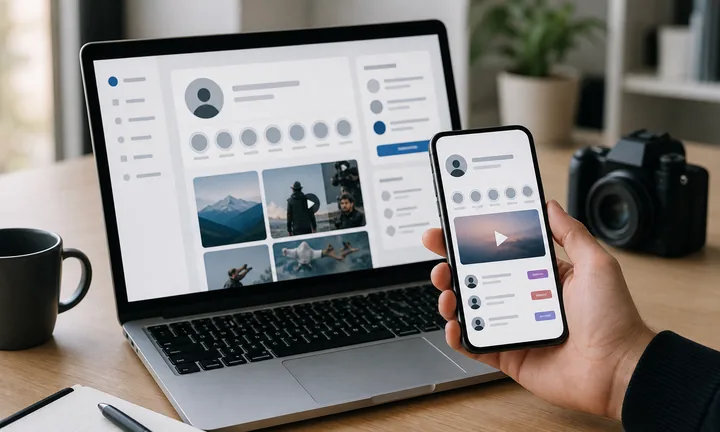
Use Facebook Group QR codes after a class, local event, product purchase, workshop, service visit, creator interaction, or community meetup when people have a reason to keep participating.
The CTA should say join the group and explain the benefit.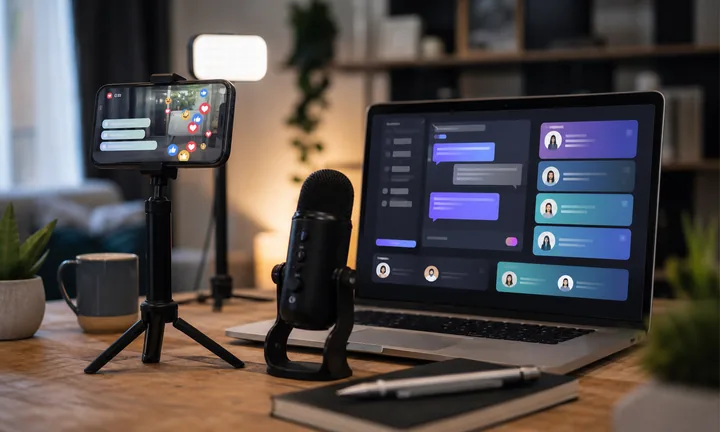
Explain who the group is for before the handoff
A group join destination should clarify topic, audience, rules, approval questions, posting expectations, privacy level, and what new members should do first.
Better context improves member quality.
Keep community campaigns editable
Dynamic QR helps when group URLs, onboarding posts, rules, admin notes, campaign pages, or alternative community links change after printed materials are distributed.
Community links need upkeep, especially in public print.A Facebook Group QR should create prepared members, not random clicks
The scanner should know why the group exists, whether it is public or private, and what kind of participation is expected before Facebook opens.
Use separate QR codes for events, stores, classes, product communities, local chapters, or campaigns when membership sources matter.Join context
Open the right Facebook Group with a clear promise, audience, and first member action.
Rules and privacy
Explain posting expectations, approval questions, moderation, and group visibility before people join.
Member onboarding
Point new members to pinned posts, guides, events, announcements, support, or first discussion prompts.
Campaign control
Use dynamic QR when group links, onboarding, or campaign destinations may change after print.
Group join UX
Make the Facebook Group scan explain why joining is worth it
Scan UXA group QR should not rely on the Facebook name alone. It should set expectations about the community, privacy, rules, and next member action before the app opens.
Use direct group links for warm audiences
Class, event, local group, creator communityA direct Facebook Group link works when the printed material already explains the group and the scanner expects to join.
The CTA should name the community and the benefit, not just say scan for Facebook.
Use a welcome page when the group needs context
Rules, privacy, approval, pinned postA short landing page can explain who the group is for, what members get, whether approval is required, and what happens after joining.
This is stronger for public flyers, packaging, events, classes, and unfamiliar audiences.
Use dynamic routing when community links may change
New group, campaign, chapter, event, supportGroup URLs, onboarding posts, rules, and campaign destinations can change after print.
Dynamic QR lets the printed code keep working while the community path stays current.
Does the scanner know what group they are joining?
Name the group topic, audience, and benefit before Facebook opens.
Are rules and privacy expectations clear?
Explain whether the group is public or private, whether approval is required, and what kind of posts belong there.
Will the group link stay stable?
Use dynamic QR when campaign groups, local chapters, event communities, or onboarding posts may change.
The group scan should improve member quality
Use the route that helps interested people join the right group with the right expectations.
Group placement
Place Facebook Group QR codes where people already want ongoing connection
PlacementA group QR works best after a real shared moment: class, event, purchase, service visit, meetup, workshop, creator interaction, local campaign, or support conversation.
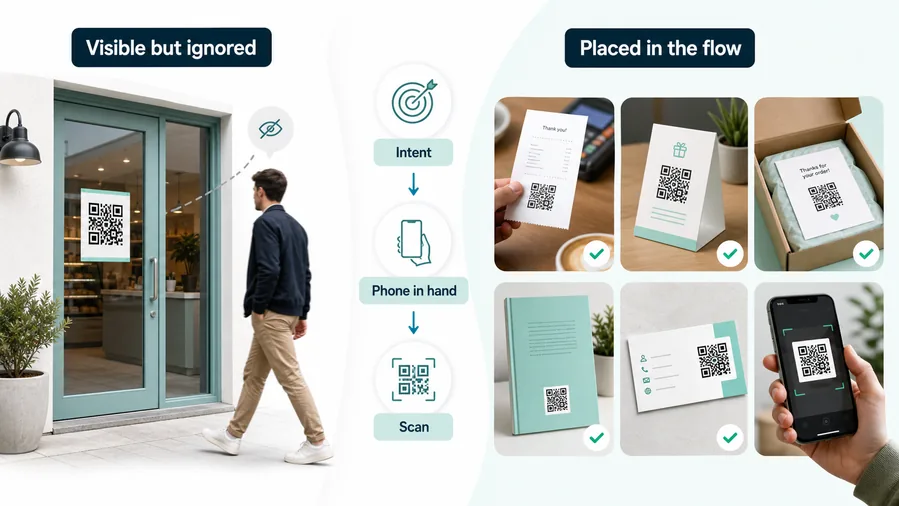
A Facebook icon does not create community intent
A visible QR code can still underperform if people do not know what the group is for or why joining helps them.
The placement should connect the group to a benefit that is already present in the moment.
Put the QR after the shared interest is clear
Use the code where people have just learned, bought, attended, participated, or asked for help.
The CTA should explain the community promise: get updates, ask questions, share progress, join members, or continue the event.
What shared interest just happened?
A class, event, purchase, service, campaign, hobby, creator moment, support issue, or local activity.
What should members do first?
Read rules, answer join questions, introduce themselves, claim resources, join an event, or ask for support.
Is privacy clear?
Tell people whether the group is public, private, moderated, approval-based, or tied to a customer/member program.
Is the group benefit specific?
Use CTA copy such as join our buyer group, get class updates, ask support, or continue the workshop.
Event flyer
Turn attendees into community members for updates, discussion, photos, recordings, and follow-up.
Class handout
Invite students or parents into a moderated group for resources, reminders, and discussion.
Packaging insert
Send buyers to product tips, support, user stories, launches, and community help.
Local poster
Route neighbors, volunteers, members, or customers into a local group with clear purpose.
Receipt or counter card
Invite customers to deals, announcements, feedback, events, or loyalty community.
Workshop material
Keep participants connected with resources, questions, peer posts, and future sessions.
Creator merch
Bring fans into a moderated community with updates, drops, discussions, and events.
Support card
Direct customers to a group where common questions, guides, and admin support are available.
Facebook Group QR placement should follow real community value
The scan should feel like the natural next step after shared interest, not a generic social follow request.
Join intent
Place the QR code where people already understand why the group exists
A group QR code performs better when it appears beside a clear invitation: event signage, classroom materials, club flyers, church bulletins, local store posters, member cards, product inserts, or community announcements. A code on a generic wall sign may be noticed, but a code beside a real reason to join is much easier to act on.
For private or moderated groups, consider sending people to a welcome or rules page first. That page can explain who the group is for, what members get, what rules apply, and what happens after they request access. This makes the scan feel safer and reduces confusion for people who are not already familiar with the community.
If the group link, rules page, event focus, or campaign changes, use a dynamic QR code so printed material does not become stale. QR Code Lab can update the destination and show which offline placements bring people toward the group, from flyers to event signs. Facebook still handles membership, privacy, posts, comments, and moderation.