
Scan QR Code From Image - Upload, Decode & Preview
Upload, drag, paste, or photograph a QR image to decode URLs, Wi-Fi, email, phone, SMS, vCard, and text content online. Preview the result before copying or opening anything.
Image QR decoding
Upload a QR image and see what the code contains before using it
Scanning a QR code from an image is useful when the code is not physically in front of you. You may have a saved photo, a downloaded graphic, a design proof, a printed asset preview, or a QR image sent by someone else. QR Code Lab can decode URLs, Wi-Fi, email, phone, SMS, vCard, and text content from an uploaded, pasted, dragged, or photographed image.
This helps in two common situations. First, it lets you recover or review the content of a QR code without using a phone camera. Second, it helps you check a QR image before placing it into a flyer, book, label, poster, or web page. If the code contains a URL, QR Code Lab can also help inspect the destination and basic risk signals.
QR Code Lab reads the QR image and shows the decoded content. It does not control third-party pages, guarantee future destination safety, or fix a damaged image that has too little readable data. A clear, high-contrast image gives the best result.
Image safety
Check the decoded image QR before trusting the link
SafetyA QR inside an uploaded image can point to a normal resource, a stale campaign, or a risky page. Decode first, then judge the destination before acting.
Image files can hide stale or wrong destinations
A QR copied from an old design, product photo, PDF, or attachment may no longer match the campaign, label, or document it came from.
The source of the image matters as much as the QR pattern.
Short links and redirects can hide the final page
A decoded QR may show a short URL or managed redirect. That can be normal, but the final domain should still match the expected brand and action.
Trace redirects before payment, login, download, or private-data entry.
Sensitive actions need extra verification
Treat payment pages, account login, wallet approvals, delivery claims, parking fees, invoices, files, and recovery forms as higher-risk until the destination is clear.
Use the official app or typed website when the QR source feels uncertain.Inspect the uploaded QR before opening it
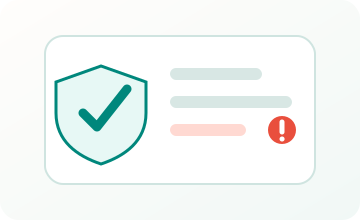
Review the decoded content, final domain, redirect behavior, source context, and requested action before deciding whether to open the destination.
A decoder can reveal the QR value, but it cannot guarantee that every destination is safe.Decoded content
Read the raw QR value before opening it in a browser or app.
Source context
Compare the value with the file source, design proof, label, document, or campaign where the image came from.
Final domain
Check whether redirects end at a domain that matches the expected organization or purpose.
Requested action
Be cautious when the destination asks for money, credentials, downloads, wallet approval, or personal information.
Make QR image assets easier to verify before publishing
When QR codes appear in images, proofs, catalogs, and product files, keep source labels, expected actions, and final destinations easy to audit.
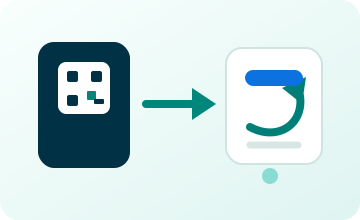
Image decode flow
Turn an uploaded QR image into a destination you can actually review
Scan UXAn image scanner should move from uploaded file to decoded value to destination check before the user trusts the link or republishes the QR asset.
Start with the image source
Photo, PDF export, design proof, product image, attachmentNote where the image came from before decoding: a design file, product photo, PDF, message attachment, or old campaign asset changes the QA context.
The same QR value can be harmless in one context and suspicious in another.
Read the QR payload before opening it
URL, text, Wi-Fi, vCard, email, SMSThe decoder should reveal the raw value so you can see whether the QR contains a direct URL, short link, managed redirect, plain text, contact data, or another action.
If the value is a URL, review the domain and redirect path before continuing.
Compare the destination with the image purpose
Open, verify, replace, reportA QR from a proof, label, campaign image, or product file should open the destination the asset claims to represent.
For sensitive actions, use an official app, typed URL, or trusted support route when the decoded destination does not make sense.
Does the URL match the image source?
Compare the decoded value with the design file, product image, PDF, or campaign source.
Does the first screen match the expected action?
The destination should make sense before payment, login, download, contact save, Wi-Fi join, or form submission.
Is there a safer way to verify?
Use the official app, typed website, known support channel, or original file when the QR came from an uncertain source.
The decoded value is the start of the check, not the end
Use image decoding to reveal the QR content, then decide whether the destination fits the source and the action it asks for.
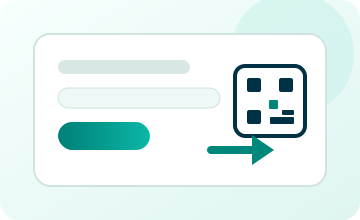
Upload and verify flow
Use image scanning before you publish, print, or trust a QR code
Useful cases include design proofs, screenshots, downloaded QR files, labels, posters, books, product packaging, invoices, payment stickers, and QR images received in chat or email. Decode the image first, then confirm that the content matches what the design or message promises. This catches wrong links before they become printed mistakes.
For creators and teams, image scanning is a simple quality check. You can confirm that the exported QR still points to the correct destination after resizing, compression, or layout changes. For personal use, it helps inspect a code before opening it on a phone, especially when the source is unfamiliar or the link may involve payment or login.
If the QR image is blurry, cropped, low contrast, or partly covered, try a clearer version. QR Code Lab can decode what is readable and show URL details, but it cannot make an unreadable image reliable for print. Always test the final printed size too. A code that decodes from a clean file may still fail after heavy compression, glare, or poor paper contrast.