
Scan QR Code From Screenshot - Decode and Check Links
Upload or paste a screenshot to decode a QR code, preview its content, identify the type, and inspect URL risk signals before opening. Use it for phone screenshots, chat images, and email captures.
Screenshot QR decoding
Paste or upload a screenshot to read the QR code inside it
Scanning a QR code from a screenshot is useful when the code appears in an email, app, website, video frame, PDF, presentation, chat, or saved phone image. Instead of pointing a camera at another screen, you can upload or paste the screenshot and let QR Code Lab decode the content directly.
This is helpful for both convenience and safety. A screenshot may contain a ticket, event link, Wi-Fi code, payment prompt, login page, or delivery notice. Decoding it first shows whether the QR contains a URL, text, vCard, email, phone number, SMS, or Wi-Fi data. If it contains a URL, you can inspect the destination before opening it.
QR Code Lab reads the QR code from the screenshot and shows the decoded result. It does not control the website behind a link or guarantee that a third-party destination will stay safe later. A clear screenshot with the full QR pattern visible gives the best chance of decoding. This is handy when the code appears on another device and scanning with a camera would be awkward.
Screenshot QR decoding
Screenshot QR decoding QR security and inspection teams with decoding, URL preview, redirect checks, risk signals, print testing, and scam inspection
Decode QRUse QR codes to move QR security and inspection teams from suspicious codes, screenshots, printed assets, parking or payment signs, and business materials to decoding, URL preview, redirect checks, risk signals, print testing, and scam inspection before people trust or publish the destination.
Decode QR codes from screenshots without rescanning another screen
Use this when someone sends a screenshot, when a QR appears inside an app, or when the code is saved from a receipt, email, PDF, ticket, portal, or social post.
The first job is to reveal what the QR contains before deciding what to open.
Review the destination before taking action
Screenshots can come from chats, ads, invoices, tickets, parking pages, and support messages. Compare the decoded URL with the app, sender, brand, and action shown in the screenshot.
Be extra careful when the QR leads to payment, login, wallet, download, or account recovery.
Use decoding for QA as well as safety
Screenshots are useful for checking old campaigns, support tickets, app screens, and customer reports when the original printed code is not available.
A decoded value is evidence; the final page still needs judgment.A screenshot scanner should make hidden QR content visible
The QR pattern in a screenshot is not readable text. Decoding lets you see the URL, text, Wi-Fi data, contact card, or other payload before acting on it.
Do not treat decoding as a safety guarantee; use it to make a better decision before opening anything sensitive.Uploaded image
Use screenshots from apps, messages, receipts, PDFs, tickets, and support conversations.
Decoded payload
Review the raw URL, text, contact data, Wi-Fi payload, or other value inside the QR code.
Context match
Compare the decoded destination with the source, sender, brand, document, or printed promise.
Risky actions
Pause before payment, login, wallet approval, file download, app install, or private-data entry.
Screenshot safety
Check the decoded screenshot QR before opening the destination
SafetyA QR inside a screenshot may come from a message, app, ad, invoice, ticket, or support thread. Decode first, then compare the destination with the source context.
Screenshots remove the physical context
A screenshot may crop away the sign, sender, amount, date, or brand that would explain the QR. The decoded value needs to be checked against the source.
The source of the image matters as much as the QR pattern.
Short links and redirects can hide the final page
A decoded QR may show a short URL or managed redirect. That can be normal, but the final domain should still match the expected brand and action.
Trace redirects before payment, login, download, or private-data entry.
Sensitive actions need extra verification
Treat payment pages, account login, wallet approvals, delivery claims, parking fees, invoices, files, and recovery forms as higher-risk until the destination is clear.
Use the official app or typed website when the QR source feels uncertain.Inspect the screenshot QR before continuing
Review the decoded content, final domain, redirect behavior, source context, and requested action before deciding whether to open the destination.
A decoder can reveal the QR value, but it cannot guarantee that every destination is safe.Decoded content
Read the raw QR value before opening it in a browser or app.
Source context
Compare the value with the app, sender, ticket, receipt, invoice, or message where the screenshot came from.
Final domain
Check whether redirects end at a domain that matches the expected organization or purpose.
Requested action
Be cautious when the destination asks for money, credentials, downloads, wallet approval, or personal information.
Make screenshot-shared QR codes easier to verify
When QR codes are likely to be shared as screenshots, the surrounding page should make brand, action, and destination expectations obvious.
Screenshot decode flow
Turn a QR screenshot into a destination you can actually review
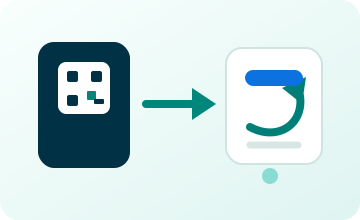
Scan UXA screenshot scanner should move from image to decoded value to context check before the user opens a destination that might request payment, login, download, or private data.
Start with the screenshot source
App screen, message, receipt, ticket, invoiceNote where the screenshot came from before decoding: a chat, app, email, receipt, ad, support thread, or ticket page changes the risk context.
The same QR value can be harmless in one context and suspicious in another.
Read the QR payload before opening it
URL, text, Wi-Fi, vCard, email, SMSThe decoder should reveal the raw value so you can see whether the QR contains a direct URL, short link, managed redirect, plain text, contact data, or another action.
If the value is a URL, review the domain and redirect path before continuing.
Compare the destination with the screenshot promise
Open, verify, replace, reportA QR from a ticket, invoice, support message, or payment prompt should open a destination that matches that exact promise and brand.
For sensitive actions, use an official app, typed URL, or trusted support route when the decoded destination does not make sense.
Does the URL match the screenshot context?
Compare the decoded value with the app, sender, document, or screen where the screenshot came from.
Does the first screen match the expected action?
The destination should make sense before payment, login, download, contact save, Wi-Fi join, or form submission.
Is there a safer way to verify?
Use the official app, typed website, known support channel, or original file when the QR came from an uncertain source.
The decoded value is the start of the check, not the end
Use image decoding to reveal the QR content, then decide whether the destination fits the source and the action it asks for.
Screenshot review flow
Check screenshot QR codes before you click through
Useful cases include QR codes in emails, tickets, PDFs, presentations, social posts, delivery messages, payment prompts, classroom files, and web pages. Upload the screenshot, check the decoded content, and compare the destination with the context. A QR code in a school email should match the school or trusted form. A payment QR should match the expected business.
For teams, screenshot scanning is useful during review. A designer, marketer, teacher, or event organizer can verify that a QR screenshot or proof still points to the intended page before publishing. If the screenshot shows a dynamic QR code, checking the final URL helps confirm the redirect path is still correct.
Keep privacy in mind. Do not upload screenshots that expose sensitive personal information unless you are comfortable processing that image. QR Code Lab can decode the QR content, but the safest workflow is still to crop around the code when possible and avoid sharing unnecessary private data. If the result contains a URL, inspect it before opening, especially for payment, login, or account pages.