Church QR Code Generator for Giving, Bulletins & Events
Create church QR codes for online giving, bulletins, sermon notes, event signup, prayer requests, volunteer forms, newsletters, livestreams, ministry outreach, and printed welcome materials.
Free QR code generator
Create a QR code online
Generate QR codes for websites, email, phone numbers, vCards, Wi-Fi, plain text, forms, PDF files, and campaign links. Customize colors, add a logo or frame, then download a print-ready PNG or SVG.
Choose QR code type
Website QR code, Email QR code, Phone QR code, vCard QR code, Wi-Fi QR code, Text QR code, SMS, WhatsApp, event, and download links.
Add your content
Enter your website URL, contact details, message, phone number, location, or file destination before generating the QR code.
Customize and download
Adjust QR colors, error correction, logo, frame, size, and margin. Generate QR Code, Download PNG, Download SVG, or Save and track scans.
Church visitor flow
Use church QR codes when a bulletin, sign, or slide should lead to one clear next step
A church QR code can point to online giving, digital bulletins, sermon notes, livestreams, event signup, prayer request forms, volunteer forms, newsletters, youth group updates, newcomer information, small group pages, or ministry resources. It is useful when people are already holding a bulletin, looking at a lobby sign, sitting in a pew, or deciding how to follow up after a service.
The best church QR codes are specific and respectful. A giving card should open the giving page. A sermon slide should open notes or a message guide. A lobby poster should open event signup. A newcomer card should open contact, next steps, or a short welcome page. One code should not try to do every ministry action at once unless it opens a clear landing page with simple choices.
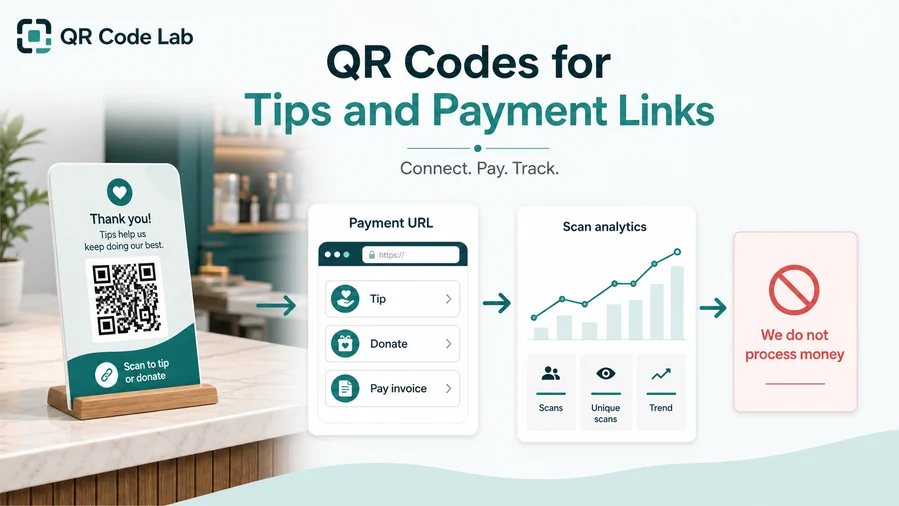
QR Code Lab creates QR codes that point to church URLs and services. It does not process donations, manage church members, host forms, send newsletters, run livestreams, or operate church management systems. The QR code is the bridge from the printed or in-person moment to the destination your church already uses.
For sensitive actions like giving or prayer requests, use calm copy that explains what happens after the scan before asking someone to open the page.
Congregation moments
Use church QR codes to connect bulletins, giving, events, and care
ChurchA church QR code should support a real ministry moment: online giving, visitor cards, sermon notes, event signup, prayer requests, volunteer forms, livestreams, small groups, or bulletin updates.

Put the QR beside the action people already understand
Use QR codes on bulletins, pew cards, welcome signs, event flyers, donation cards, children’s ministry handouts, and livestream materials so people can take the next step without typing a URL.
The printed caption should say give, connect, register, pray, volunteer, or watch.
Separate giving, connection, and event flows
A giving QR, visitor QR, prayer request QR, and event signup QR may need different privacy, follow-up, and confirmation behavior. Do not force every ministry action through one generic page.
Clear destinations help staff and visitors trust the scan.
Keep printed church materials current
Service times, registration forms, giving pages, sermon notes, and event details can change after bulletins or signs are printed. Dynamic destinations help older materials keep working.
Church print often circulates beyond one Sunday.Church QR codes should make the next ministry step easier
The destination should be calm, specific, and mobile-friendly. A visitor, member, donor, volunteer, parent, or livestream viewer should immediately recognize the church and the action.
Use trusted payment and form systems for giving, care, and sensitive requests.Giving
Open a trusted donation page with church name, fund context, receipt expectations, and recurring gift options.
Connection
Use visitor cards, prayer requests, small group interest, volunteer forms, and pastoral care paths.
Events
Link registration, calendars, room details, childcare notes, maps, and follow-up after church events.
Teaching
Share sermon notes, Bible reading plans, livestreams, study guides, and downloadable resources.
Church placement
Place church QR codes where the congregation is ready for that action
PlacementChurch QR placement should match the worship, welcome, giving, event, or care moment. The printed CTA should say exactly what the scan opens.
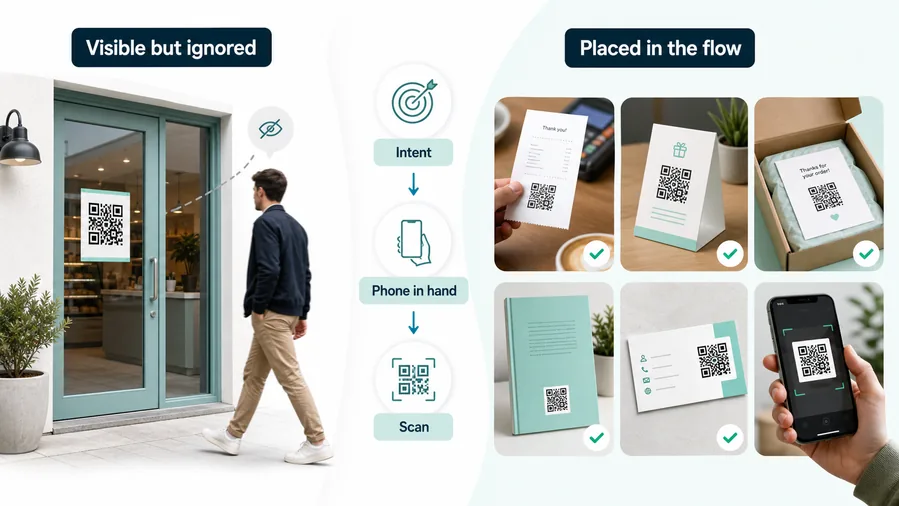
A QR code appears without ministry context
A QR on a bulletin or screen with no action label can make people hesitate, especially when giving or personal forms are involved.
The code needs a clear ministry promise before the scan.
The QR is placed beside the next step
Put giving codes near giving language, visitor cards near welcome copy, event registration on event flyers, and sermon resources beside the teaching notes.
The destination should match the exact printed promise.
What should someone do now?
Give, connect, register, volunteer, pray, watch, download, or read should be clear in the caption.
Is the information sensitive?
Prayer, care, children’s ministry, giving, and visitor details need trusted forms and privacy expectations.
Will the printed item last beyond this week?
Use dynamic destinations for signs, cards, and evergreen handouts that may outlive one service.
Can older members and guests use it easily?
Keep captions readable, provide a short fallback URL, and avoid hiding the only path behind a QR code.
Bulletin or screen
Use for sermon notes, giving, announcements, event registration, and weekly resources.
Welcome desk
Best for visitor cards, small groups, newcomer events, campus maps, and follow-up forms.
Pew or giving card
Open trusted giving, prayer requests, response cards, pastoral care, and connect forms.
Event flyer
Send people to registration, childcare notes, volunteer signup, calendar save, and event details.
Poster or event sign
Best where people pause: registration line, booth, waiting area, seat back, schedule board, or exit path. Weak when people only pass at speed.
Business card
Useful after a conversation because the person already knows why they might save a contact, open a portfolio, book a call, or follow up.
Window sign
Good for after-hours menus, booking, pickup instructions, or quick offers. Avoid complex actions when the person is outside and just walking by.
Cover or front label
Use it only when the promise is immediate and clear. Otherwise the better scan moment is often inside the material or after the first interaction.
Church QR placement should serve the ministry moment
Use the QR where people are already ready to take that step, then keep the mobile page specific and trustworthy.
Community context
Keep church QR codes clear, voluntary, and easy to use during real service moments
Use church QR codes on bulletins, pew cards, lobby signs, slides, volunteer tables, event posters, giving envelopes, prayer cards, youth ministry materials, livestream announcements, newcomer packets, and small group displays. The printed text should explain the action before the scan, especially for giving, prayer requests, volunteer forms, or family information.
Placement matters. A giving QR belongs near giving instructions, not hidden in a footer. A sermon notes QR belongs on the bulletin or slide when people are ready to follow along. An event signup QR belongs at the lobby table or poster where people are deciding whether to participate. The code should support the moment instead of interrupting it.
Use dynamic QR codes for bulletins, event pages, sermon series, seasonal campaigns, and volunteer links that may change. Scan analytics can show which cards, signs, slides, or bulletins create interest. For donations, QR Code Lab can help create and track the QR code, but the payment and donor data stay with the giving platform.
For older visitors, keep a short typed URL or staff help nearby so the QR code improves access without excluding anyone.
Giving trust
Make church giving QR codes clear, trusted, and easy to confirm
GivingA church giving QR code should identify the church, fund or campaign, payment path, receipt expectations, and support route before someone gives.
Faster Sunday giving
Members and guests can open a trusted giving page from bulletins, pew cards, screens, or welcome materials without typing a long URL.
Clear fund selection
A mobile giving page can explain general fund, missions, building campaign, benevolence, youth event, or special offering choices.
Recurring gifts and follow-up
The destination can support recurring giving, confirmation emails, receipts, donor questions, and stewardship updates.
The QR code is not the giving system
Payment confirmation, receipts, donor records, fund accounting, refunds, and tax language still belong in the church’s approved giving platform and finance process.
Scan analytics only show QR scan activity. A scan does not mean a payment was completed.Use giving QR codes where trust is already established
A giving QR should make the donation path easier while keeping the church identity, fund purpose, receipt path, and privacy expectations visible.
Church trust
Keep church QR codes safe for giving, care, and visitor follow-up
TrustChurch QR codes often touch money, personal details, children’s ministry, prayer requests, and pastoral care. The destination should be official, specific, and owned by the right ministry team.

Giving codes can be copied or replaced
Use controlled signs, approved destinations, church branding, and periodic checks for public QR placements connected to donations.
Watch for similar-looking domains, long URLs, login or verify keywords, and pages asking for credentials after an unexpected scan.
Sensitive forms need proper handling
Prayer requests, care needs, visitor details, children’s ministry information, and counseling requests should go through trusted church systems and staff workflows.
A trustworthy QR should not make the final destination mysterious, especially on posters, labels, menus, parking signs, or event materials.
Old signs can keep sending people to outdated forms
Event flyers, lobby signs, and bulletin templates may survive after a form or campaign closes. Update dynamic links or remove old materials.
Before paying, check the domain, HTTPS, amount, recipient, and whether the destination matches the place or brand that printed the QR.Review the QR destination before services or events
Scan from the final bulletin, sign, pew card, slide, or flyer and confirm the action, church name, privacy expectation, and mobile layout.
The current detailed report is a static URL analysis. It helps reveal the encoded content and basic URL risk signals, but it does not guarantee that a destination is safe and does not replace browser, antivirus, payment, or bank security checks.Decoded content
See the raw value inside the QR before opening it.
Content type
Recognize URL, Wi-Fi, mailto, phone, SMS, vCard, or plain text.
URL risk signals
Review HTTPS, shorteners, IP addresses, long URLs, encoded characters, query parameters, and sensitive keywords.
Destination report
For URL codes, view final URL fields, static redirect report fields, domain fields, TLS placeholders, page metadata fields, and risk reasons.
Give every church QR code a ministry owner
Someone should know who updates the destination, receives submissions, follows up, and retires printed materials when the ministry need changes.