X Post QR Code - Post, Campaign & Update Links Online
Create an X post QR code linking public posts, threads, announcements, campaign updates, event posts, product updates, and media posts. Share it from cards, posters, packaging, merch, and events.
Free QR code generator
Create a QR code online
Generate QR codes for websites, email, phone numbers, vCards, Wi-Fi, plain text, forms, PDF files, and campaign links. Customize colors, add a logo or frame, then download a print-ready PNG or SVG.
Choose QR code type
Website QR code, Email QR code, Phone QR code, vCard QR code, Wi-Fi QR code, Text QR code, SMS, WhatsApp, event, and download links.
Add your content
Enter your website URL, contact details, message, phone number, location, or file destination before generating the QR code.
Customize and download
Adjust QR colors, error correction, logo, frame, size, and margin. Generate QR Code, Download PNG, Download SVG, or Save and track scans.
Related QR code generators
Post and thread handoff
Use an X post QR code when print should open one public update or thread
An X post QR code can point to a public post, thread, announcement, campaign update, event post, product update, media post, journalist note, community statement, or launch message. It is useful when the printed material should send people to a specific public update instead of a broad profile or website.
This is a good fit for posters, conference handouts, press cards, product packaging, campaign flyers, retail signs, and printed announcements where the promise is narrow: read the thread, see the announcement, open the launch post, view the media update, or follow the event statement. The QR code removes the awkward step of searching for the post later.
QR Code Lab creates URL QR codes only. It does not post to social platforms, manage accounts, send messages, collect leads, change visibility settings, or operate X or Twitter. The QR code opens the link you provide, while the platform controls visibility, previews, login prompts, replies, reposts, and account behavior.
Use a post QR when the exact public update matters. Use a profile, website, or landing page when the printed material needs a longer-lasting destination that will still make sense after the post is old.
X post workflow
Use an X post QR when the scan should open one specific public update
Post linkAn X post QR is for a concrete post: announcement, launch note, event update, social proof, thread starter, public statement, giveaway, policy note, or campaign message that should be easy to reach from print.
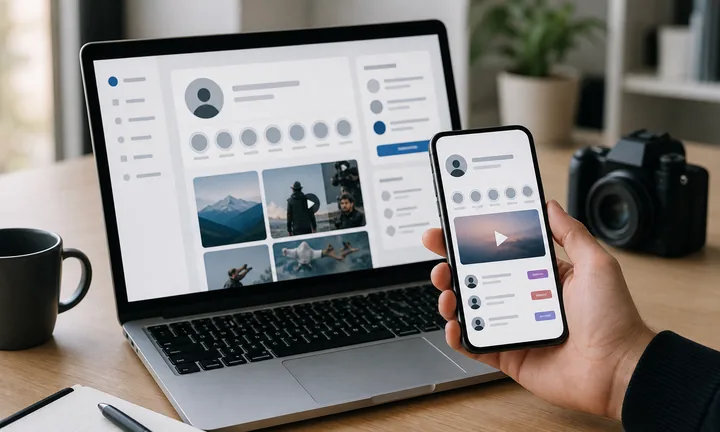
Send scanners to the exact post, not a busy profile
Use the QR on flyers, posters, packaging, handouts, receipts, event signs, press materials, or product cards when the printed promise depends on one post people should read, share, reply to, or verify.
A profile QR is for browsing; a post QR is for one public message.
Make the printed CTA explain why the post matters
A standalone QR and an X logo are not enough. Say whether the post contains a launch update, contest rules, public proof, thread, event notice, support note, media statement, or time-sensitive announcement.
The scan should feel like opening the promised source, not hunting through a feed.
Plan a fallback if the post becomes outdated
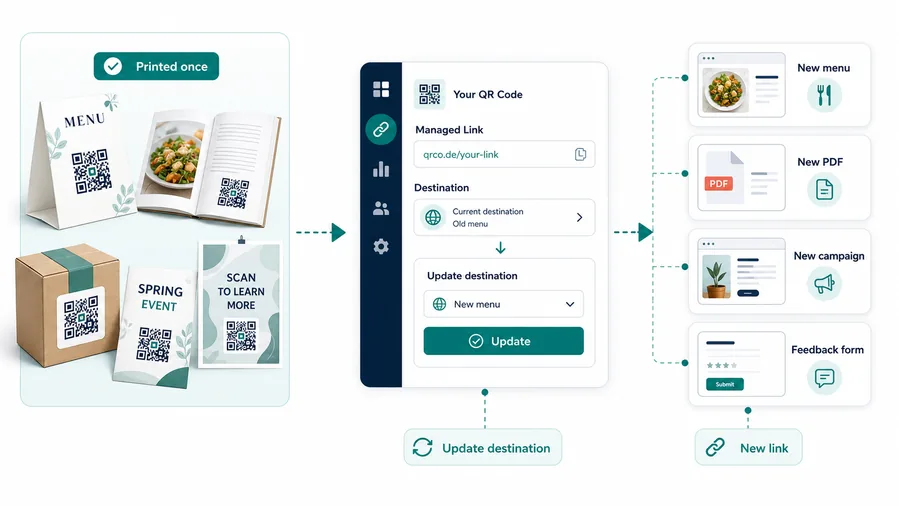
Posts can be deleted, edited through follow-up replies, buried by newer updates, or made less useful after a campaign ends. Dynamic QR lets printed material move to a thread, landing page, profile, recap, or updated post later.
That matters for print that stays visible after the social moment passes.An X post QR should behave like a source citation with a clear next step
The scanner should understand which public message they are opening and what to do with it: read the update, check rules, join a conversation, verify a claim, follow a thread, or share the announcement.
Use post QR for a specific message; use profile QR for ongoing social presence.Announcement
Point launch cards, posters, or PR material to the post that contains the official update.
Thread or explanation
Use when print needs a short path to a longer public thread, changelog, policy note, or context post.
Event update
Route venue signs, badges, and handouts to a schedule change, livestream notice, speaker update, or recap post.
Proof and social context
Use for testimonials, public reactions, creator posts, press mentions, contest rules, or campaign conversation.
Post scan experience
Make the post context clear before scanners land in the feed
Scan UXAn X post QR should not feel like a random social jump. The printed CTA and first screen should confirm the account, topic, and reason the specific post matters.
Direct action: the device handles it
Wi-Fi, vCard, phone, email, SMS, plain URLWhen the QR code contains direct data, the phone decides what to show. It may open the native Wi-Fi join prompt, contact-save screen, email client, phone dialer, SMS composer, browser, or another app chosen by the user.
There is not much QR Code Lab can improve inside that native interface. Compatibility depends on the scanner app, camera, operating system, browser, and user settings. Your responsibility is to encode clean data: correct Wi-Fi credentials, a valid email, a tidy vCard, a working URL, and a clear printed caption near the code.
Tracked QR: your destination carries the experience
Dynamic URL, tracked campaign, external page, PDF, formWhen a dynamic QR code redirects to your website, form, shop page, PDF, booking page, or campaign, QR Code Lab can manage the link, keep it editable, and record scan analytics. But the page people land on is still your experience.
That destination should be fast, mobile-friendly, and honest about the promise printed near the QR code. The main CTA should be visible without hunting, forms should be short, files should open cleanly on phones, and the content should not feel like a desktop page squeezed onto a small screen.
Microlanding: QR Code Lab shapes the experience
Hosted page, buttons, image, files, contact, feedbackA QR Code Lab microlanding page is useful when you do not have a good mobile destination or when one scan should offer several actions. Instead of sending people to a heavy page, you can present a clean mobile-first page with clear buttons, files, images, links, and contact actions.
This is where QR Code Lab can do the most for scan experience. The content is organized for phones, buttons are easy to tap, PDF or ZIP downloads can be presented clearly, and the page can be updated after printing. It works well for books, packaging, menus, events, instructions, bonus materials, and feedback flows.
What appears in the first 3 seconds?
The scanner should immediately understand where they landed and why it matches the promise beside the QR code.
Is the next action obvious on a phone?
The main button, file, form, contact action, or download should be visible and easy to tap without zooming or searching.
Does the destination match the scan context?
A QR on a package, book page, receipt, poster, or table tent should open the resource that makes sense in that exact moment.
A post QR should open the promised public message cleanly
The scanner should know the account, topic, and expected action before the social interface takes over.
Post placement
Place X post QR codes where the printed material needs a public source
PlacementUse post QR codes where print points to one public update: launch cards, event signs, packaging, receipts, conference handouts, PR sheets, classroom notes, store posters, or campaign flyers.
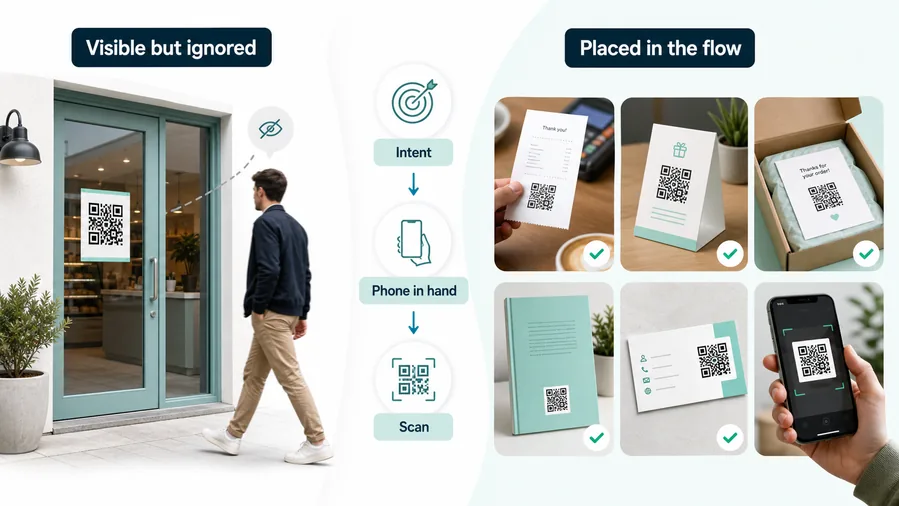
A social logo alone does not explain the promise
People may scan less when they cannot tell whether the code opens a profile, post, contest, rules page, or support update.
A specific post QR needs surrounding copy that explains the public message.
The QR sits beside the claim it proves or expands
Put the code next to the launch note, event update, rule, proof point, or public statement.
The scanner should know exactly why this post is worth opening.
What claim needs the post?
Use the QR beside the statement, offer, rule, update, proof point, or announcement the post supports.
Will scanners know the account?
Print the handle or brand name near the QR so the destination feels expected when the app opens.
Is the post still the best source later?
Use dynamic QR when the public message may need a follow-up, correction, recap, or landing page.
Can the person scan in context?
Posters and event signs need larger codes; packaging, cards, and receipts need short CTAs and clean quiet zones.
Launch flyer
Open the official announcement post, product thread, update, or offer tied to the printed campaign.
Event sign
Send attendees to schedule changes, livestream links, speaker updates, recap posts, or venue announcements.
Packaging or insert
Point buyers to a public product note, creator post, care update, contest rule, or campaign story.
Press or PR sheet
Use the QR as a quick source for public statements, media posts, launch threads, or social proof.
Receipt or counter card
Use for giveaway rules, community posts, review prompts, updates, or timely local announcements.
Poster or handout
Give offline audiences a direct path to the specific message rather than asking them to search a feed.
Window sign
Good for after-hours menus, booking, pickup instructions, or quick offers. Avoid complex actions when the person is outside and just walking by.
Cover or front label
Use it only when the promise is immediate and clear. Otherwise the better scan moment is often inside the material or after the first interaction.
A post QR belongs beside a message, not as decoration
Use it where the printed material needs one public source that scanners can open, read, and act on immediately.
Public update context
Make the QR code explain why this post is worth opening now
A post QR code needs a clear reason to exist. A small label like scan for details is weaker than read the full thread, see the product update, open the event announcement, view the source post, or follow the campaign update. The printed copy should tell the scanner what they will learn and why it matters at that moment.
Good placements include event signage, conference handouts, press cards, product packaging, campaign flyers, posters, community boards, retail displays, lecture slides, and printed statements. Put the code where people are already thinking about the topic. A QR beside a quote, announcement, product note, or schedule change can feel useful; a QR floating alone often feels like extra work.
Use dynamic QR for print because social posts can be deleted, restricted, replaced, or followed by a better update. You can redirect the same printed code to a newer post, a thread summary, a campaign page, or a landing page. Scan analytics can then show which offline placements actually moved people from print to the post.
Post fallback control
Keep printed X post QR codes useful after the social moment changes
DynamicA specific post may be perfect today and stale next month. Dynamic QR lets printed material keep working when the best destination becomes a thread, follow-up post, landing page, profile, recap, or corrected announcement.
A fixed post link can age faster than the printed material
A post can be deleted, lose context, get replaced by a follow-up, or stop matching the printed campaign.
That is risky for posters, packaging, event handouts, cards, and public notices that remain in circulation.
The same printed QR can follow the public message
Start with the exact post, then route to a thread, correction, recap, profile, or landing page when the campaign changes.
This keeps the printed CTA honest without reprinting every asset.
Launch announcement
Move from the original post to an updated offer, thread, product page, or recap after the launch window.
Event notice
Route from a schedule post to live updates, final details, photos, or the next event page.
Contest or giveaway
After entry closes, redirect to winner announcement, rules archive, or current campaign page.
Public statement
Send old printed references to the corrected, expanded, or official source when the conversation changes.
Use dynamic when the printed post QR must survive updates
If the post is part of a campaign, event, launch, contest, or public notice, keep a clean fallback path ready.